Worldwide tracked delivery · Carefully selected quality · Personal order support

Travel Totes And Hardworking Hermes Bag Leathers: Which Hermes Leathers Hold Up Best to Weight, Friction, and Travel
Jan 6, 2026
By
Sophia Whitmore
0 comment(s)
Why Leather Choice Matters More for Travel and Totes
Hermes is often discussed in terms of craftsmanship, heritage, and resale value. All of that matters, but when you move into travel bags and large totes, leather choice becomes a practical decision as much as an aesthetic one. These bags are not carried lightly. They are loaded with laptops, shoes, toiletries, chargers, books, and sometimes far more than intended. They slide under airplane seats, rest on airport floors, rub against coat zippers, and face changing temperatures and humidity.
A leather that looks beautiful on a small top handle bag may not perform the same way on a fully packed travel tote. Weight stresses the base. Friction hits corners first. Climate affects how the leather feels and ages. Choosing the right Hermes leather for a travel bag or tote can mean the difference between a piece that grows better with use and one that constantly needs babying.
This article focuses on Hermes bag leathers that are well suited for larger formats. The goal is not to rank what is rarest or most collectible, but what actually holds up when used the way travel and tote bags are meant to be used.
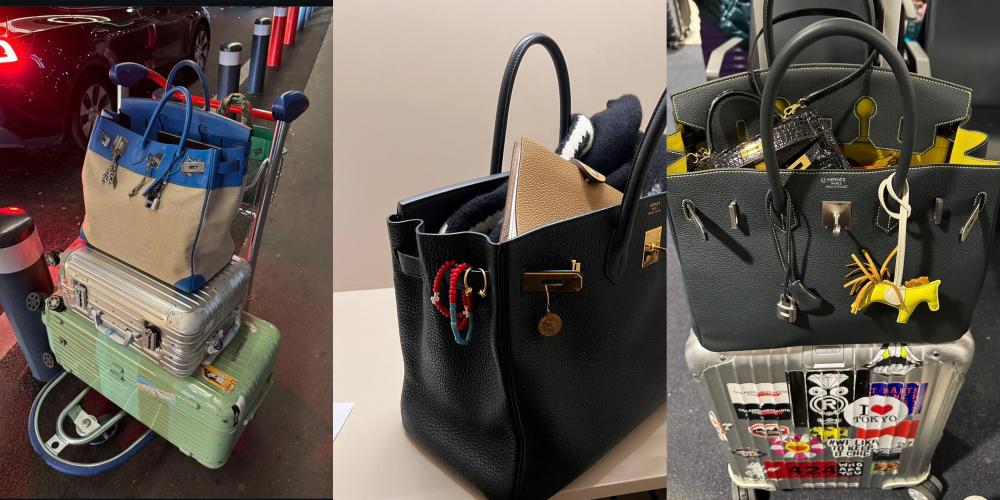
What Travel and Tote Bags Demand From Leather
Before getting into specific Hermes leathers, it helps to be clear about what these bags put leather through.
First is weight. A travel bag or large tote often carries several kilograms at a time. Soft leathers can stretch, especially at handles and bases, if they are not structurally supportive.
Second is friction. Corners brush against walls, seats, and other bags. Bases get set down repeatedly. Smooth finishes show wear faster in these areas.
Third is handling frequency. A tote is opened and closed dozens of times a day. Oils from hands, denim transfer, and everyday contact all add up.
Finally, there is climate. Travel bags move through airports, cars, hotels, and outdoor spaces. Dry air, humidity, heat, and cold all affect leather differently.
The most durable Hermes bag leather for travel is not necessarily the thickest, but the one that balances structure, surface resilience, and long term aging.
Clemence Leather: Heavy Duty With a Soft Look
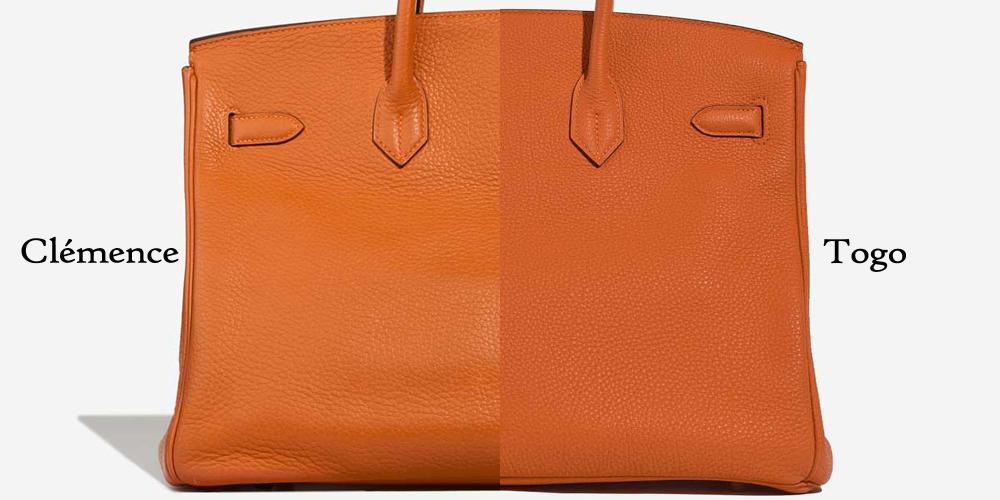
Clemence is one of the most popular Hermes leathers for larger bags, and for good reason. It is made from bull calf leather, which gives it a naturally thicker and heavier feel. The grain is pronounced and matte, which helps disguise scratches and scuffs that come with travel.
For totes and travel bags, Clemence offers weight-bearing strength. The leather can handle being loaded without feeling fragile. Corners tend to soften rather than chip, which many owners prefer as it creates a relaxed, lived-in look.
That said, Clemence does have weight of its own. On a large travel bag, this can add noticeable heft. Over time, the leather can also relax and slouch, especially if the bag is not stored properly. Some travelers love this casual evolution. Others prefer a more structured silhouette.
Clemence performs well in varied climates and is forgiving of minor marks. For someone who wants a durable Hermes tote leather that does not show every moment of use, Clemence is a strong contender.
Togo Leather: Structured, Resilient, and Reliable
Togo is often discussed in the context of Birkin and Kelly bags, but it is also a practical option for larger formats. It is made from calfskin and is known for its pebbled texture and lighter weight compared to Clemence.
What makes Togo appealing for travel and tote bags is its balance. It holds structure better than Clemence while still offering surface durability. The grain helps conceal scratches, and the leather resists stretching at stress points like handles and bases.
Togo also handles climate changes well. It does not become overly stiff in cooler temperatures and does not feel overly delicate in heat. For commuters who use a Hermes tote daily and travel frequently, this consistency matters.
Visually, Togo tends to maintain a polished look longer. It does not slouch as quickly, which can be a plus for those who want their bag to look crisp even after years of use. For a durable Hermes travel bag leather that still reads refined, Togo is often a safe and versatile choice.
For a deeper look at how structure affects aging, see this discussion on stress and wear in Hermes bags on the replicax.net blog.
Epsom Leather: Lightweight and Scratch Resistant
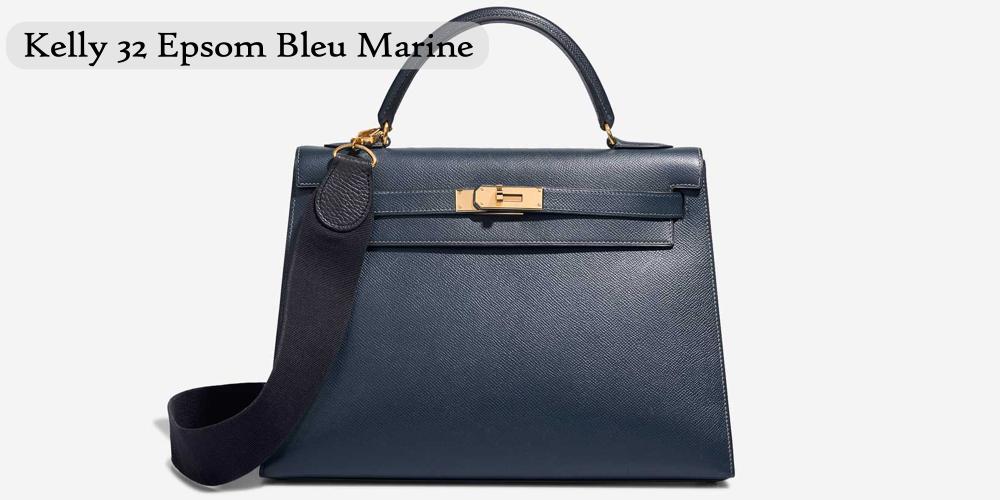
Epsom is a stamped leather, meaning the grain is embossed rather than natural. This gives it a very structured appearance and excellent scratch resistance. It is also lighter than many other Hermes leathers, which can be appealing for travel.
For totes and travel bags, Epsom’s biggest strength is its surface durability. Scratches are less visible, and the leather does not absorb oils easily. It holds its shape extremely well, even when packed.
However, Epsom behaves differently at corners and edges. Because it is stiffer, heavy impact or repeated friction can lead to edge wear that appears sharper rather than softened. It does not relax over time the way Clemence or Togo does.
Epsom also feels firmer to the touch, which some people find less comfortable for a bag carried all day. For travelers who value structure, lightness, and easy care over softness, Epsom can work well, especially in tote styles with reinforced corners and bases.
Fjord Leather: Often Overlooked but Extremely Durable
Fjord is sometimes overshadowed by more common Hermes leathers, but it deserves attention for travel use. It is a natural calf leather with a deep, visible grain and a slightly waxy feel.
This leather is known for its resistance to moisture and scratches. It handles humidity better than many smoother leathers and is less likely to show water marks. For travelers moving between climates, this is a major advantage.
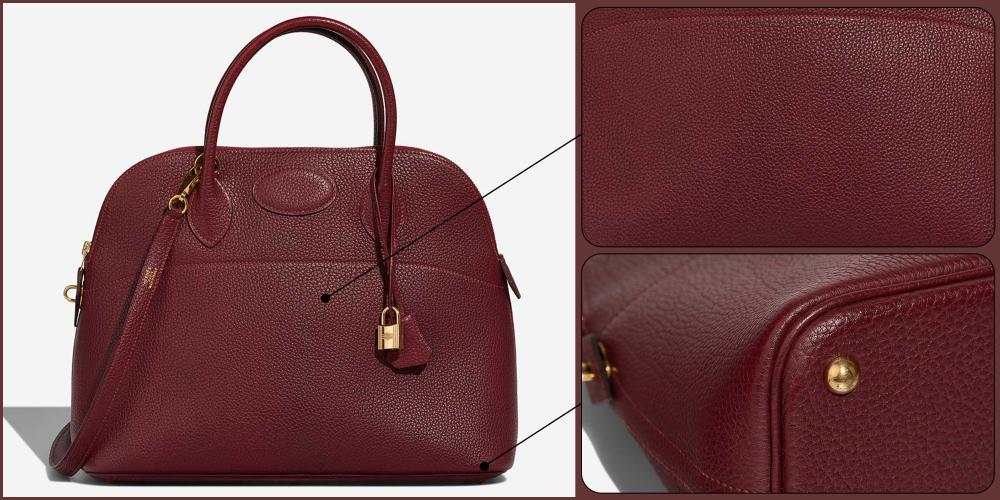
Fjord has substance without being overly heavy. It maintains structure while still feeling pliable. Over time, it develops character rather than obvious wear. Corners tend to age gracefully, and the grain hides minor abrasions.
For those seeking a durable Hermes tote leather that feels robust and understated, Fjord is an excellent option, even if it is less commonly discussed. Additional insights on long term leather aging can be found in this replicax.net blog guide.
Evergrain and Evercalf: Refined but Riskier for Travel
Evergrain and Evercalf are softer, smoother leathers with a subtle sheen. They feel luxurious and look elegant, which makes them appealing at first glance.
However, for travel bags and heavily used totes, they require more caution. These leathers are more prone to visible scratches and pressure marks. They can also show wear more quickly at corners and bases.
That does not mean they cannot be used for travel, but they are better suited to lighter loads and careful handling. For someone who wants a travel tote that transitions easily into meetings or dinners and is not overloaded, these leathers can work. For rougher use, they may lead to frustration.
Chamonix and Box Calf: Beautiful but High Maintenance
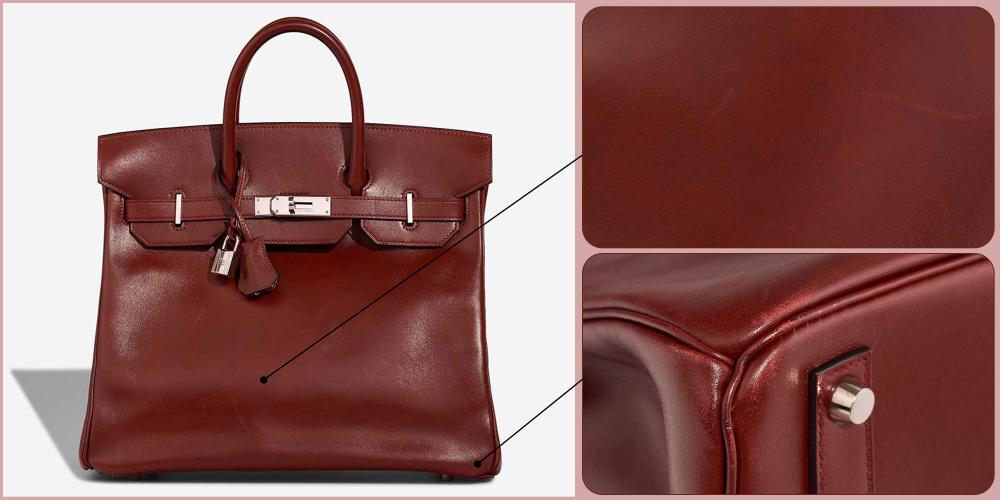
Box calf and Chamonix leathers are iconic within Hermes, known for their smooth finish and classic appearance. They age beautifully when cared for, developing a rich patina over time.
For travel and tote bags, though, they are demanding. Scratches show easily. Water marks are a risk. Frequent contact and friction can quickly change the look of the bag.
Some experienced collectors choose these leathers intentionally, accepting the wear as part of the story. For most people seeking a durable Hermes travel bag leather, these are better reserved for smaller, less heavily used pieces.
How Corners, Bases, and Handles Age by Leather Type
When evaluating durability, it helps to focus on how different leathers age in the same high stress areas.
Corners on Clemence and Fjord tend to soften and darken slightly. This reads as wear but not damage. On Togo, corners remain more defined, with minor smoothing over time. On Epsom, corners stay sharp but can show edge wear if repeatedly knocked.
Bases stretch more on softer leathers. Clemence bases may dip slightly with heavy loads. Togo and Epsom hold their shape better, especially with feet or reinforced panels.
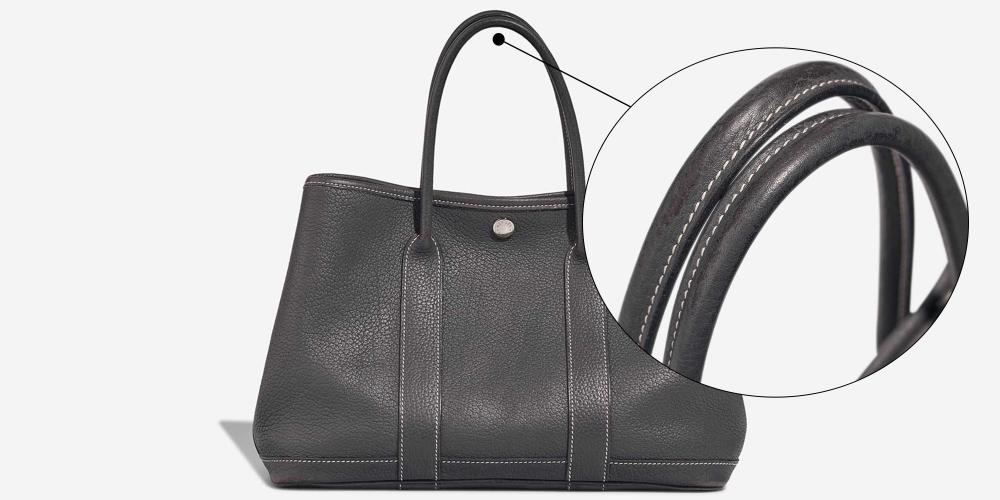
Handles experience the most contact. Natural grain leathers absorb oils and develop a darker tone. This is often seen as character, but it is worth considering if color consistency matters to you.
Choosing Based on Travel Style
The best Hermes tote leather depends on how you actually travel.
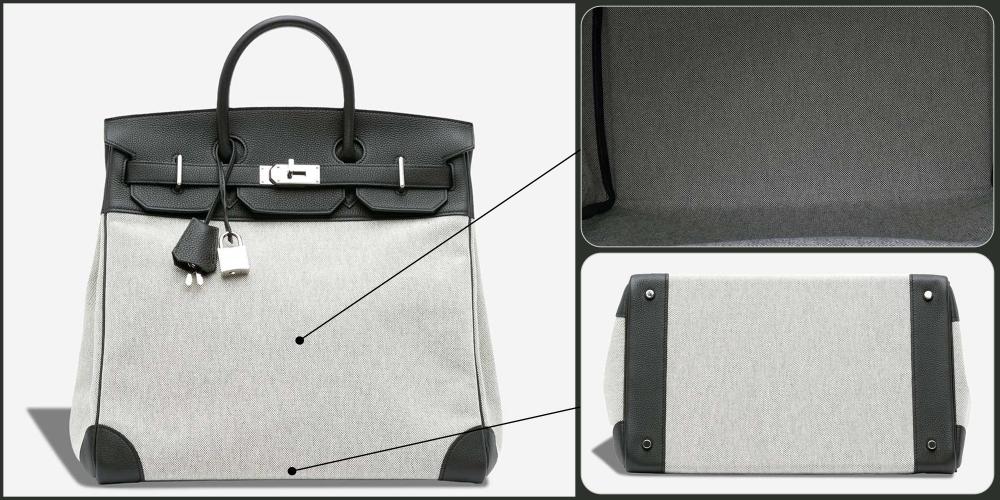
If you move often, pack heavily, and want a relaxed look, Clemence or Fjord makes sense. If you commute daily, carry electronics, and want your bag to stay structured, Togo or Epsom may be better. If you travel lightly and value elegance over toughness, softer leathers can still work with care.
Think about where your bag will be placed, how full it will be, and whether you enjoy visible signs of wear or prefer a cleaner look.
Long Term Aging and Satisfaction
Durability is not just about resisting wear. It is also about how that wear feels to live with over time.
Some Hermes leathers tell their story openly. Others try to stay unchanged. Neither approach is right or wrong, but mismatching leather to lifestyle often leads to regret.
A well chosen Hermes travel bag leather should feel less stressful to use, not more. When you stop worrying about every surface and focus on the journey, the bag is doing its job.
Final Thoughts on Hardworking Hermes Leathers
Hermes offers a wide range of leathers, but not all of them are equally suited to travel and tote bags. Clemence, Togo, Fjord, and Epsom consistently stand out for their ability to handle weight, friction, and climate changes.
Choosing among them comes down to your preference for structure, softness, and how you want your bag to age. A durable Hermes tote leather is not about perfection. It is about resilience, comfort, and confidence in use.
When matched thoughtfully, these leathers allow Hermes travel bags and totes to be what they are meant to be. Functional companions that still carry unmistakable craftsmanship and character.