Worldwide tracked delivery · Carefully selected quality · Personal order support

Daily Hermes Bag Leather Care That Actually Helps: A Simple Routine for Real-World Use
Jan 14, 2026
By
Sophia Whitmore
0 comment(s)
Introduction
Hermès bags are designed to be used, not sealed away. The leathers are tanned, finished, and constructed to age gradually with handling. Yet much of the advice around Hermès leather care is either overly cautious or unnecessarily aggressive. Owners are told to condition constantly, avoid touch, or clean so often that the leather never rests. Daily care should be quiet, minimal, and realistic. The goal is not preservation in a museum sense, but balance: keeping the leather clean, supported, and allowed to develop its natural character over time.
This guide cuts through noise and focuses on what actually helps Hermès bag leather on a daily and weekly basis. It is written for real use: commuting, travel, dining, seasonal weather changes, and rotation with other bags. Rather than a long list of products, it emphasizes habits, timing, and restraint.
Understanding What Hermès Leather Needs
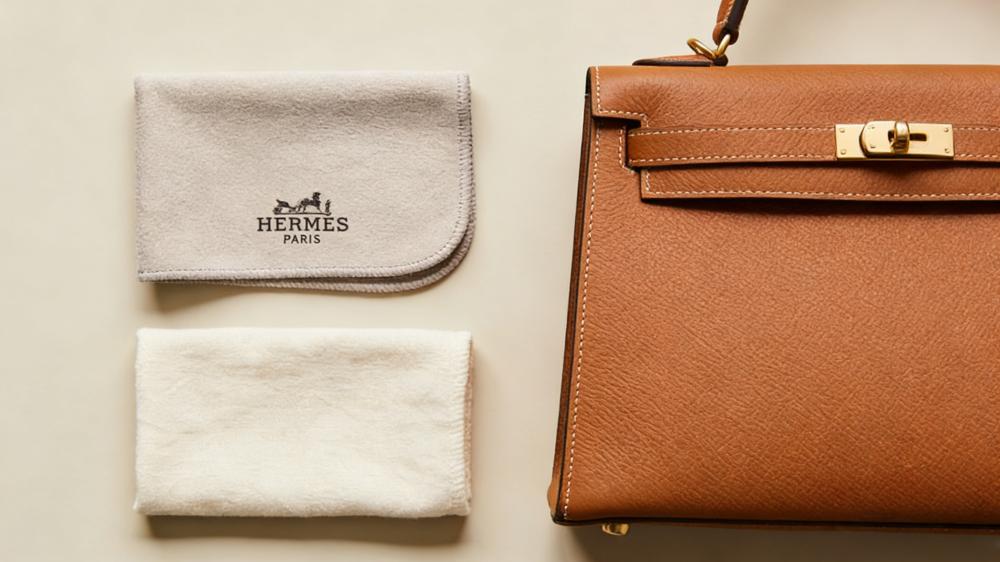
Before any routine makes sense, it helps to understand what Hermès leathers are already designed to handle. Most Hermès bag leathers are chrome tanned or combination tanned, finished with light protective coatings, and dyed through. This means they already resist everyday moisture, light contact oils, and moderate friction.
Leather does not need constant feeding. Over-conditioning can soften structure, attract dust, and darken areas unevenly. Likewise, frequent wet cleaning can disturb surface finishes. Daily care is largely preventative, not corrective. The best routines work with the leather’s existing resilience rather than fighting imagined fragility.
Daily Care Principles That Matter
Daily Hermès leather care is more about awareness than action. The following principles guide everything else in this routine.
First, clean hands matter more than any wipe. Natural skin oils transfer slowly, but lotions, sanitizer residue, and fragrance accelerate darkening and shine. Let hands dry fully before handling a bag.
Second, friction management is key. Repeated rubbing against denim seams, jewelry, or rough coats does more long-term damage than brief contact with rain. Being mindful of how the bag is carried reduces wear without adding steps.
Third, rest is care. Leather needs time to release absorbed moisture and oils. Rotating bags such as a Hermès Birkin or Hermès Kelly and avoiding stuffing them immediately after use allows the fibers to settle.
These principles cost nothing and quietly support leather health every day.
The Only Daily Step You Actually Need
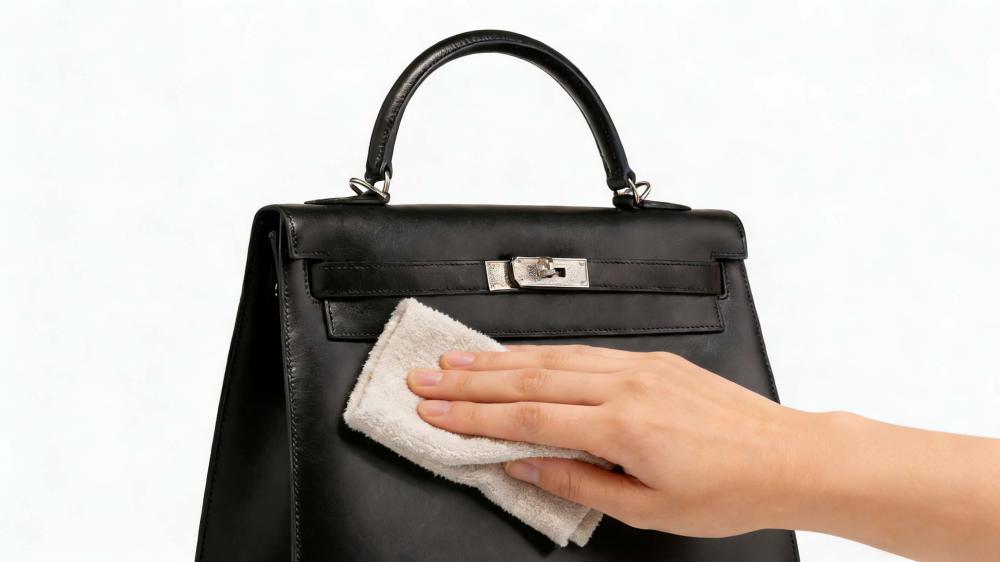
For most Hermès bags, the only daily care step that truly helps is a gentle dry wipe when the bag comes home.
Use a clean, soft microfiber or untreated cotton cloth. The purpose is not to polish, but to remove surface dust, light debris, and airborne particles that accumulate during the day. Focus on areas that receive contact: handles, top edges, flaps, and corners.
Avoid pressure. Let the cloth glide lightly over the surface. This prevents micro-abrasions and keeps finishes intact. Do not use water, sprays, or cleaners as part of daily care unless something specific has spilled.
This step takes less than a minute and reduces the need for deeper cleaning later.
What Not to Do Daily
Daily routines often fail because they include too much. The following actions cause more harm than benefit when done frequently.
Do not condition daily. Leather conditioners are meant for occasional support, not constant use. Overuse leads to limp handles, sticky surfaces, and uneven color.
Do not wipe with damp cloths unless necessary. Moisture, even clean water, temporarily opens the leather surface and increases absorption of oils and dirt.
Do not use wipes designed for furniture, shoes, or cars. These often contain silicones or solvents that alter Hermès finishes.
Do not chase shine. Hermès leather is not meant to look glossy from treatment. Natural luster develops slowly through handling.
Weekly Care That Supports Longevity
Weekly care builds on daily habits without overwhelming the leather. Once a week, set aside five to ten minutes to check and lightly refresh the bag.
Start by emptying the bag completely. Remove inserts, pouches, and contents. Turn the bag upside down gently to release interior debris. For lined interiors, a soft brush or dry cloth works better than adhesive rollers.
Next, inspect the exterior under natural light. Look for early signs of friction, small marks, or changes in texture. Early awareness prevents overreaction later.
If the bag has accumulated noticeable dust or has been exposed to urban pollution, a slightly more thorough dry wipe is sufficient. Again, avoid moisture unless required.
When and How to Use a Damp Cloth
A damp cloth is not part of a daily or weekly routine, but it is sometimes necessary. If a bag has visible residue, makeup transfer, or light surface dirt, controlled moisture can help.
Use distilled water if possible. Lightly dampen a clean cloth so it feels cool, not wet. Test on an inconspicuous area first. Gently wipe the affected area without scrubbing. Follow immediately with a dry cloth to remove remaining moisture.
Allow the bag to air dry away from heat and sunlight. Never speed-dry with hair dryers or radiators.
This step should happen only when something specific needs removal, not on a schedule.

Handle Care: The Most Touched Area
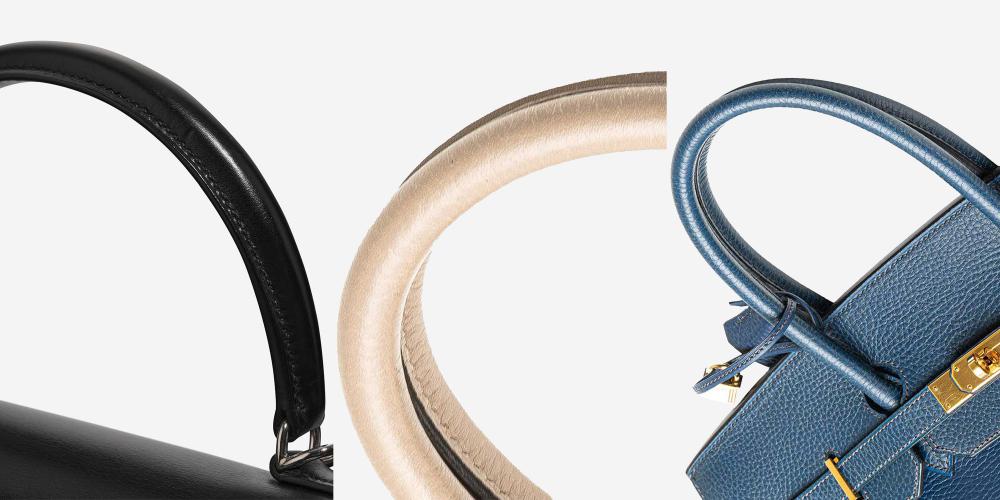
Handles deserve special attention because they receive the most contact. Weekly, take a moment to wipe handles with a dry cloth, paying attention to undersides where oils accumulate.
If handles are becoming darker, resist the urge to strip or aggressively clean. Darkening from use is expected and often stabilizes over time. Frequent interventions usually worsen contrast rather than reversing it.
For bags with detachable straps, rotate usage when possible. This distributes wear and extends the life of high-contact areas.
Corner and Base Awareness
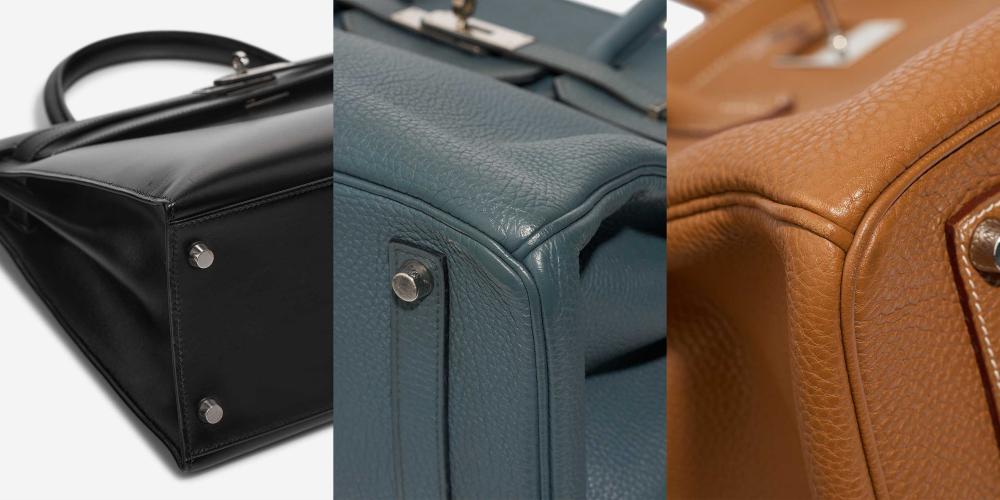
Corners and bases experience friction from resting surfaces and movement. Weekly inspection helps catch early wear.
If dust builds up at corners, use a soft brush rather than rubbing with cloth. This lifts particles without abrading edges.
Avoid placing bags on rough floors or outdoor surfaces whenever possible. A bag hook or chair back reduces unnecessary base wear.
Storage Between Uses
How a Hermès bag rests between outings affects its condition as much as active use.
After use, let the bag sit empty or lightly stuffed for a short period before storing. This allows moisture from hands and environment to dissipate.
Use soft, non-abrasive stuffing such as acid-free tissue or clean cotton. Avoid over-stuffing, which stresses seams and alters shape.
Store bags in breathable dust bags, not plastic. Keep them upright if the structure allows, and avoid stacking heavy items on top.

Seasonal Adjustments
Daily and weekly routines should adjust slightly with the seasons.
In humid climates or summer months, focus on drying and rest. Avoid enclosed storage immediately after use. Rotate bags more frequently.
In dry or cold seasons, resist over-conditioning. Leather does not dry out overnight. Most Hermès leathers maintain moisture well with minimal support.
Rain exposure does not require panic. If caught in rain, blot gently with a dry cloth and let the bag air dry naturally. Do not apply heat or products afterward.

Product Use: Less Is More
Many owners accumulate shelves of products, but Hermès leather thrives on restraint.
A single high-quality neutral leather conditioner, used once or twice a year at most, is sufficient for most bags. Apply sparingly, evenly, and infrequently.
Avoid color-enhancing creams unless addressing a specific issue under professional guidance.
Waterproofing sprays are generally unnecessary and can alter texture and color. Hermès finishes already provide reasonable protection.
Travel Considerations
When traveling, daily care becomes even simpler. Focus on protection rather than cleaning.
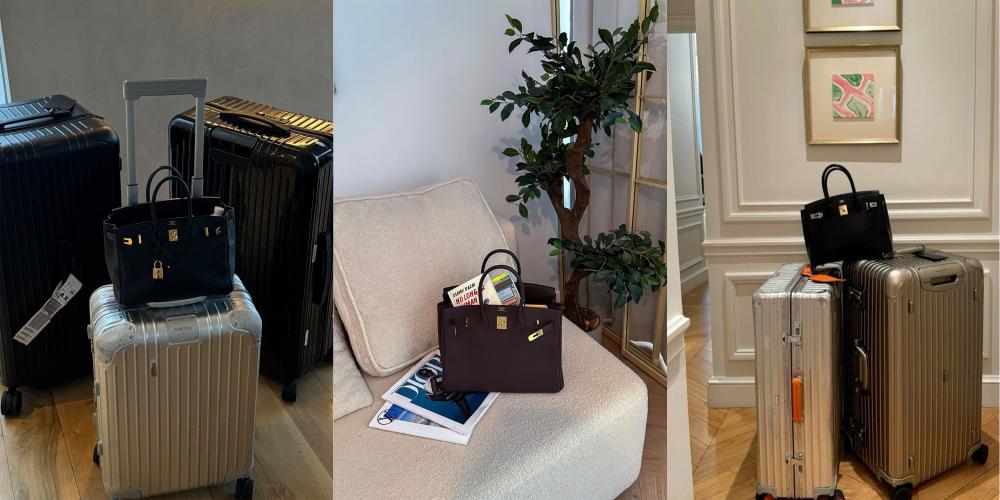
Use bag organizers to reduce interior abrasion. Keep bags away from overhead bins with sharp edges. Avoid placing them on the floor in airports or restaurants.
At the end of each travel day, a quick dry wipe removes accumulated dust and keeps leather calm.
Signs You Are Over Treating Your Bag
Knowing when to stop is as important as knowing what to do.
Warning signs include sticky surfaces, excessive shine, limp handles, dark patches that spread unevenly, and increased dust attraction. These often indicate product buildup rather than neglect.
If over-treatment occurs, pause all products and return to dry wiping only. Leather often stabilizes on its own with time.
Why Simplicity Works
Hermès leather care routines succeed when they respect the material’s design. The leathers are meant to age gradually, not remain frozen. Daily care supports this by reducing unnecessary stress and allowing natural patina to develop evenly.
Complex routines create anxiety and inconsistency. Simple habits encourage regular use and confidence, which ultimately results in better-looking bags.
Leather Differences and Daily Care Adjustments
Not all Hermès leathers respond identically to the same habits. Understanding general behavior helps fine-tune daily care without complicating it.
Grained leathers such as Togo, Clemence, and Epsom are more forgiving. Daily dry wiping is usually sufficient, and they show less immediate marking from touch. Clemence benefits most from rest due to its weight and oil absorption.
Smooth leathers such as Box, Swift, and Barenia show contact more readily. For these, awareness matters more than cleaning. Gentle wiping and careful storage reduce surface marks without stripping natural oils.
Exotic leathers require a lighter touch. Daily care should be limited to dust removal only, with no moisture or products unless professionally advised.
If you want to know more about Hermès fashion, you can visit our Hermès blog.
Interior Care Often Overlooked
While exterior leather gets attention, interiors influence longevity as well.
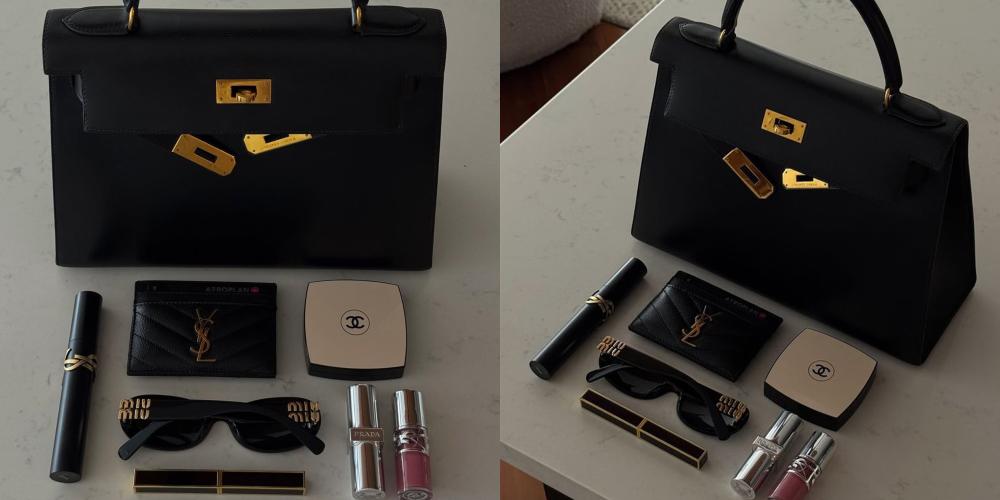
Avoid storing pens, cosmetics, or liquids without protection. Ink and oil stains are far more difficult to address than exterior marks.
Weekly, turn the bag out gently if construction allows and remove crumbs or grit. These particles create internal abrasion over time.
If lining leather develops odor, allow extended airing rather than masking with sprays.
Mindset Shifts That Improve Care
One of the most effective forms of care is mental.
Accepting that Hermès bags will change reduces over-handling. Minor marks, softening, and darkening are signs of use, not failure.
Viewing care as support rather than correction leads to gentler routines. The goal is consistency, not perfection.
This mindset prevents panic reactions that cause the most damage.
Long-Term Results of a Minimal Routine
Owners who follow simple daily and weekly care often notice more even patina, fewer structural issues, and greater confidence using their bags.
Leather remains resilient because it is not constantly disturbed. Shape holds because stuffing and storage are balanced. Surfaces feel natural rather than coated.
Over years, this approach produces bags that look authentically well-loved rather than artificially preserved.
Common Myths About Daily Leather Care
Many routines are built on myths rather than material reality.
One myth is that leather dries out constantly. In normal conditions, Hermès leather retains moisture well. Over-conditioning does more harm than skipping care.
Another myth is that rain ruins leather. Light rain, properly dried, rarely causes damage. Panic cleaning causes more issues than water itself.
A final myth is that frequent polishing equals good care. Polishing changes surface balance and accelerates wear when done excessively.
Understanding these myths reduces unnecessary interventions.
Building a Routine That Fits Real Life
The best routine is the one you actually follow.
Attach daily wiping to an existing habit, such as unpacking at night. Make weekly checks part of wardrobe organization.
Avoid routines that require special timing or tools. If care feels burdensome, it will become inconsistent.
Hermès leather responds best to calm, repeatable actions rather than elaborate schedules.
Environmental Awareness
Environmental factors influence leather more than most products.
Avoid prolonged exposure to direct sunlight, which fades dye over time. Indoor lighting poses little risk.
Maintain moderate indoor humidity when possible. Extremely dry air can stiffen leather temporarily, while excessive humidity encourages odor.
Simple awareness of environment often replaces active intervention.
When Professional Help Is Appropriate
Despite good care, accidents happen.
Ink stains, deep oil saturation, and structural damage should be handled by professionals familiar with luxury leather.
Attempting aggressive DIY fixes often worsens damage and limits professional options later.
Knowing when to stop and seek help is part of responsible care.
Aging With Intention
Ultimately, Hermès bags tell a story through wear.
Daily and weekly care should support that story, not erase it. Even patina, softened handles, and subtle marks reflect a life well lived with the bag.
Intentional care allows aging to happen gracefully, without neglect or obsession.
Closing Reflection
Caring for Hermès leather is less about products and more about respect for the material.
When routines are simple, leather remains balanced. When care fits naturally into daily life, bags stay beautiful without effort.
This is what truly helps Hermès bag leather over time.