Worldwide tracked delivery · Carefully selected quality · Personal order support

Rain Days And Your Hermes Bag: What Really Happens To Different Hermes Leathers In Rain And Damp Weather
Jan 11, 2026
By
Sophia Whitmore
0 comment(s)
Introduction: Rain Happens, Even to Luxury Bags
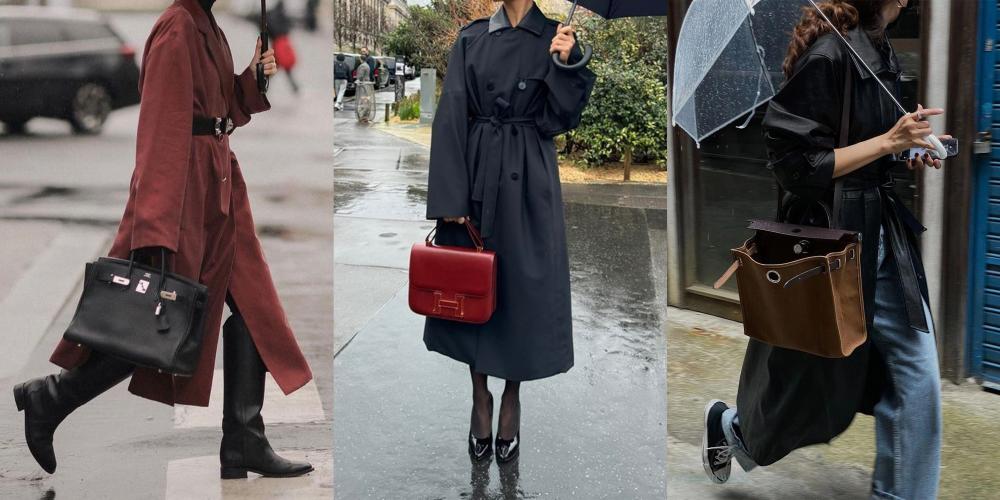
If you carry your Hermes bag regularly, it will eventually face a rainy day. Not a dramatic storm, necessarily. Sometimes it is light drizzle on the way to lunch. Sometimes it is a sudden downpour when you thought the forecast was safe. Either way, the moment you notice raindrops on your bag, the worry tends to hit fast.
Luxury leather feels precious, and Hermes bags in particular carry both emotional and financial weight. Many owners immediately imagine permanent stains, ruined leather, or expensive repairs. In reality, rain exposure is far more common than most people admit, and Hermes designs its leathers to survive normal life.
Understanding what actually happens when rain meets a Hermes bag helps replace panic with confidence. This article breaks down how different Hermes leathers react to moisture, why water spots form, and what calm, effective care looks like after contact. With the right approach, rain becomes a manageable inconvenience rather than a disaster.
Why Leather Reacts to Rain in the First Place
To understand rain damage fears, it helps to start with the nature of leather itself. Leather is skin. Even after tanning, dyeing, and finishing, it remains a natural material with fibers that can absorb and release moisture.
When rain hits leather, one of two things usually happens. The water either sits on the surface for a short time or begins to absorb into the fibers. Which reaction occurs depends on the leather’s grain, finish, and treatment.
Problems arise not from water alone, but from uneven absorption and uneven drying. If one area absorbs moisture while another stays dry, the difference can create visible marks. Minerals in tap water or rainwater can also interact with the leather’s natural oils, leading to temporary or lasting discoloration.
Hermes leathers vary widely in how they are processed. Some are coated and structured. Others are soft, porous, and minimally treated. Knowing where your bag falls on that spectrum makes a significant difference in how you approach rainy weather care, a topic explained in more depth in this replicax.net leather care guide.
Togo Leather and Rain Exposure
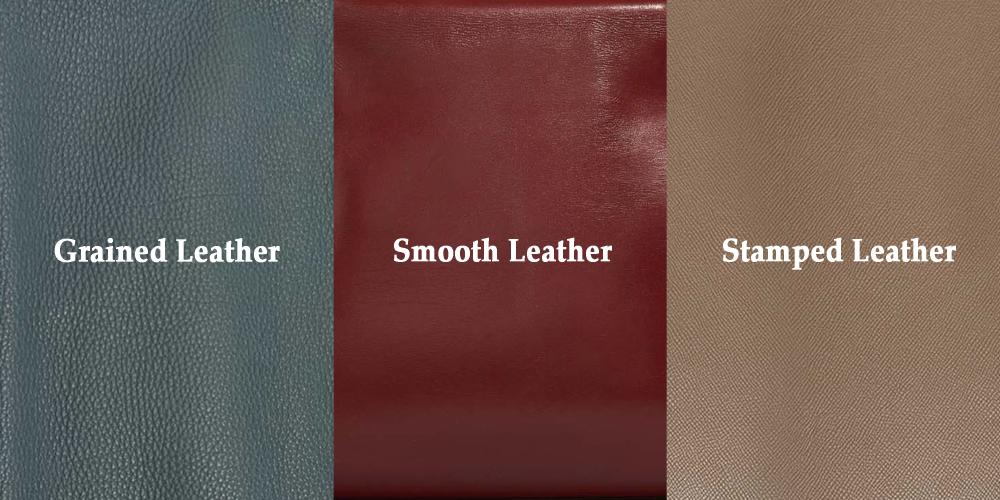
Togo leather is one of the most widely used Hermes leathers and a favorite for everyday carry. It has a pebbled grain, moderate structure, and a finish that offers a balance between softness and durability.
In light rain, Togo often performs better than people expect. Water droplets usually bead on the surface at first, especially on newer bags. This gives you time to gently blot moisture away without immediate absorption.
If rain exposure lasts longer, you may notice darker patches forming where the leather absorbs water. These areas often look concerning while wet, but in most cases they lighten as the bag dries naturally. True water spots on Togo are relatively uncommon unless the bag is soaked or exposed to improper drying methods.
For example, a brief walk in drizzle may leave faint dark areas near the handles or corners. After resting overnight at room temperature, those marks often disappear entirely. This resilience is one reason Togo is considered a practical choice for unpredictable weather.
Clemence Leather and Moisture Sensitivity
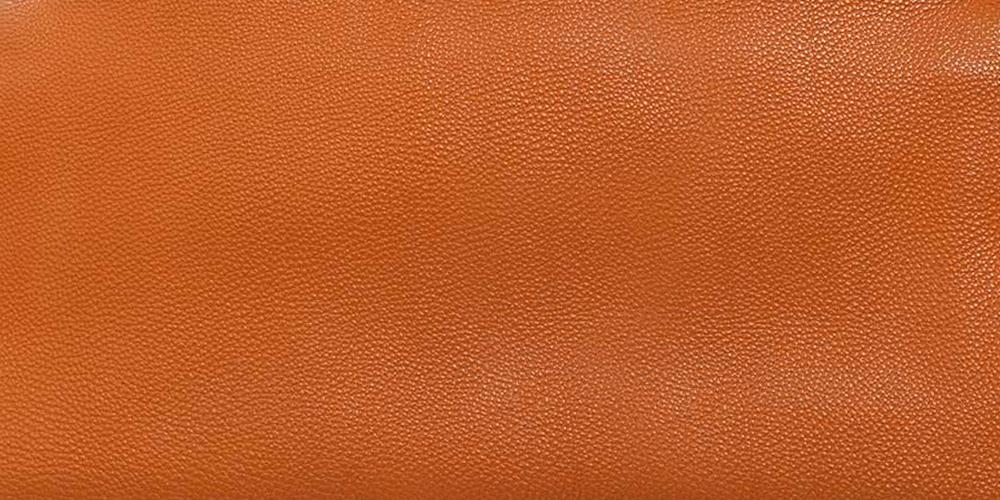
Clemence leather is softer, heavier, and more relaxed than Togo. It has a larger grain and a more casual drape, which many people love for its lived in feel.
That softness, however, makes Clemence more absorbent. Rain tends to soak in faster, especially on lighter colors. A few minutes in steady rain can result in noticeable damp patches that feel cool or slightly spongy to the touch.
This does not mean Clemence is fragile. It simply requires patience. When moisture absorbs evenly, it often dries without leaving sharp water marks. Problems occur when owners try to speed up drying or manipulate the bag while it is still damp.
Imagine placing a wet Clemence bag near a heater to dry quickly. The heat pulls moisture out unevenly, which can set marks or cause stiffness. In contrast, letting the bag rest naturally allows the fibers to relax back into place.
Clemence rewards gentle handling. Most rain related marks soften and blend back into the grain over time, especially as the bag continues to be used.
Epsom Leather in Wet Weather
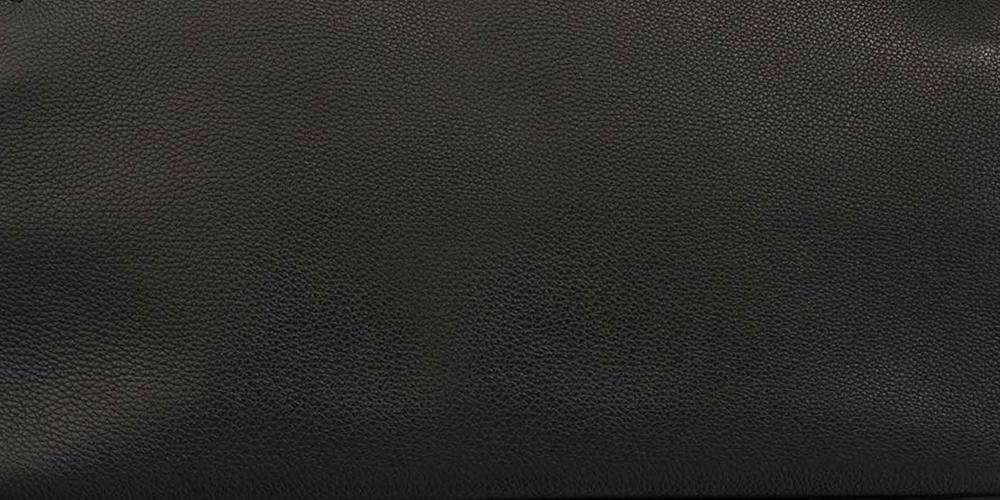
Epsom leather is stamped and coated, giving it a structured shape and a slightly rigid feel. Because of this finish, it is one of the most rain resistant Hermes leathers.
Water typically stays on the surface of Epsom rather than soaking in. Light rain can often be wiped away with a soft cloth, leaving no trace. This makes Epsom a popular option for people who commute, travel frequently, or live in wetter climates.
That said, Epsom is not completely immune to moisture issues. Water can collect along seams, edges, and stitching. If moisture sits there and dries unevenly, faint lines or dull patches may appear.
For instance, rain pooling at the base of handles may leave subtle marks if ignored. These are usually cosmetic and do not affect the structure of the bag.
After rain exposure, wiping the surface and allowing open air drying is usually enough. Avoid leather conditioners on Epsom unless recommended by a professional, as the coating does not absorb products in the same way as softer leathers.
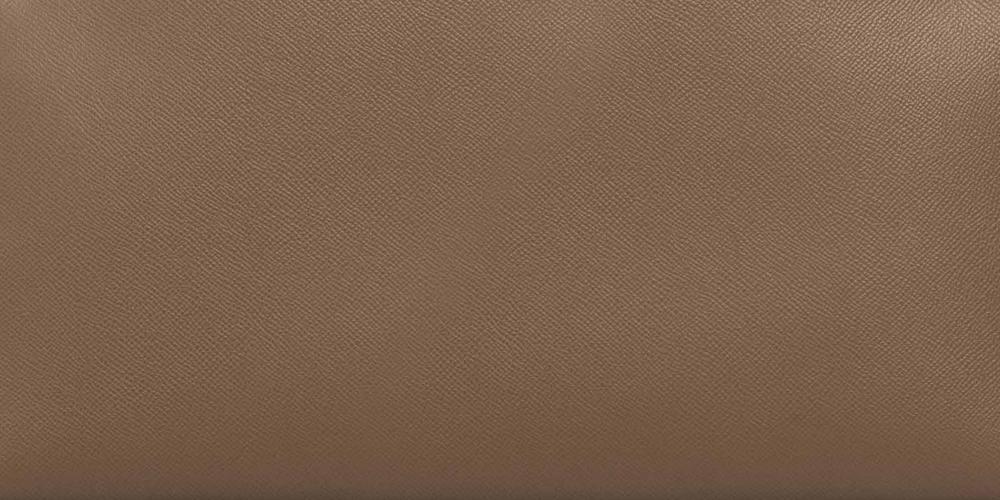
Swift Leather: Smooth, Soft, and Reactive
Swift leather is smooth, fine grained, and known for showing color beautifully. It also shows wear more easily than textured leathers.
Rain on Swift leather often leaves visible marks if not addressed promptly. Even small droplets can create rings or darker patches once dry. This sensitivity makes Swift less forgiving in wet conditions.
However, visible does not mean ruined. Many water marks on Swift fade with time or blend into the leather’s natural evolution. The key is avoiding overreaction.
Blot moisture gently as soon as possible. Let the bag dry untouched. Resist the urge to rub or apply product while the leather is damp. Oils from hands can deepen marks, and aggressive rubbing can disturb the surface.
Owners who accept a slightly evolving appearance often find that early water marks become less noticeable as the bag develops character.
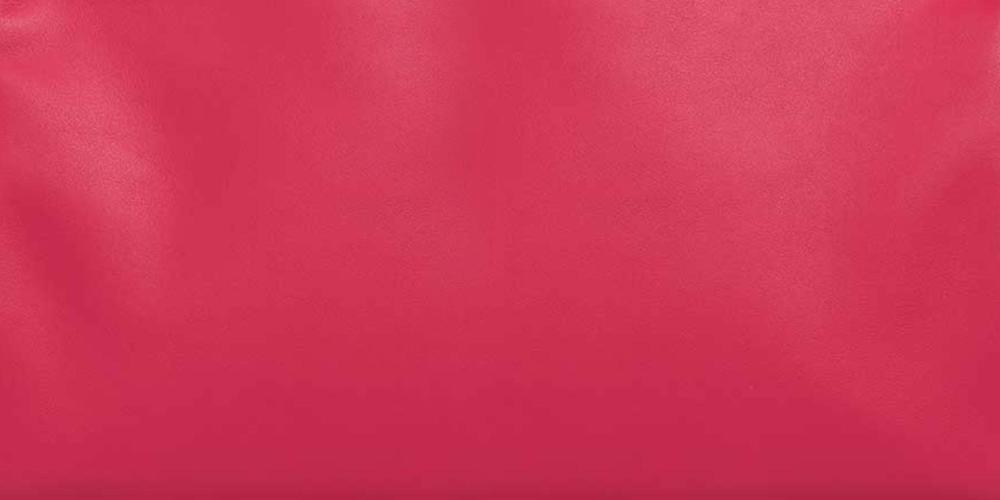
Box Calf and the Role of Patina
Box Calf is a classic Hermes leather with a smooth, polished finish. It is elegant and timeless, but also known for showing scratches, creases, and water marks.
Rain exposure often leaves clear spotting on Box Calf, especially on newer bags with less patina. These marks can look alarming at first, appearing as rings or cloudy areas.
Over time, however, Box Calf develops a patina that blends imperfections into a cohesive finish. Many water marks soften and integrate into this natural aging process.
Some owners choose professional polishing to even out the surface. Others allow the bag to age naturally. Both approaches are valid, depending on personal preference.
What matters most is avoiding harsh treatments that strip the leather or create shine inconsistencies.
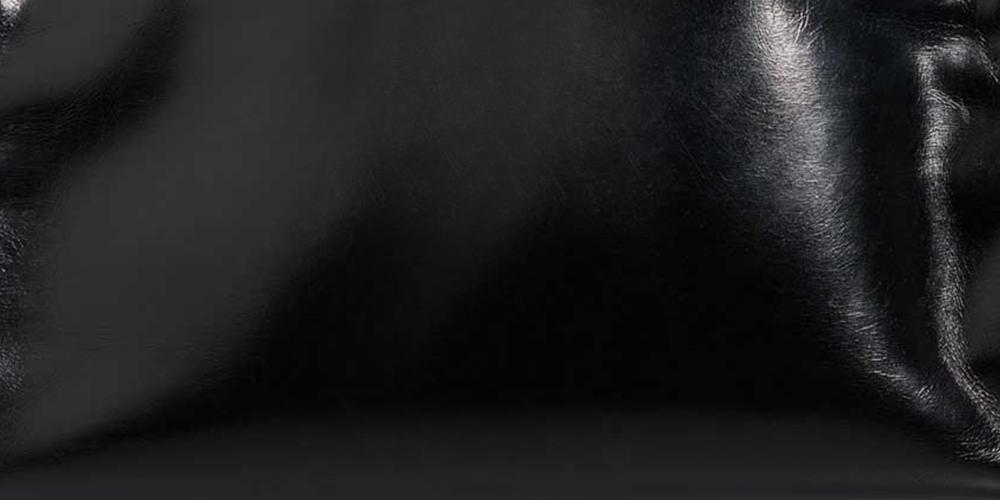
Exotic Hermes Leathers and Rain Risk
Exotic leathers such as crocodile, alligator, lizard, and ostrich require special consideration in wet weather.
These leathers are often treated to resist light moisture, but rain still presents a higher risk. Water can settle between scales or along natural ridges, where it is harder to remove.
If moisture is left trapped, it can lead to lifting, discoloration, or texture changes. This is why caution is essential.
If an exotic Hermes bag gets wet, blot the surface gently and place it in a dry, well ventilated area. Never press water out from between scales. Never apply heat. Never experiment with home remedies.
If noticeable changes appear after drying, professional care is strongly recommended. Exotic leather repairs require specialized knowledge and tools.
What Water Spots Really Are
Water spots are not always damage. In many cases, they are visual evidence of uneven drying or temporary moisture absorption.
A dark spot often indicates that the leather absorbed water and has not fully dried. A lighter spot may result from mineral residue or slight surface disturbance.
One of the most common mistakes is assuming every water mark is permanent. Leather is dynamic. It continues to change as it breathes, flexes, and absorbs natural oils from use.
Time often resolves what panic makes worse. Rushing to fix a spot with products, wipes, or heat can lock in marks that would have faded naturally, a misconception addressed in this replicax.net article on water spots.
What to Do Immediately After Rain Contact
When your Hermes bag gets caught in rain, simple steps matter more than dramatic action.
First, gently blot visible moisture with a clean, dry, lint free cloth. Press lightly. Do not rub.
Second, empty the bag completely. Remove any inserts, organizers, or contents that might trap moisture inside.
Third, place the bag upright in a dry room with good airflow. Keep it away from windows, heaters, radiators, and direct sunlight.
Fourth, allow the bag to dry naturally. This may take several hours or overnight, depending on the leather and humidity.
Once fully dry, assess the surface calmly. Do not apply conditioner unless the leather feels unusually stiff or dull. Even then, use minimal product or consult a professional.
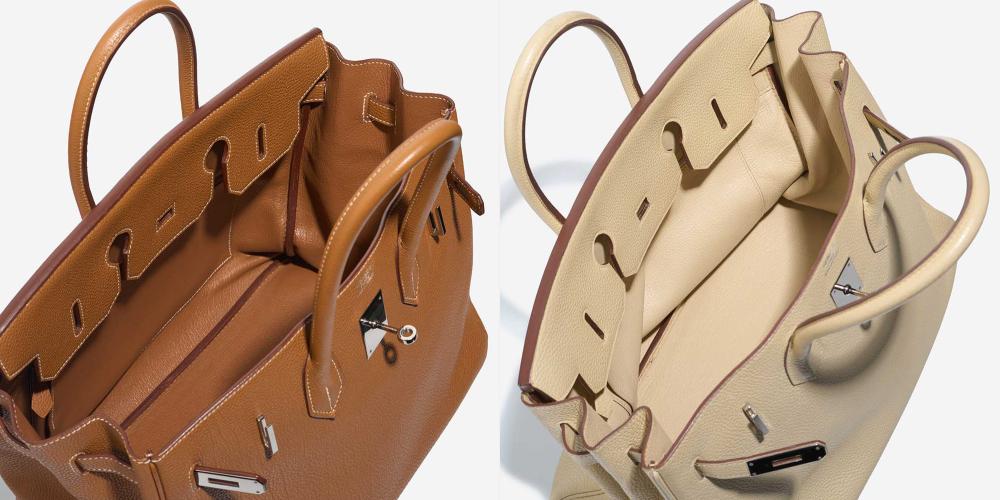
What Not to Do With a Wet Hermes Bag
Equally important is knowing what to avoid.
Never use a hair dryer, heater, or radiator. Heat dries leather unevenly and can cause long term damage.
Do not stuff the bag tightly while wet. This can stretch or distort the leather permanently.
Avoid baby wipes, alcohol, vinegar, or household cleaners. These strip finishes and leave residue.
Do not over condition. More product does not mean better results, especially on coated or structured leathers.
Long Term Weather Care and Storage Habits
If you live in a rainy climate, small habits make a big difference.
Rotate your bags so no single piece faces constant exposure. Store bags in breathable dust bags, never plastic. Keep silica packets nearby to manage humidity.
Consider the weather when choosing which bag to carry. Structured or coated leathers handle damp conditions better for daily use.
Accept that leather evolves. Minor marks are part of ownership and often add character rather than reduce value.

Final Thoughts: Calm Care Beats Panic Every Time
Rain does not automatically damage a Hermes bag. Understanding your leather type and responding calmly prevents most issues.
The majority of rain exposure situations resolve with gentle handling, patience, and time. Water spots are often temporary, and even when marks remain, they rarely affect structure or longevity.
Hermes bags are designed to live in the real world. With sensible weather care and realistic expectations, they can handle far more than many people assume.