Worldwide tracked delivery · Carefully selected quality · Personal order support

Storage Habits That Protect Hermes Bags: How to Prevent Creasing, Color Transfer, and Leather Dryness at Home
Jan 20, 2026
By
Sophia Whitmore
0 comment(s)
Hermès bags are designed to last decades, but longevity does not happen by accident. The way a bag is stored between wears plays a major role in how it looks five, ten, or even twenty years later. Creasing, color transfer, dried leather, and misshapen handles usually do not come from one bad day out. They come from months or years of quiet pressure, light exposure, and poor support while the bag is “at rest.”
This article focuses on realistic, at home storage habits that protect Hermès bags over the long term. These are not museum rules or extreme preservation tactics. They are thoughtful setups that work in real closets and real homes. Whether you own one cherished bag or maintain a full collection, these habits help preserve shape, color, leather quality, and hardware condition.
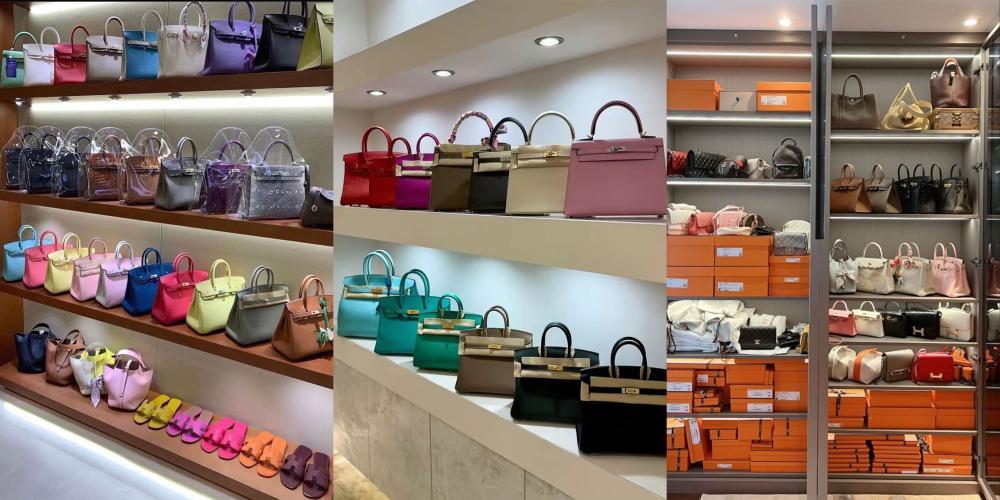
Why Storage Matters More Than Most Owners Expect
A Hermès bag spends far more time stored than carried. That alone makes storage one of the most influential factors in its condition. While use creates visible wear, storage determines whether that wear settles evenly or turns into permanent damage.
Hermès leathers are largely untreated or lightly finished. This is what gives them depth, softness, and natural variation. It also means they respond quickly to their surroundings. Gravity pulls on handles. Pressure flattens corners. Light fades color. Dry air pulls moisture from the hide.
When storage goes wrong, owners often notice:
- Fine creases that deepen into permanent lines
- Handles that no longer stand upright
- Dark marks where straps rested for too long
- Leather that feels stiff or dull instead of supple
Good storage does not stop aging. It guides it, allowing the bag to age slowly and evenly instead of all at once.
Start With the Right Storage Location
Before choosing dust bags or shelf liners, the most important decision is where the bags will live.
Choose a Stable Environment
Leather thrives in environments that feel comfortable to humans. A space that is consistently cool, dry, and shaded is ideal.
Best locations include:
- Bedroom closets away from windows
- Dedicated wardrobes with airflow
- Interior closets without exterior walls
Avoid placing Hermès bags in areas that experience temperature swings or moisture buildup. Basements, attics, and garages are particularly risky. Even if bags are inside dust bags, environmental exposure still reaches them over time.
Light Exposure Adds Up Over Time
Indirect light still affects leather and dyes. A bag stored near a window may fade unevenly, especially on one side. Over years, this can create visible color imbalance that cannot be corrected.
If your storage area has lighting, soft, indirect light is best. Avoid leaving closet lights on for extended periods.
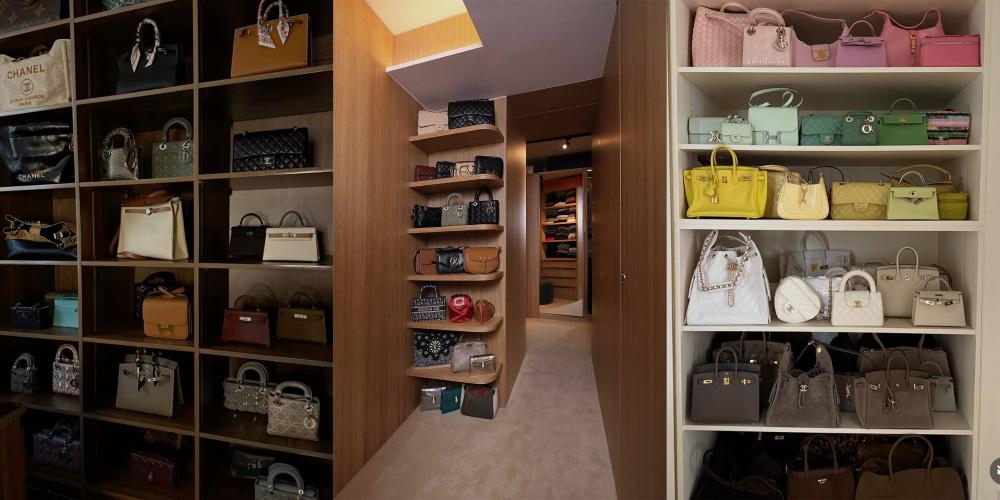
Why Shelf Storage Is Safer Than Hanging
One of the most common storage questions is whether Hermès bags can be hung by their handles. While this might save space, it introduces long term stress that most bags are not designed to handle.
Gravity Is Not Gentle Over Time
When a bag hangs, all of its weight pulls downward on a small area. Over months, this can stretch leather, weaken stitching, and permanently alter handle shape.
This is especially true for:
- Birkin bags
- Kelly bags
- Any bag with rolled leather handles
Shelf storage distributes weight evenly across the base. The bag rests the way it was designed to sit, without constant downward pull.
Shelves Also Reduce Accidental Pressure
On a shelf, you can see spacing clearly. Hanging bags often touch each other, bump walls, or get compressed when more items are added. Shelves make it easier to maintain control.
Preparing a Bag Before Storage
Storing a bag properly begins the moment you take it off.
Light Cleaning Makes a Difference
You do not need to clean aggressively or condition leather after every use. However, removing surface dust and checking for moisture prevents problems from setting in.
Before storage:
- Gently wipe the exterior with a clean, dry cloth
- Check corners, handles, and the base
- Make sure the interior is empty
If a bag has been exposed to rain or humidity, let it air dry naturally. Never use heat or direct airflow. Storing a bag while damp can lead to stiffness or mildew.
Proper Stuffing Is the Backbone of Shape Protection
Stuffing supports a bag when gravity is no longer helping it hold form. Without it, leather slowly collapses inward.
Choosing the Right Stuffing Materials
The goal of stuffing is gentle internal support, not firmness.
Recommended materials:
- Acid free white tissue paper
- Soft cotton fabri
- Original Hermès bag pillows
Avoid materials that are rough, colored, or overly rigid. Newspaper ink can transfer. Colored paper can stain light linings. Bubble wrap creates uneven pressure points.
How to Stuff Without Stressing the Leather
Start with the base. Lightly support the bottom corners, then fill upward until the bag holds its natural shape. The bag should look full but relaxed.
If the leather looks stretched or the sides bow outward, remove some stuffing. Overstuffing causes just as much damage as storing a bag empty.
Different leathers behave differently. Togo and Clemence need more support than Box or Swift. Softer bags should be allowed some slouch, while structured bags benefit from firmer shaping.
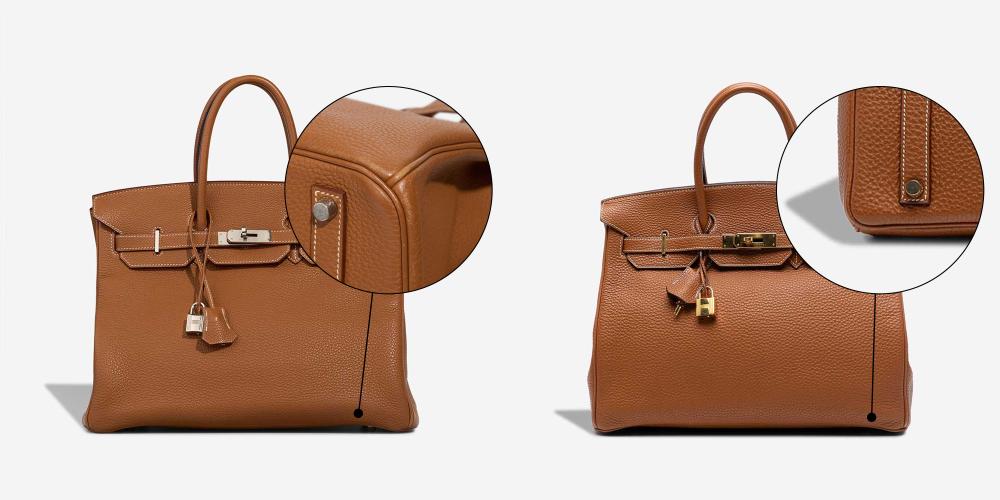
Handle and Strap Placement Deserve Special Attention
Handles and straps are often the first parts of a bag to show storage damage.
Preventing Handle Imprints
Top handles can press into the leather panel beneath them, leaving dents that deepen over time.
To prevent this:
- Lay handles flat in their natural curve
- Place acid free tissue between the handle and the bag body
- Avoid folding handles sharply or forcing them down
This small step makes a noticeable difference, especially for lighter leathers.
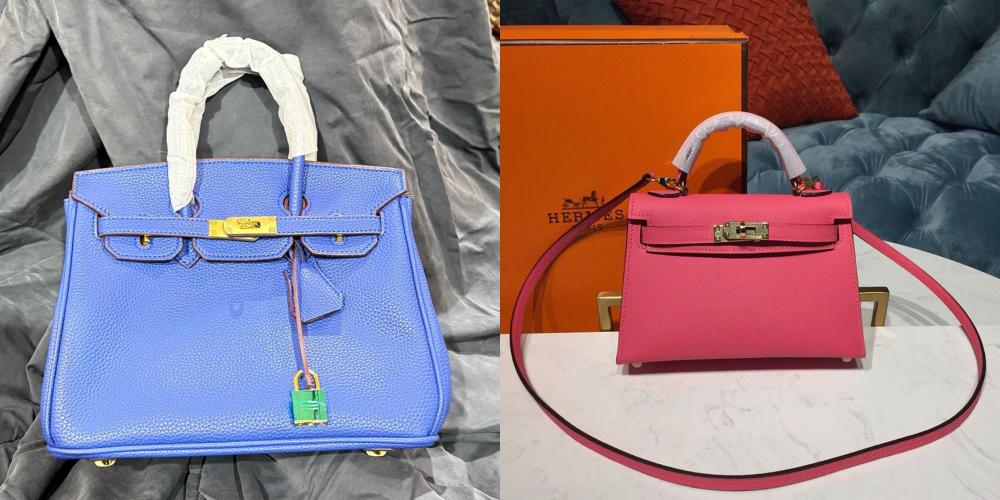
Managing Shoulder Straps Safely
Long straps are common sources of color transfer and pressure marks.
Best practice:
- Remove detachable straps when possible
- Wrap them loosely in tissue
- Store them inside the bag or beside it, not pressed against the exterior
Dark straps resting against light leather for months can leave marks that are impossible to remove.
Using Hermès Dust Bags the Right Way
Dust bags are protective tools, not storage solutions on their own.
Why Dust Bags Matter
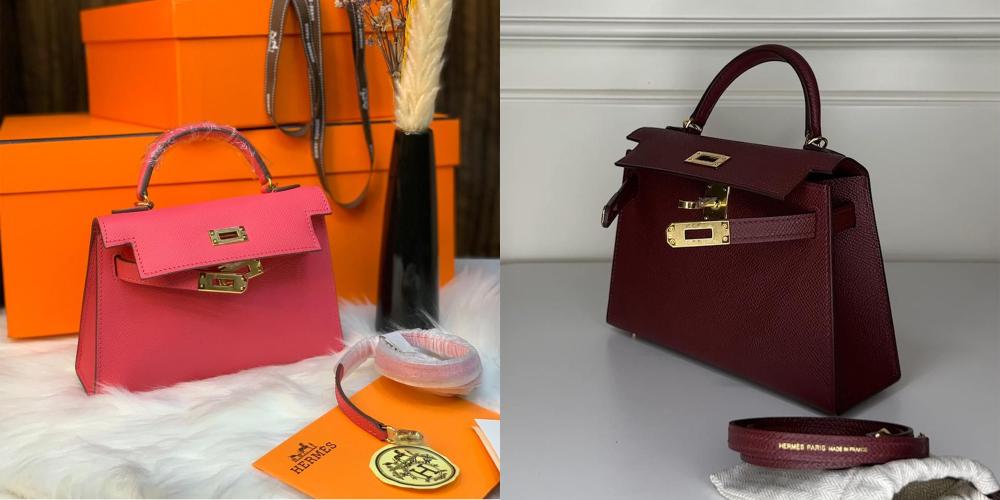
Hermès dust bags are made of breathable cotton. They protect against dust, light exposure, and surface scratches while allowing airflow.
Every bag should be stored in its own dust bag. Sharing dust bags increases friction and pressure.
Common Dust Bag Mistakes
Avoid:
- Tying dust bags tightly around the bag
- Storing bags inside plastic covers
- Using non breathable garment bags
Plastic traps moisture and prevents leather from breathing. Over time, this can lead to mold or surface dullness.
Close dust bags loosely. The goal is coverage, not compression.
Spacing Prevents Color Transfer and Shape Distortion
How close bags sit to each other matters.
Give Each Bag Its Own Space
When bags touch, dye transfer and pressure marks become more likely.
Ideally:
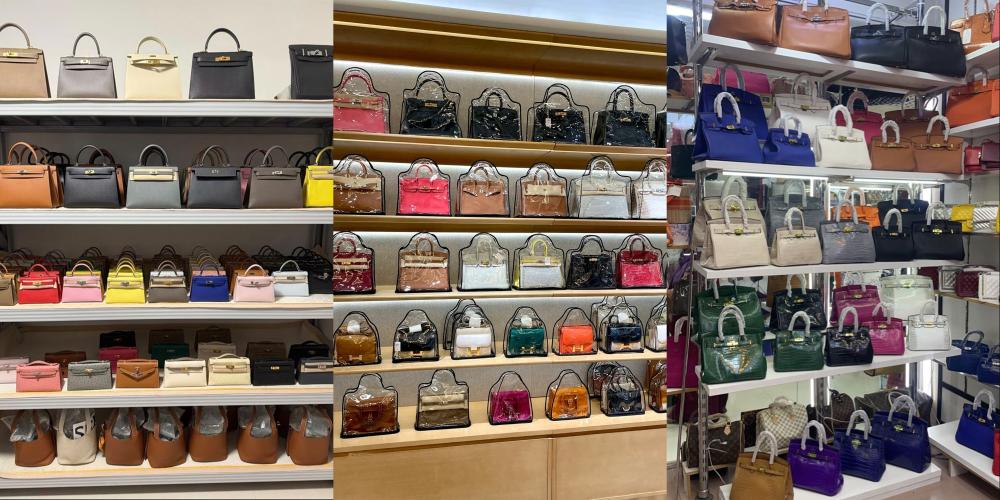
- Leave a few inches between bags
- Avoid leather to leather contact
- Alternate bag orientation if space is limited
Light colored bags, Box leather, and Epsom leather are especially vulnerable to marks from neighboring items.
Shelf dividers or folded cotton cloths can help create separation without crowding.
Hermes Leather Shelf Care and Surface Protection
The surface beneath a bag is often overlooked.
Protecting the Base Leather
Bare wood shelves can absorb oils or transfer finish residue. Over time, this can darken or dry the base leather.
To protect bags:
- Line shelves with cotton fabric or neutral shelf liners
- Avoid rubber or adhesive materials
- Keep surfaces clean and dry
A simple cotton liner protects the base without trapping moisture.
Hardware Protection Without Overdoing It
Hermès hardware is durable, but it still reacts to pressure and friction.
When and How to Protect Hardware
For long term storage:
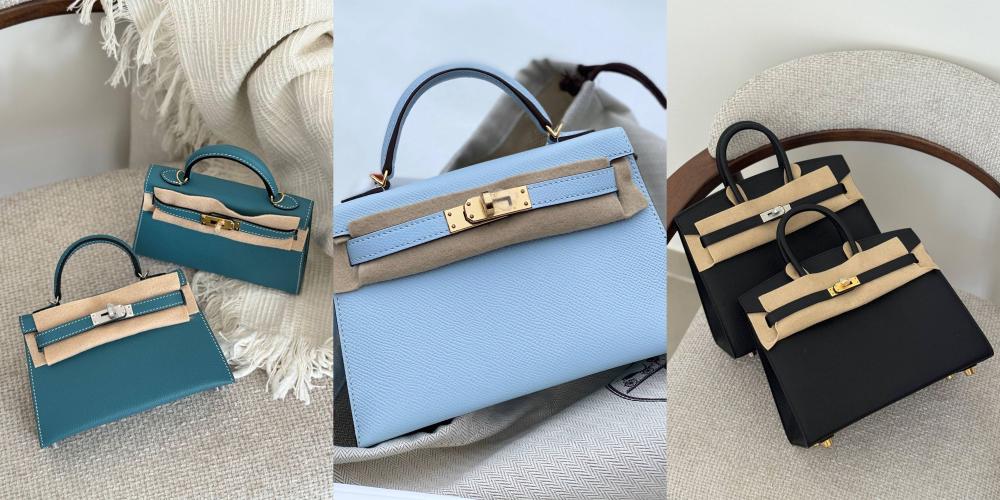
- Place a thin layer of tissue between hardware and leather
- Ensure hardware is not pressed into the bag body
Avoid tightly wrapping hardware or leaving plastic films on indefinitely. Plastic can trap moisture and leave marks over time.
Rotation Helps Leather Stay Flexible
Even perfectly stored bags benefit from occasional movement.
A Simple Rotation Routine
Every few months:
- Remove the bag from storage
- Take out the stuffing
- Let it rest naturally for a few hours
- Re stuff and return it to the shelf
This allows the leather to relax and prevents stiff folds from becoming permanent.
Managing Humidity Without Drying Leather
Leather needs balance.
Finding the Right Humidity Level
Excess moisture encourages mold. Excess dryness pulls oils from leather.
If humidity control is needed:
- Use silica packets sparingly
- Never place them in direct contact with leather
- Replace them regularly
Avoid strong dehumidifiers in small closets. Gradual, moderate control is safer than extremes.
Long Term Storage Versus Regular Rotation
Not every bag needs the same level of care.
Long Term Storage Bags
For bags used rarely:
- Extra careful stuffing
- Strap removal
- More spacing between items
Check these bags at least twice a year.
Frequently Used Bags
For bags in rotation:
- Light stuffing between wears
- Dust bag storage
- Quick visual checks
These habits prevent small issues from developing unnoticed.
Common Storage Mistakes That Cause Damage
Even experienced collectors make these errors.
Avoid:
- Overstuffing bags until leather strains
- Storing bags completely empty
- Stacking bags on top of each other
- Using scented closet products
Fragrance oils can transfer into leather and cause staining that cannot be reversed.
Building a Practical, Sustainable Storage Setup
You do not need custom cabinetry or luxury shelving.
A strong setup includes:
- Flat, stable shelves
- Breathable dust bags
- Acid free tissue
- Consistent spacing
The most important factor is consistency. Bags stored thoughtfully every time age better than bags stored perfectly once and poorly later.
Final Thoughts on Protecting Hermès Bags at Home
Hermès bags are built to last, but storage determines how gracefully they age. Supporting shape, preventing pressure, allowing airflow, and respecting leather’s natural behavior are the foundations of good care.
By choosing shelves over hanging, preparing each bag before storage, using proper stuffing, and maintaining space and airflow, you protect both beauty and value. These habits become second nature with time and quietly preserve the bags you invested in.