Worldwide tracked delivery · Carefully selected quality · Personal order support

Cleaning Myths About Hermes Bags Debunked: What Not to Use, What to Avoid, and How to Protect Luxury Leather
Jan 22, 2026
By
Sophia Whitmore
0 comment(s)
Why Hermes Bag Cleaning Advice Is So Confusing
Owning a Hermes bag often comes with an unexpected challenge: figuring out how to care for it properly. Advice is everywhere, but much of it is contradictory. One person swears by a certain cleaner. Another insists that doing nothing is neglect. Social media adds to the confusion by promoting fast results rather than long-term safety.
Part of the issue is that Hermes bags are not made like most leather goods. The brand prioritizes natural beauty, subtle finishes, and long-term aging. These qualities make the leather stunning, but also less tolerant of harsh treatment. What works on a mass-produced bag can quietly damage a Hermes piece.
This is how myths take hold. A shortcut works once, so it becomes a rule. A product creates shine, so it must be good. Over time, these ideas spread without context, and owners end up unintentionally harming the bags they are trying to protect.
Understanding what not to do is often more important than learning new cleaning tricks.
Myth 1: Any Leather Cleaner Is Safe for Hermes Bags
At first glance, this myth seems reasonable. After all, Hermes bags are leather, and leather cleaners are made for leather. The problem lies in how different leathers are treated during production.
Many commercial leather cleaners are designed for durability, not delicacy. They are made to cut through oils and grime on furniture, car seats, or work boots. To do that, they rely on ingredients that are far too aggressive for Hermes leathers.
Hermes uses light surface finishes so the leather can breathe and age naturally. When a strong cleaner is applied, it can strip away those finishes little by little. The damage does not always show immediately. Instead, the leather may slowly lose depth, become patchy, or feel dry in certain areas.
For example, owners sometimes notice that the front flap looks dull while the rest of the bag still has a soft glow. This uneven appearance is often the result of targeted cleaning with the wrong product.
A safer mindset is to treat cleaning as occasional maintenance, not routine upkeep. If dirt is not visible, cleaning is usually unnecessary.
Myth 2: Baby Wipes Are a Gentle and Convenient Solution
Baby wipes are one of the most frequently recommended “gentle” solutions, largely because they are soft and easy to use. Unfortunately, convenience is exactly what makes them risky.
Most baby wipes contain a combination of preservatives, mild detergents, fragrances, and moisturizing agents. These ingredients are designed for human skin, which regenerates. Leather does not.
When used on Hermes leather, baby wipes often leave behind a thin residue. At first, this may go unnoticed. Over time, however, that residue attracts dirt and oils, causing the wiped area to darken faster than the rest of the bag.
On smooth leathers like Swift or Box Calf, repeated use can also disturb the dye, creating cloudy or streaky patches. These marks are not surface-level and are extremely difficult to correct, often leading owners to seek Hermes bag restoration. A single emergency wipe is rarely catastrophic. The real damage comes from making baby wipes a habit.
Myth 3: Water Will Instantly Ruin a Hermes Bag
Water is often treated as a worst-case scenario, which leads to panic when a bag gets caught in the rain. In reality, light exposure to water is not always the problem. The reaction to it usually is.
When water touches leather, the fibers absorb moisture unevenly. Rubbing or scrubbing pushes that moisture deeper and spreads it outward, increasing the chance of visible marks. Heat dries the surface too quickly, trapping moisture inside and stressing the fibers.
This is why hair dryers, radiators, and direct sunlight are so damaging.
A calm response is usually the safest one. Gently blotting excess moisture and allowing the bag to dry naturally gives the leather time to rebalance itself.
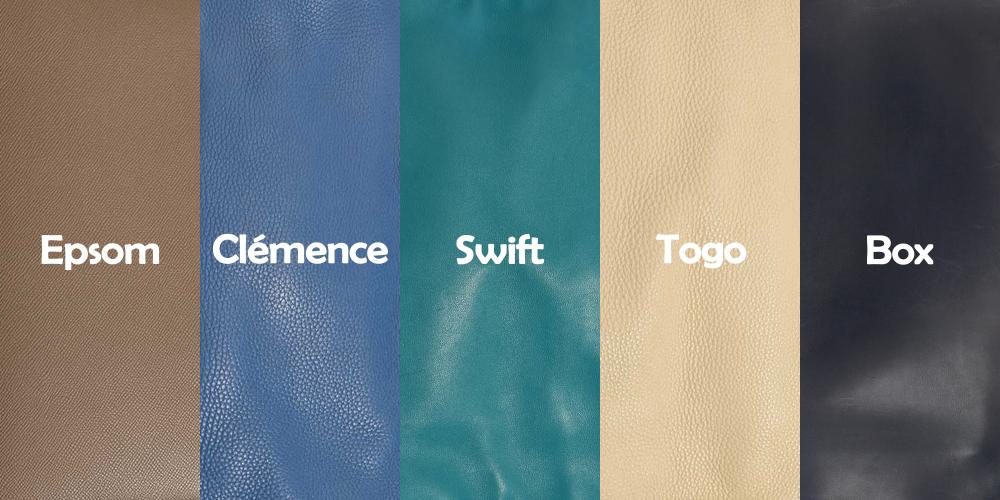
It is also important to understand that not all Hermes leathers react the same way. Grained leathers like Togo tend to hide minor water exposure better than smooth leathers like Box Calf. Knowing your leather helps you respond appropriately rather than react emotionally, a point explored further in this Hermes leather care guide.
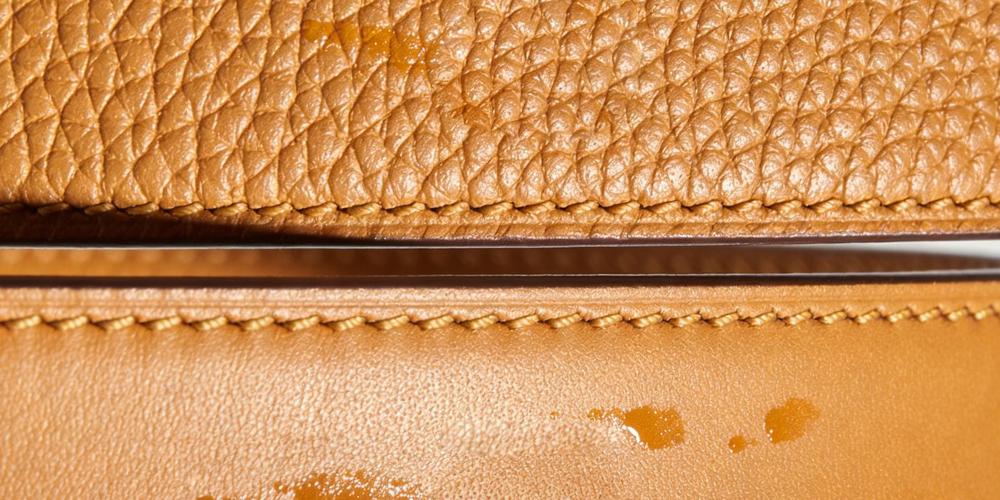
Myth 4: Conditioning Often Keeps Hermes Leather Soft and Healthy
Conditioner is often compared to moisturizer for skin, which leads many owners to believe frequent application is beneficial. In reality, Hermes leather rarely needs regular conditioning.
Over-conditioning oversaturates the leather fibers. Instead of becoming healthier, the leather becomes heavy, dark, and less structured. This is especially noticeable on handles, which already absorb natural oils from hands.
A common example is a light-colored bag that starts evenly but develops noticeably darker handles and corners over time. While some patina is natural, excessive darkening is often the result of unnecessary conditioning layered on top of natural wear.
Conditioning should be a response to dryness, not a preventive routine. If the leather still feels supple and smooth, adding product usually does more harm than good.

Myth 5: DIY Household Hacks Are Just as Effective as Professional Care
DIY hacks are appealing because they promise fast results using items already at home. Vinegar, baking soda, cornstarch, toothpaste, and dish soap are all frequently suggested online.
The issue is that these substances are not neutral. They are abrasive, acidic, or alkaline, which makes them unpredictable on luxury leather.
For instance, cornstarch is often recommended for oil stains. While it may absorb some surface oil, it can also draw moisture out of the leather unevenly, leaving a pale ring or stiff patch behind. Vinegar may lift a stain, but it can also strip dye and permanently alter color.
Professional bag spas use controlled techniques and products designed to work slowly and safely. While not every mark requires professional attention, attempting aggressive DIY fixes often makes professional restoration harder or impossible later, frequently escalating to full repairing Hermès bags.
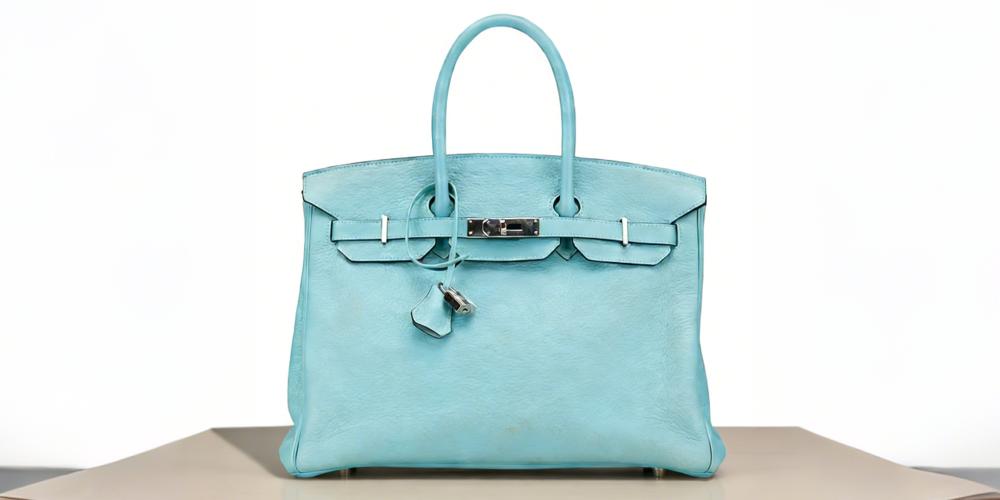
Myth 6: All Hermes Leathers Can Be Treated the Same Way
One of the most overlooked aspects of Hermes bag care is leather variety. Hermes offers dozens of leathers, each with unique characteristics.
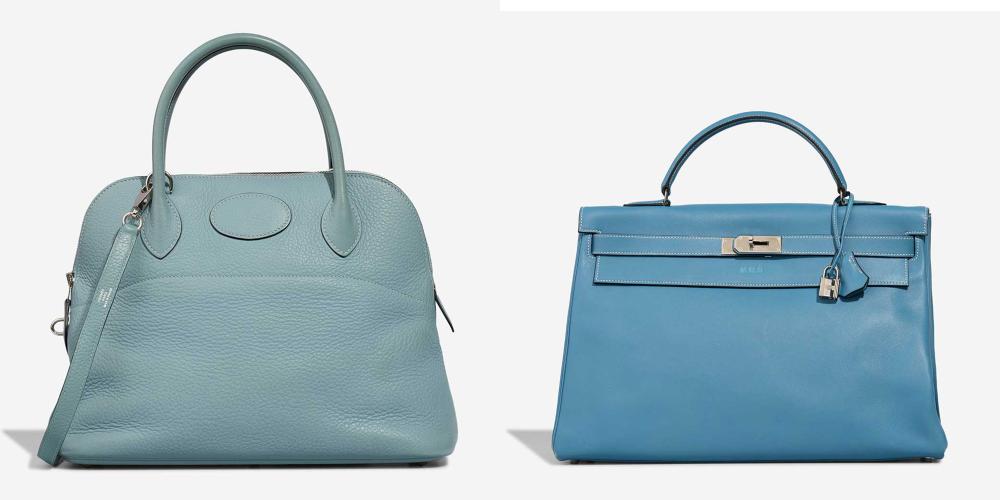
Togo and Clemence are forgiving and textured, which helps disguise minor marks. Epsom is stamped and coated, making it more resistant to scratches but less tolerant of conditioning. Swift and Box Calf are smooth and elegant, but they show every mark and absorb products quickly.
Treating all of these leathers the same way leads to uneven aging. A method that works well on one leather can permanently damage another.
Exotic leathers require even more caution. They should never be cleaned casually or treated with standard products.
Before cleaning, conditioning, or even wiping a bag, it is essential to know exactly what leather you are working with.
Myth 7: Scratches Can Always Be Buffed Out
Scratches are stressful, and the instinct to fix them immediately is understandable. However, buffing is one of the most common ways owners worsen the problem.
Light surface marks may soften naturally as the leather relaxes and absorbs natural oils. Rubbing aggressively, on the other hand, creates friction that thins the finish and alters the surface texture.
This often results in shiny spots that stand out more than the original scratch. Once the finish is uneven, it cannot be restored without professional refinishing.
A simple test helps guide your response. If the scratch does not catch your nail, it is best left alone. If it does, stop touching it and consider professional advice.
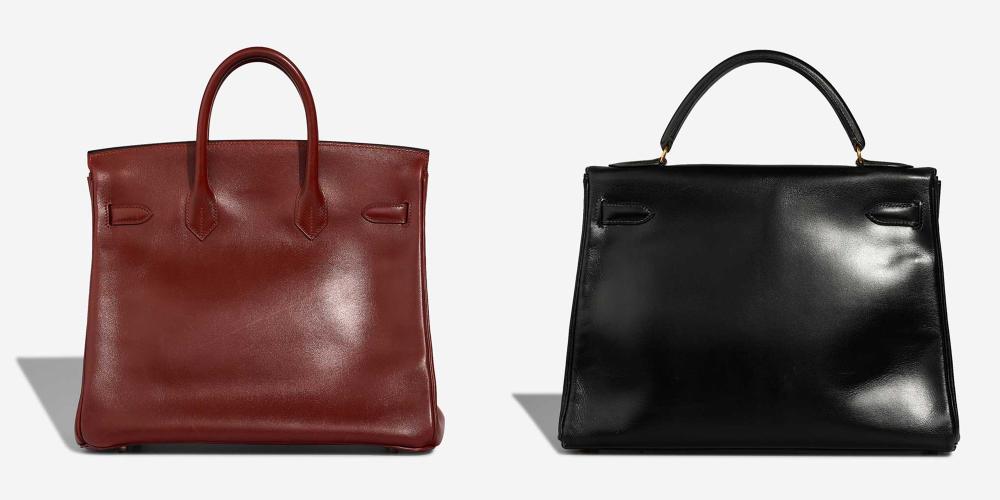
Myth 8: Sunlight Is a Natural Way to Dry and Refresh Bags
Sunlight feels clean and restorative, which makes this myth particularly convincing. Unfortunately, UV exposure is one of leather’s biggest enemies.
Sunlight causes fading, yellowing in light colors, and gradual drying of leather fibers. Even indirect light over time can alter color noticeably, especially on the front-facing side of a bag.
Drying a damp bag in sunlight speeds up evaporation at the surface while leaving moisture trapped inside. This imbalance weakens the leather and increases the risk of cracking later.
Bags should always be dried and stored away from light, in a cool, well-ventilated space, a principle emphasized in professional Hermes spa leather care.
Myth 9: Odors Mean the Bag Needs Deep Cleaning
Odors often trigger over-cleaning, which usually makes the situation worse. Most smells are caused by humidity, storage conditions, or environmental exposure, not surface dirt.
Sprays, wipes, and scented products add moisture and chemicals to the leather. These substances often linger longer than the odor itself and can permanently alter the interior lining.
Airing the bag in a dry room, improving storage conditions, and allowing time are usually more effective than aggressive cleaning.
Patience is often the best solution.
Myth 10: If the Bag Looks Fine Now, There Is No Problem
This myth is subtle and easy to believe. Many harmful practices do not show immediate results.
Residue buildup, weakened fibers, and stripped finishes develop slowly. A bag may look fine for months before issues become visible. By the time they appear, the damage is often difficult to reverse.
Hermes bags are designed to age beautifully when allowed to do so naturally. Excessive cleaning, conditioning, and experimentation interrupt that process.
Long-term care is about restraint, not constant action.

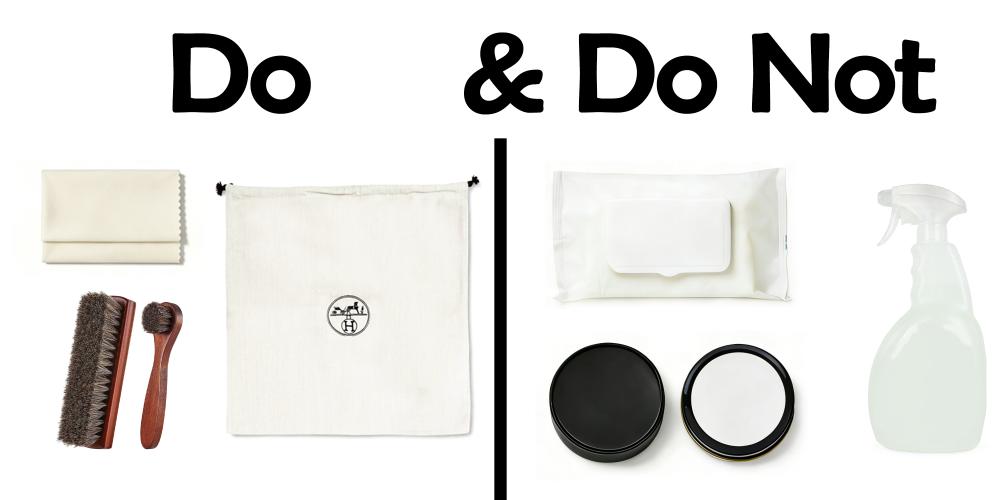
What Not to Use on Hermes Bags
To protect your bag over time, avoid:
- Baby wipes
- Alcohol-based cleaners
- Vinegar, baking soda, toothpaste
- Shoe polish or wax
- Household oils
- Unverified online “hacks”
Even products labeled “leather safe” may not be safe for Hermes leathers.
Principles for Choosing Safe Hermes Leather Products
Rather than focusing on brand names, focus on fundamentals:
- Designed for luxury handbags
- Minimal, gentle ingredients
- No alcohol, silicone, or heavy waxes
- Used sparingly and infrequently
When unsure, doing nothing is often safer than trying something new.
When Professional Care Is the Right Choice
Professional help is recommended for:
- Ink stains
- Color transfer
- Deep oil marks
- Structural softening
- Exotic leather concerns
Choose specialists with Hermes experience. Luxury leathers require specialized knowledge.
Final Thoughts: Care Through Understanding, Not Control
Hermes bags are not meant to be constantly managed. They are meant to be used, respected, and allowed to age naturally.
The most common cleaning mistakes come from good intentions paired with bad information. By avoiding myths and unnecessary shortcuts, you protect both the beauty and value of your bag.
Sometimes, the best care decision is knowing when to step back and leave the leather alone.