Worldwide tracked delivery · Carefully selected quality · Personal order support

When To Seek Hermes Spa Or Professional Bag Care: Signs Your Leather Needs Expert Attention
Jan 16, 2026
By
Sophia Whitmore
0 comment(s)
A Hermès bag is meant to be used, not locked away. Over time, though, even careful use leaves signs. Leather softens, corners rub, handles darken, and structure slowly changes. None of this means something has gone wrong. It means the bag is living the life it was designed for.
The challenge for many owners is knowing when normal wear crosses the line into something that needs professional attention. Home care can handle light maintenance, but there is a point where do-it-yourself solutions stop helping and start creating risk. Understanding that boundary is key to protecting both the appearance and long-term value of your bag.
This article outlines the most common signs that Hermès spa leather care or professional services are the right choice. It also explains what actually happens during repairing Hermès bags and full Hermes bag restoration, so you know what to expect before committing.

Why Hermès Leather Needs a Different Standard of Care
Hermès leather is not just “high quality.” It is produced with specific tanning methods, dyes, and finishes that prioritize longevity and natural aging. That is why many Hermès leathers develop character rather than simply wearing out.
However, this also makes them less forgiving.
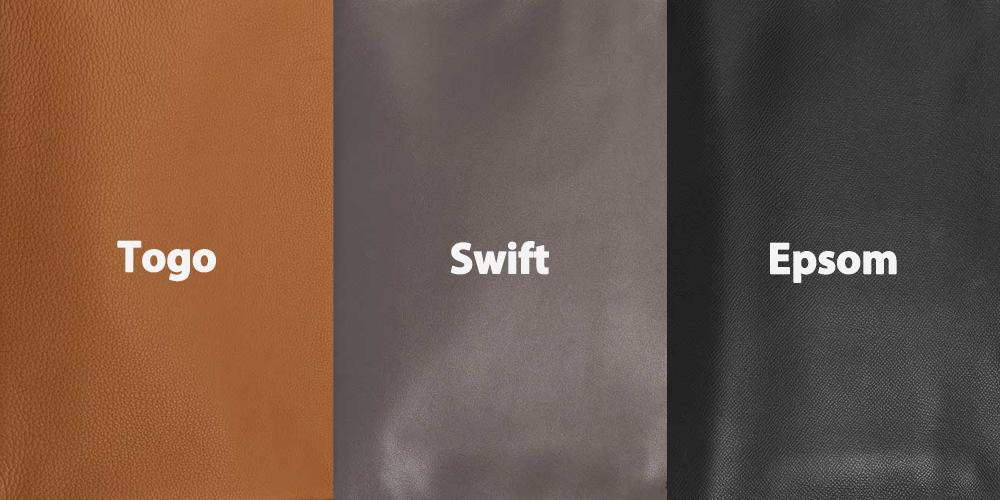
For example, Togo leather is durable and scratch resistant, but it can dry out if neglected. Swift leather feels buttery soft, yet it shows water spots and scratches more easily. Box leather develops a beautiful patina over time, but it is extremely sensitive to moisture and abrasion. Exotic leathers require even stricter handling.
Because of these differences, a single cleaner or conditioner cannot safely treat every Hermès bag. Hermes spa leather care takes these variables into account. Professionals tailor their approach to the exact leather type, color, and wear pattern, reducing the risk of darkening, staining, or texture loss.
The Subtle Early Signs That Deserve Attention
Many owners wait until damage is obvious. By then, restoration becomes more involved. In reality, the best time to seek professional care is when changes are still subtle.
Dryness that does not improve with rest
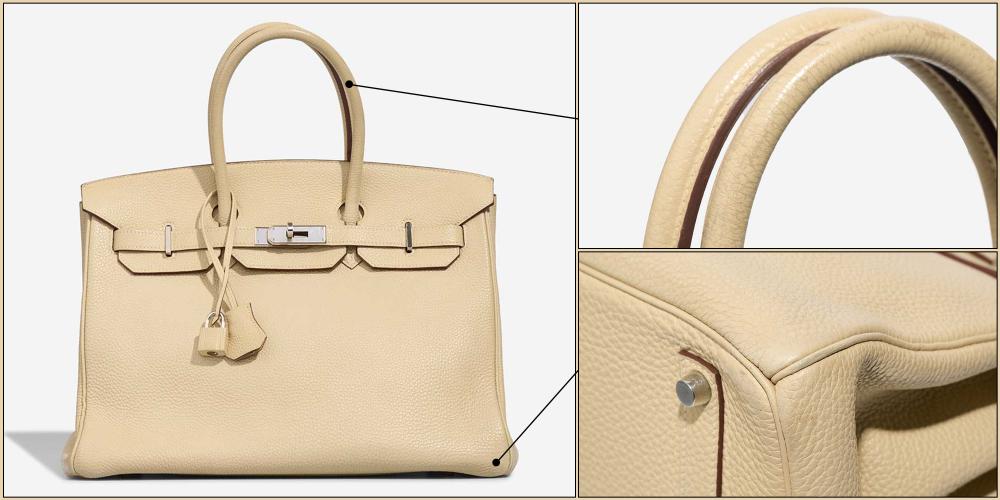
Leather naturally loses moisture over time. If your bag feels stiff even after being stored properly, or if it makes a faint creaking sound when handled, the leather may be dehydrated at a deeper level. Light conditioning at home can help early dryness, but persistent stiffness usually requires professional hydration to avoid cracking.
Loss of uniform texture
Run your hand across the bag. If certain areas feel smoother, rougher, or thinner than others, this often signals uneven wear. This is common on bags carried on the same arm daily. A spa treatment can rebalance the surface before permanent thinning occurs.
Dullness or flat appearance
Leather that once had a soft sheen may begin to look flat or lifeless. This does not always mean it needs recoloring. Often, a professional cleaning and conditioning will revive the natural finish.
Catching these signs early helps maintain the bag’s original character rather than altering it later.
When Wear Becomes Visible and Professional Care Is Safer
Some issues are clearly visible and tend to worsen quickly if ignored.
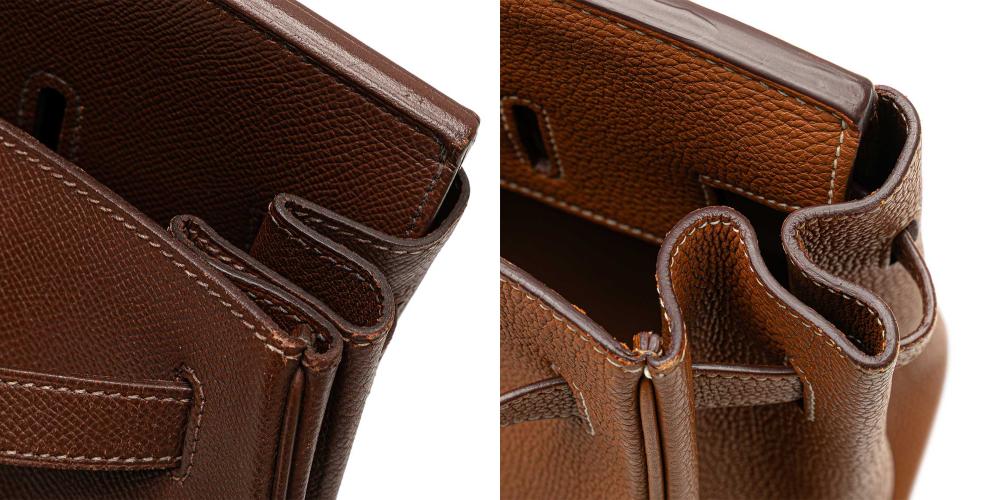
Corner wear that shows lighter patches
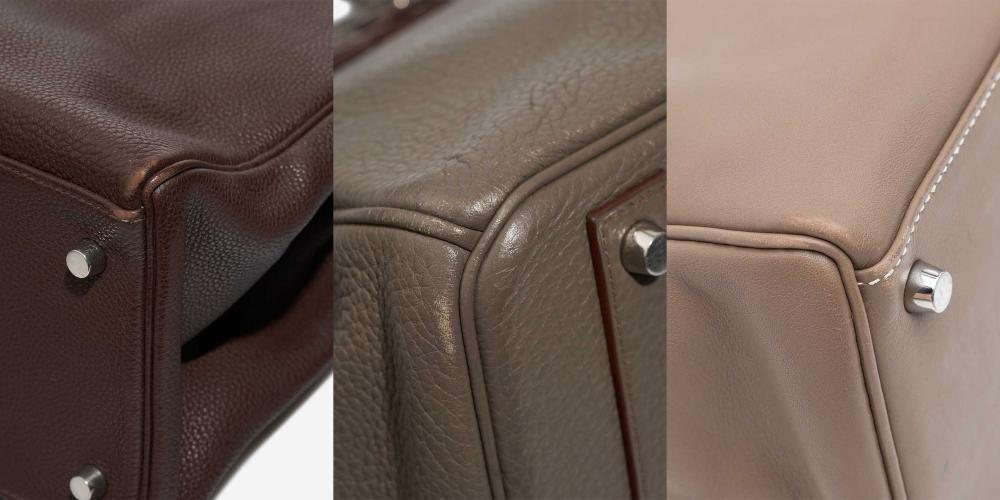
Corners experience friction from setting the bag down or brushing against clothing. Once color starts to fade or the leather feels fragile, home remedies are no longer safe. Professional repair can rebuild and recolor corners without creating thick, painted edges.
Scratches that remain after gentle buffing
Surface scratches may soften with light rubbing using a clean cloth. If a scratch remains sharp or pale, it has likely penetrated deeper into the leather grain. Attempting to fix this at home can spread the damage or remove surrounding dye.
Water marks and uneven shading
A single rainstorm or spill can leave rings or darker patches, especially on Swift or Box leather. These marks often look worse after amateur cleaning attempts. Professionals know how to gradually even out tone without creating new lines or halos.
Noticeable handle darkening
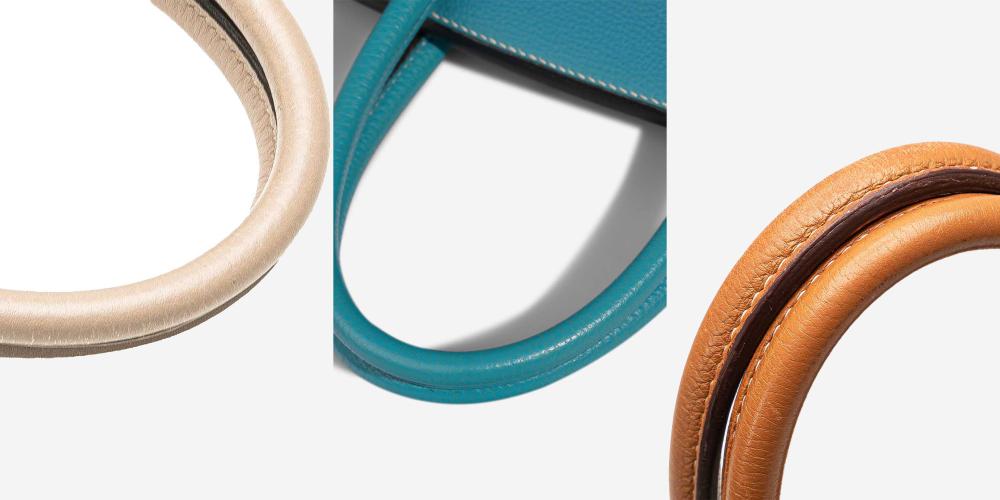
Handles absorb oils from hands over time. While some patina is expected, excessive darkening can overpower the bag’s overall look. Hermes spa leather care can clean and lighten handles while preserving a natural finish rather than stripping color entirely.
Structural Changes That Should Never Be Ignored
Beyond surface appearance, some issues affect how the bag functions.
Loss of shape or sagging panels
Soft leathers relax naturally, but excessive slouching can indicate weakened structure. If the bag collapses when set down or looks misshapen even when empty, internal reinforcement may be needed.
Cracking or peeling edge glazing
Edge glazing protects seams from moisture and wear. Once it cracks, the leather beneath is exposed. Re-glazing requires removing old material and applying new layers evenly, something that is difficult to achieve outside a professional setting.
Loose or broken stitching
Hermès stitching is done using a saddle stitch technique that is both durable and visually distinctive. Repairs must match stitch length, tension, and thread color. Poor stitching repairs are immediately noticeable and reduce value.
These problems tend to worsen with continued use, making early professional repair the smarter choice.
Why DIY Fixes Often Create Bigger Problems
It is understandable to want quick fixes. Many products are marketed as “luxury leather safe,” but few are designed specifically for Hermès materials.
Over-conditioning
Applying conditioner too frequently or too heavily can oversaturate leather. This leads to dark patches, stretching, or a spongy feel that cannot be reversed.
Harsh cleaning agents
Alcohol, vinegar, and baby wipes strip oils and damage finishes. While they may remove surface dirt, they often leave dull spots or discoloration behind.
Improper stain removal attempts
Scrubbing at stains usually spreads them. In some cases, it removes the original dye entirely, requiring recoloring instead of simple cleaning.
Once these mistakes occur, Hermes bag restoration becomes more complex and expensive. Knowing when to stop and seek professional help protects the bag in the long run.
What Happens During Hermès Spa Leather Care
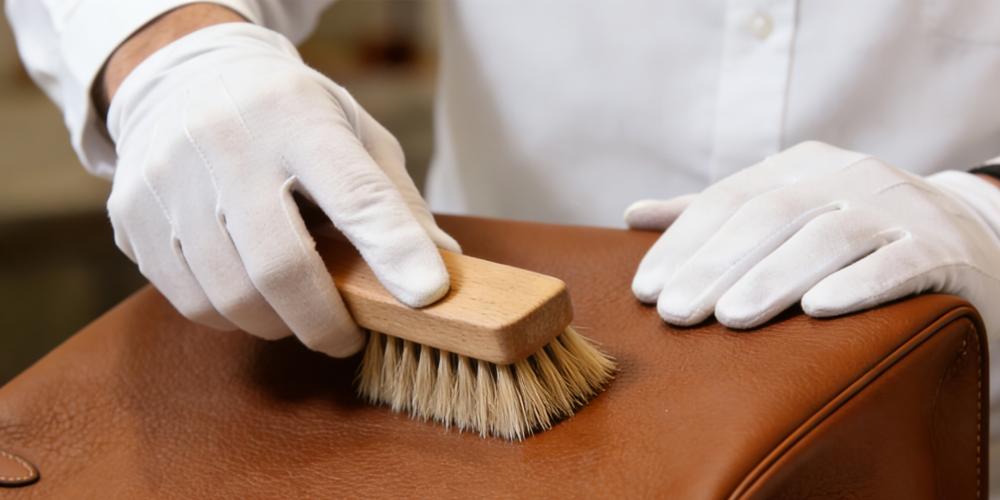
A spa service focuses on preservation rather than repair. It is ideal for bags that show wear but are not heavily damaged.
Initial assessment
Technicians evaluate leather type, color depth, wear patterns, and previous treatments. This step determines the safest approach.
Controlled cleaning
Dirt, oils, and residue are removed using leather-specific solutions. The goal is to clean without stripping natural oils.
Targeted hydration
Moisture is reintroduced gradually to restore suppleness. This step helps prevent cracking and maintains flexibility.
Light refinishing
Minor scuffs are blended, not erased. The bag should still look authentic, not overworked.
Protective finishing
A breathable layer may be applied to help resist future dirt and moisture.
This type of care refreshes the bag while keeping its original look intact.
What Repairing Hermès Bags Typically Involves
When damage goes beyond surface wear, targeted repairs are required.
Localized color restoration
Worn areas are recolored to match the surrounding leather. Professionals mix dyes carefully rather than applying a uniform coat.
Corner reconstruction
If leather is thinning, it may be reinforced before color is restored. This prevents repeat wear in the same area.
Edge and glazing repair
Old glazing is removed and reapplied smoothly to protect seams and handles.
Handle refurbishment
Depending on severity, handles may be cleaned, recolored, or rebuilt internally to restore comfort and appearance.
Each repair is designed to blend seamlessly with the rest of the bag.
If you want to know more about Hermès fashion, you can visit our Hermès blog.
Understanding Full Hermes Bag Restoration
Full restoration is appropriate when multiple issues are present or the bag has been heavily used for years.
Comprehensive cleaning
The entire bag is cleaned evenly to prevent patchiness.
Leather repair and reshaping
Panels may be reinforced, bases stabilized, and structure corrected.
Overall color refresh
When fading is widespread, the bag may be recolored to its original shade rather than spot-treated.
Hardware care
Metal components are cleaned and polished carefully to preserve protective coatings.
A quality restoration respects the bag’s age and design. The result should look well cared for, not artificially new.
How Professional Care Impacts Long-Term Value
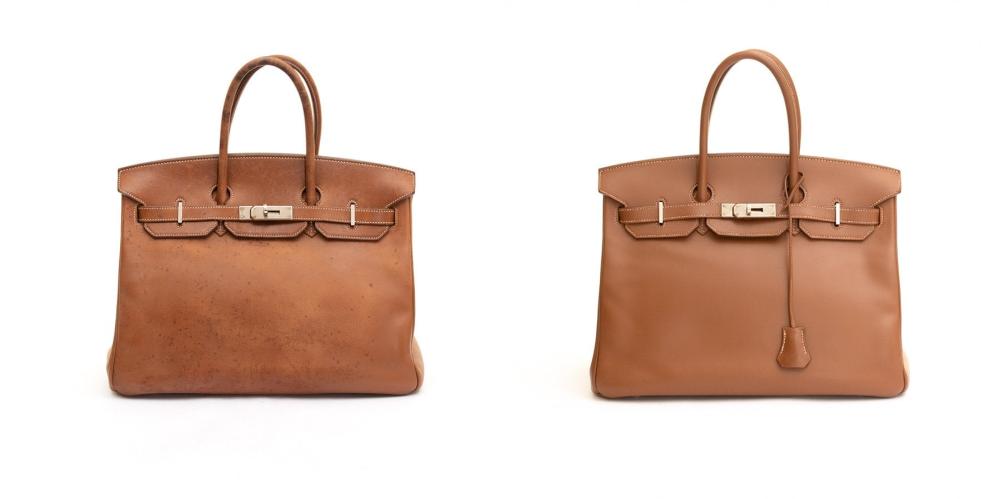
Condition plays a major role in resale and collector interest. Bags that receive regular professional maintenance age more gracefully and present better.
Visible DIY errors, uneven color, or thick repainting often lower buyer confidence. In contrast, documented Hermes spa leather care or professional restoration supports authenticity and value retention.
Even for owners who never plan to sell, preserving value means preserving craftsmanship.
How Often Professional Care Makes Sense
There is no universal schedule, but usage offers guidance.
Occasional use
Every two to three years for preventive spa care.
Regular rotation
Every one to two years, especially for lighter colors.
Daily use
Annual assessment is wise.
Climate, storage, and travel habits also affect wear. Humidity and frequent handling accelerate the need for care.
Choosing the Right Specialist Matters
Not all leather services understand Hermès construction. Look for specialists who focus specifically on repairing Hermès bags.
Ask about:
- Experience with specific Hermès leathers
- Color matching techniques
- Before-and-after examples
- Guarantees or follow-up care
Avoid services that promise instant turnaround or aggressive repainting.
Preparing Your Bag for Professional Care
Before sending your bag in:
- Empty all contents
- Photograph existing wear
- Remove charms and accessories
- Note any previous treatments
Clear communication helps ensure accurate results and realistic expectations.

Final Thoughts: Acting Early Preserves More Than Appearance
Hermès bags are designed to last decades, but longevity depends on care. The most common regret owners express is waiting too long or trying to fix serious issues themselves.
Early professional attention often costs less, preserves originality, and keeps the bag enjoyable to use. Whether it is Hermes spa leather care, targeted repairs, or full Hermes bag restoration, knowing when to seek help is part of responsible ownership.
When in doubt, consult a specialist. It is always easier to maintain than to rebuild.