Worldwide tracked delivery · Carefully selected quality · Personal order support

Stitching and Edge Painting on Hermes Bags: How Craftsmanship Protects Leather for Generations
Dec 14, 2025
By
Sophia Whitmore
0 comment(s)
Introduction: Why Construction Matters More Than Decoration
When people admire a Hermès Birkin or Kelly, they usually think first about rare leathers, iconic silhouettes, or the elusive waitlist. But what truly determines whether an Hermès bag endures for decades comes down to something less visible yet absolutely vital: how the bag is stitched and how its edges are finished.
Hermès saddle stitching and Hermès edge painting are not decorative afterthoughts. They are structural techniques refined over generations to ensure that stress points, corners, and seams retain their strength and beauty even through daily use. Understanding these two techniques—how they work, how artisans execute them, and why they last—reveals the deeper philosophy of Hermès craftsmanship: every millimeter matters.
This article explores the mechanics, materials, heritage, and protective function of saddle stitching and edge painting on Hermès bags. It also explains how these techniques influence long-term durability, aging, and value retention.
I. The Heritage of Hermès Craftsmanship
A. Origins in the Saddle Workshop
Hermès began in 1837 as a harness and saddle maker for the European elite. Working with equestrian gear meant developing techniques capable of withstanding enormous tension, sweat, friction, and weather—conditions far harsher than any handbag would ever face. The house’s earliest artisans perfected strong, flexible stitches and leather treatments that could survive galloping horses and daily stable wear.
Saddle stitch and careful edge finishing were essential in this environment. The transition from saddlery to handbags maintained those same standards, translating a functional necessity into a luxury hallmark.
B. Philosophy of Manual Craft
Every Hermès bag is constructed entirely by hand, from the first cut to the last polish, by a single artisan who trains for many years before qualifying to make a Birkin or Kelly. Saddle stitching cannot be done correctly by machine, and Hermès refuses to replace it with automation even though machines are faster and cheaper.
This commitment to manual technique ensures that each stitch becomes a deliberate action—a structural anchor, not a mechanical repetition.
II. Understanding Hermès Saddle Stitching
A. What Is Saddle Stitching?
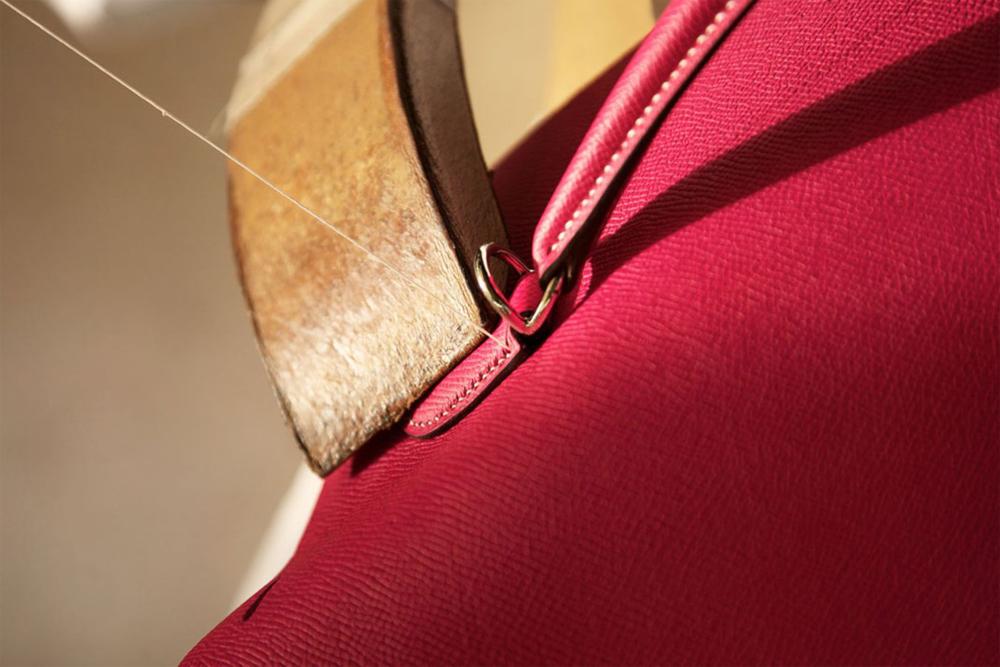
Saddle stitching is a hand-sewn method using two needles and a single thread. The thread is passed back and forth through each hole, creating a knot-like interlocking structure in the center of the leather. Unlike a lockstitch made by a machine, saddle stitch does not unravel if one stitch breaks. The remaining stitches hold their tension.
This is crucial for bags that may experience strain at handles, gussets, lid areas, and straps.
B. The Tools: Awl, Needles, and Waxed Linen Thread
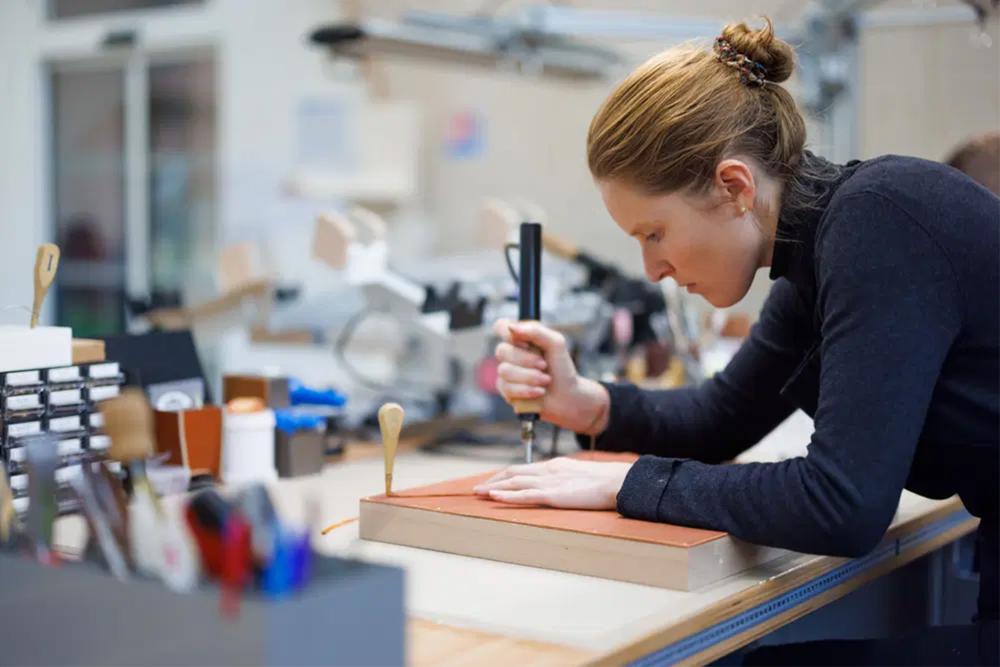
Hermès artisans use a small set of tools, each optimized for precision:
1. The Saddler’s Awl
The awl creates holes that are diamond-shaped and angled. These openings are not punched arbitrarily; they are aligned to encourage the thread to lay at the ideal tension and angle, creating the recognizable slanted Hermès stitch pattern.
2. Two Harness Needles
Rather than a single needle passing thread through both sides, saddle stitching relies on two needles passing the same thread from opposite directions. This creates a balanced, mirrored seam.
3. Waxed Linen Thread
Hermès uses linen thread coated in beeswax, chosen for:
- strength
- slight stickiness that locks the stitch in place
- resistance to humidity and friction
The wax allows the thread to slide smoothly but grip firmly once tightened.
C. The Technique: Perfecting Tension
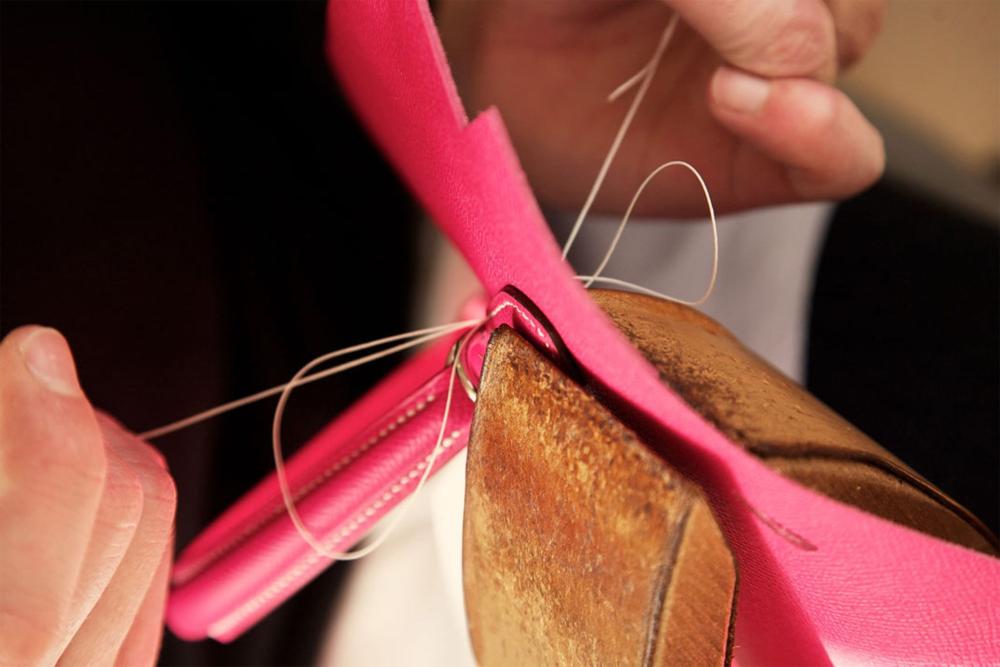
The beauty and durability of Hermès saddle stitching depend on the artisan’s control of tension. Each stitch is pulled with balanced pressure to ensure:
- no loose gaps
- no puckering
- even spacing
- uniform diagonal pattern
Maintaining this consistency for hundreds of stitches across a bag is a demanding skill that often takes years to master.
D. Why Saddle Stitch Is Stronger Than Machine Stitch
Machine-made lockstitches use a loop-and-hook mechanism. If a single thread snaps, the entire seam can unravel. Machine stitches also typically pierce leather by force, potentially weakening fibers.
Saddle stitching is different because:
- each stitch is individually locked
- thread passes fully through the leather, not around it
- opposing tension from two needles reinforces the seam
- the waxed linen thread creates friction-based security
For high-tension areas like handles, straps, and flap edges, saddle stitching ensures structural integrity under daily stress.
III. Engineering Strength: How Saddle Stitching Protects Hermès Bags
A. Distributed Stress Along the Seam
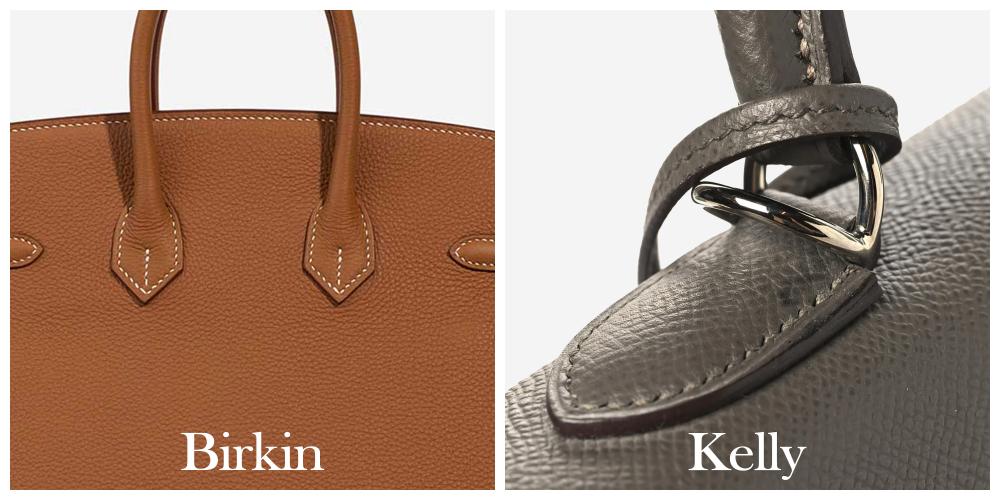
When you lift a Birkin by its handles, the weight of the bag pulls downward. Saddle stitching distributes this pressure evenly along every stitch. Machine stitches typically bunch strain at more limited points, increasing the risk of breakage.
B. Resistance to Wear and Friction
Areas like the bag’s top edge or strap attachment points experience rubbing. Waxed linen thread withstands this friction better than polyester or cotton used in many industrial stitches.
C. Consistency Under Humidity and Temperature Changes
Leather expands and contracts with temperature. Saddle stitching accommodates micro-flex movement because it is not rigid and does not rely on machine-tight loops that can snap under long-term stress.
D. Longevity: Why Hermès Bags Still Hold Decades Later
A vintage Hermès bag with original stitching often remains intact even after decades. Repairs are uncommon unless a seam has experienced extreme strain. This durability is a direct result of the hand-stitch technique passed down from the brand’s saddlery origins.
IV. Edge Painting: The Unsung Hero of Longevity
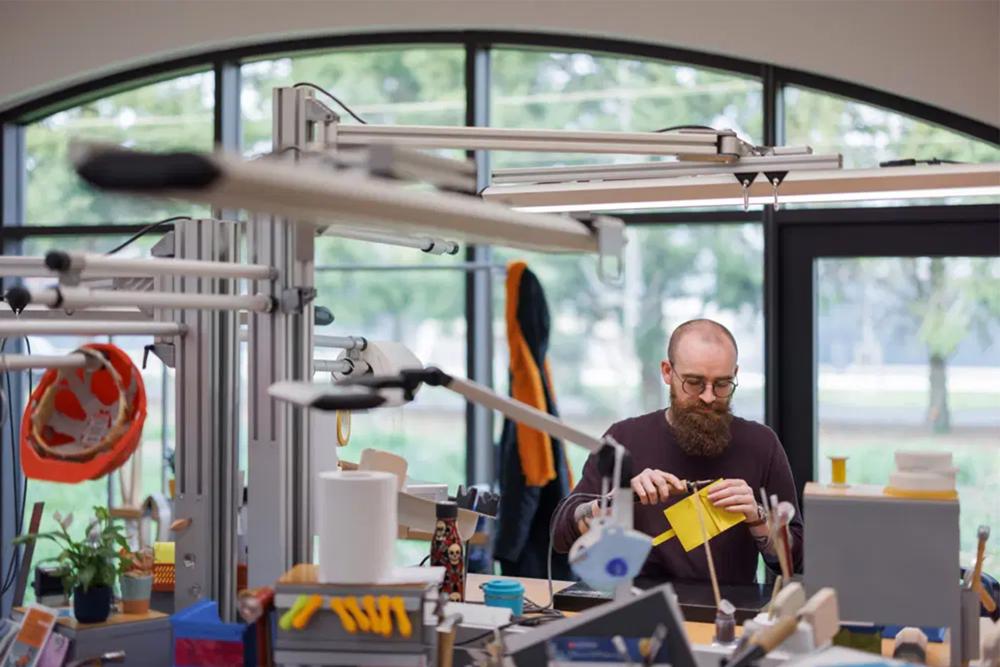
A. What Is Hermès Edge Painting?
Edge painting, also known as “inking”, is the process of sealing the raw edges of leather with multiple layers of carefully pigmented resin. It is equal parts preservation and aesthetics.
Hermès edge paint:
- prevents fraying and splitting
- protects against moisture
- strengthens corners and high-contact zones
- enhances visual smoothness and color harmony
It’s a surprisingly slow, precision-heavy process that significantly influences the bag’s longevity.
B. Materials: Hermès’ Proprietary Edge Lacquer
Hermès uses a water-based or resin-based lacquer that is flexible enough to move with the leather while still providing a protective barrier. The paint is custom-mixed to match specific leathers such as Togo, Swift, Epsom, or Barenia.
Flexibility is essential because stiff paints might crack or peel as the bag moves.
C. Three to Seven Layers: The Multi-Step Process
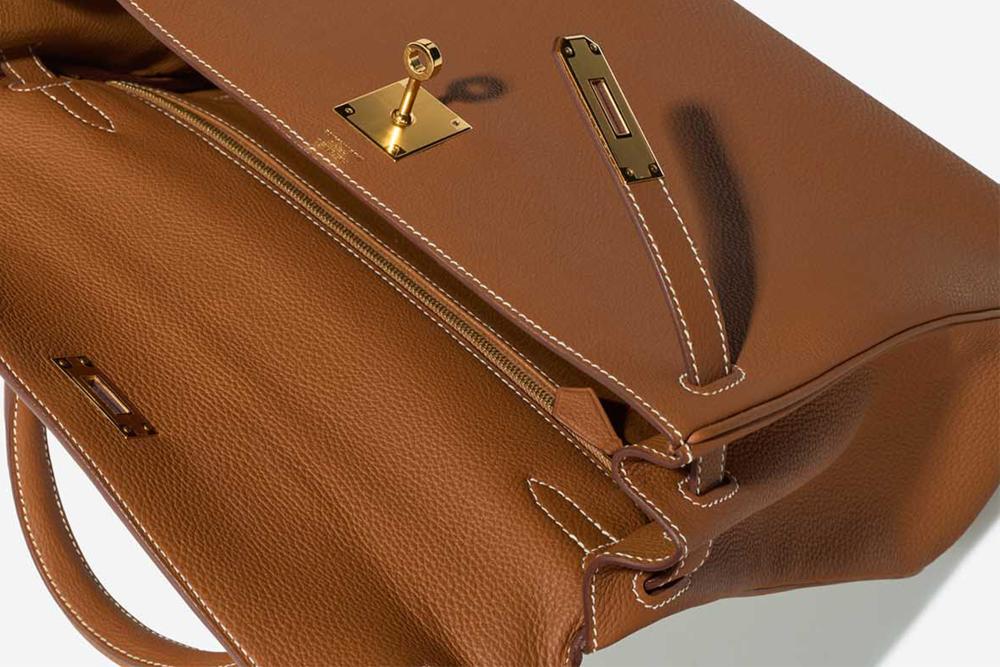
Edge painting is not a single swipe. It involves layering steps, each requiring drying and finishing:
- Sanding the raw leather edge
- Applying the first layer of paint
- Heat-sealing to compress fibers
- Sanding again for smoothness
- Applying a second layer
- Drying and refining
- Adding third or additional layers depending on leather type
Soft leathers may require more layers because their edges absorb paint differently.
D. Heat Sealing: The Technical Secret
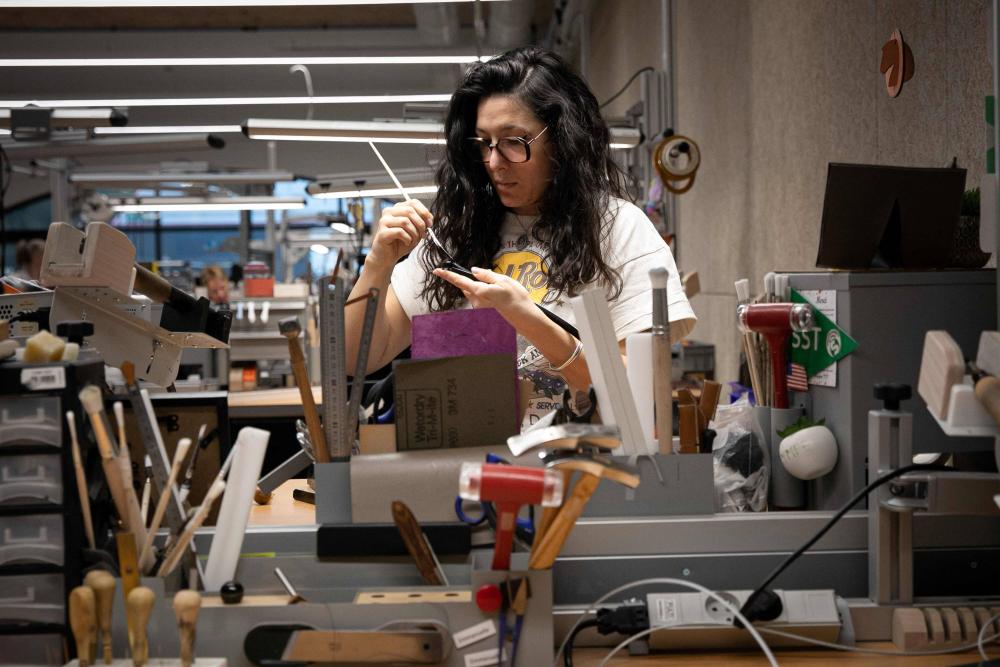
After each layer, heat is applied to fuse the paint to the leather fibers. The temperature must be precise—too hot and the leather warps, too cold and the paint doesn’t bond.
Heat sealing:
- strengthens the edge
- keeps paint flexible
- ensures smoothness over time
This technique reduces the risk of peeling or cracking even after years of use.
V. The Relationship Between Stitching and Edge Painting
A. Complementary Systems of Protection
Saddle stitching reinforces the structure of the bag, while edge painting protects the surface—especially at seams and flaps where leather layers meet.
B. High-Stress Points Depend on Both Techniques
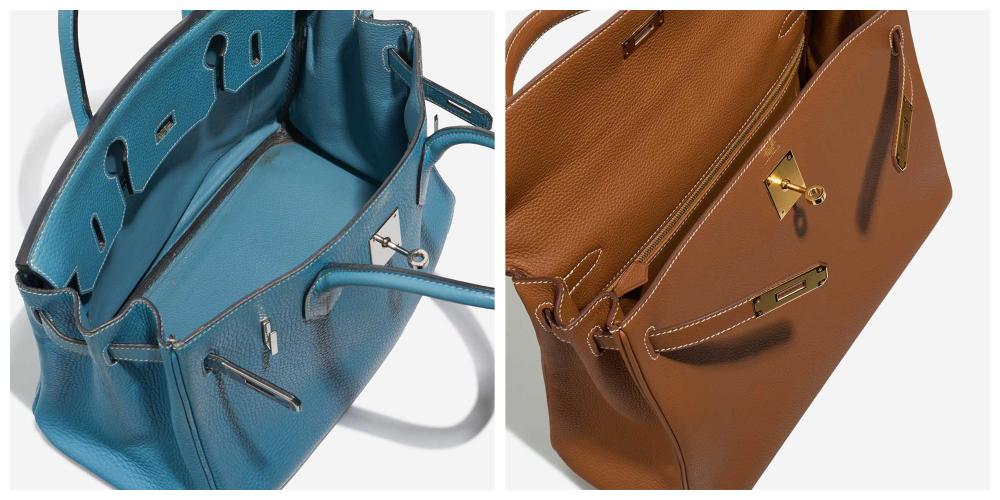
Key areas where stitching and edge painting work together include:
- handles
- strap attachments
- gusset folds
- top flaps
- corner edges
These areas are vulnerable to friction, pulling, or environmental exposure. Hermès’ dual approach ensures that stress is mitigated at the raw edge and the stitched seam simultaneously.
C. Preventing Moisture Intrusion
Raw edges can absorb water easily, which can weaken stitching or discolor leather. Edge painting creates a barrier that repels moisture and dirt, keeping threads and fibers stronger over time.
If you want to know more about Hermès fashion, you can visit our Hermès blog.
VI. How Hermès Techniques Compare to Machine-Made Luxury Bags
A. Machine Stitching Limits
Many luxury brands use machine stitching for speed. Even high-end brands relying on strong stitching cannot match the durability of saddle stitch. Machine stitches are uniform but inherently weaker because they rely on loops instead of interlocking thread.
B. Edges Finished with Folded Leather vs. Painted Edges
Some brands fold leather over edges instead of painting them. While elegant, folded edges are:
- bulkier
- more prone to cracking over time
- susceptible to moisture seeping underneath
Hermès uses edge painting because it is both finer and more durable when layered correctly.
C. Long-Term Results
Collectors and repair professionals often observe that Hermès bags last remarkably longer before showing edge wear or seam failure. The combination of saddle stitching and edge painting is a key differentiator.
VII. The Aging Process: How Stitching and Edges Evolve Over Time
A. Patina and Thread Stability
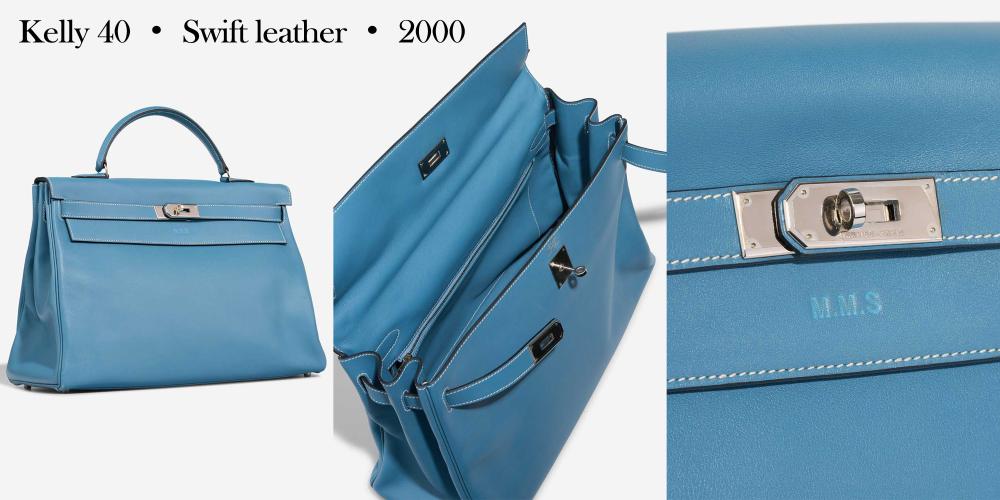
Waxed linen thread ages gracefully. Over years, it softens slightly but rarely loosens. In contrast, machine-stitched seams sometimes slip apart as thread stretches.
B. Edge Paint Wear Is Normal—but Manageable
Even the highest-quality edge paint shows wear at friction points like handles or strap edges. However:
- Hermès paint wears smoothly
- It does not tend to chip sharply
- It can be refreshed by skilled artisans
A well-maintained Hermès bag can have its edges refinished to near-new condition without replacing leather.
C. Barenia, Togo, and Swift: How Leather Type Influences Longevity
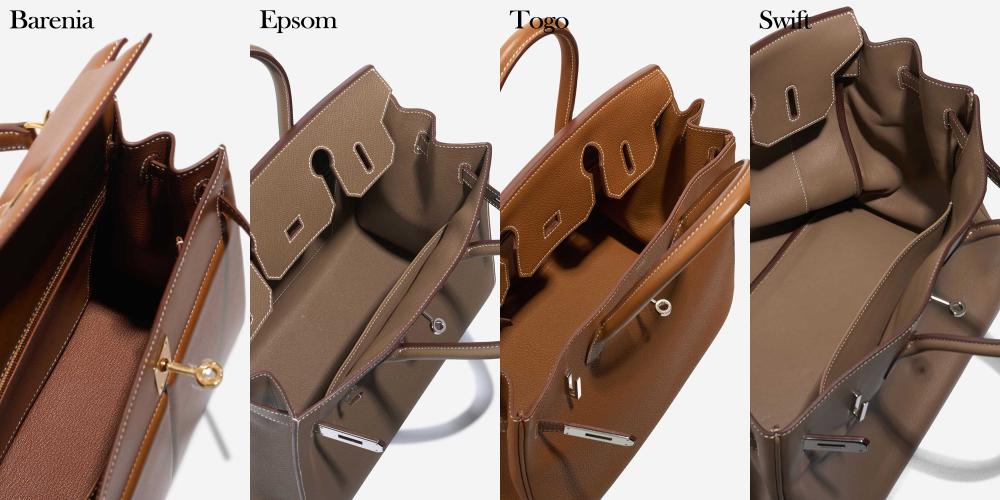
Some leathers require more edge maintenance than others:
- Epsom: holds edge paint exceptionally well due to embossed structure
- Togo: durable, slightly grainy edges that absorb paint evenly
- Swift: softer; edges require expert layering
- Barenia: absorbs oils and patinas richly, making edge paint protection crucial
Understanding how your bag’s leather behaves can help you plan proper care.
VIII. Common Misconceptions About Hermès Stitching and Edges
A. “Hand-stitched means imperfection.”
Many people expect hand stitching to be uneven, but Hermès artisans achieve machine-like precision with nuanced control.
B. “Edge paint always cracks eventually.”
This is primarily true for stiff, low-quality paints or cheaply finished bags. Hermès uses flexible lacquer designed to move with the leather’s fibers, significantly reducing cracking.
C. “More layers of edge paint means lower quality.”
In reality, additional layers serve to:
- refine texture
- match softness of specific leathers
- reinforce durability
The layering process is a deliberate choice, not a fix for poor quality.
IX. Care Tips for Preserving Stitching and Edges
A. Avoid Overloading
Even though saddle stitching is extremely strong, overloading a bag stresses both leather and seams over time. Carrying heavy items can cause the bag’s shape to slump and joints to strain unnecessarily.
B. Store Handles Upright
Friction between handles and flaps is one of the main causes of edge paint wear. When stored properly, long-term rubbing is reduced.
C. Minimize Excessive Moisture Exposure
Hermès edge paint repels some moisture, but constant humidity or water exposure can reduce its integrity.
D. Annual Professional Conditioning
A professional spa treatment can:
- hydrate leather
- polish edges
- check seam tension
- retouch minor edge wear
Early attention prolongs the life of both stitching and the bag’s finish.
Conclusion: The Invisible Art That Makes a Hermès Bag Last
The longevity and value of a Hermès bag derive not only from its materials or heritage, but from the invisible structural techniques that artisans apply with profound precision. Saddle stitching creates a seam that resists time, tension, and wear. Edge painting shields leather from moisture, friction, and everyday use.
Together, they embody Hermès’ original equestrian philosophy: beauty is inseparable from strength. The result is a bag that becomes richer with age, developing character without sacrificing function—a rare combination in the world of fashion.
By understanding these techniques, buyers can better appreciate why Hermès craftsmanship commands global respect and why its bags continue to outperform others in longevity and refinement.