Worldwide tracked delivery · Carefully selected quality · Personal order support

How Hermes Crafts Supple And Structured Bags: Inside The Art, Engineering, And Leatherwork Behind Their Signature Shapes
Dec 10, 2025
By
Sophia Whitmore
0 comment(s)
Hermes is known for bags that seem to defy normal leather behavior. Some hold their sculpted silhouette for decades. Others fold, sway, and fall into soft curves at the touch of a hand. What makes one Hermes bag crisp and upright while another drapes with effortless ease?
The answer sits at the intersection of leather choice, pattern engineering, internal architecture, and artisan technique. When these pieces come together, Hermes can take similar hides and guide them into completely different personalities.
This article breaks down how Hermes controls structure and softness. You will see how artisans design around the natural traits of each hide, how construction choices amplify or soften those traits, and how final finishing locks in that signature Hermes feel.
Why Structure Matters in Hermes Design
Structure shapes how a bag behaves in real life. A firm silhouette stands on its own. A soft silhouette molds to the body and shifts as you move. Hermes tailors each model’s identity around these qualities.
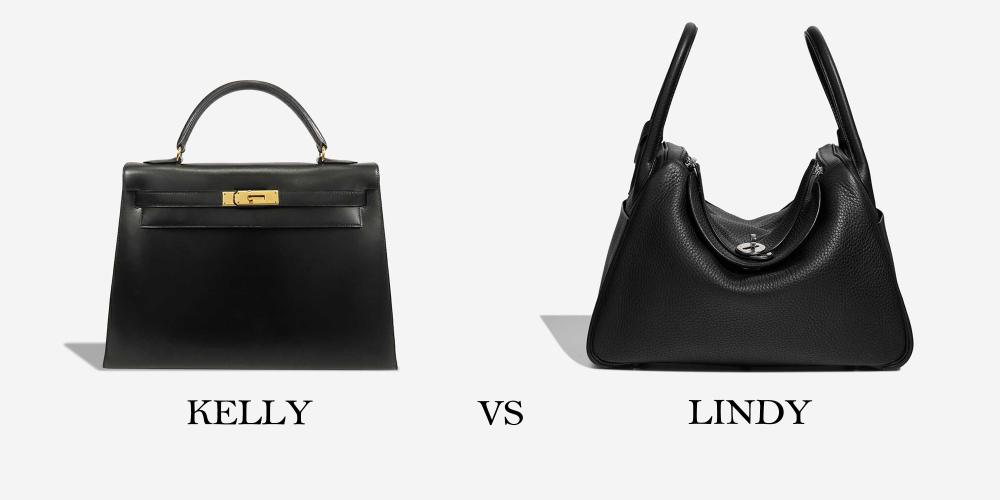
A Kelly is regal and upright. Structure supports that look.
A Lindy is relaxed and swinging. Supple leather reinforces that intention.
A Birkin sits in the middle. It softens over time but never fully collapses.
Structure controls how the bag ages, how it handles weight, and how it photographs. Whether a collector loves precision or ease, solidity or slouch, Hermes uses every stage of construction to shape that emotional response.
Core Leathers: What Softens And What Stiffens
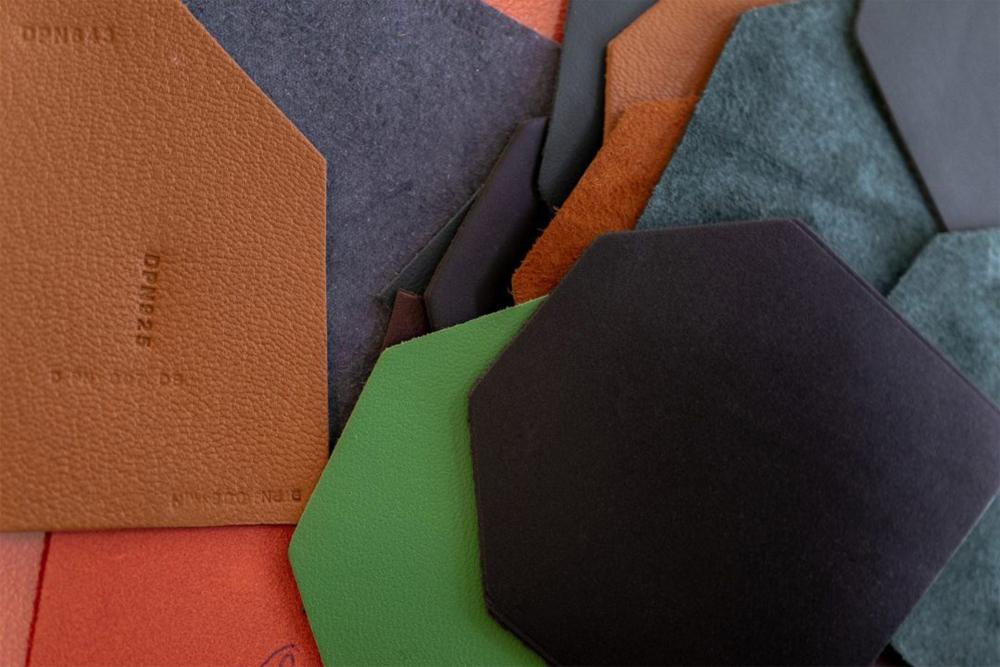
Hermes sources hides with natural grain, thickness, and elasticity that influence the final feel. Yet Hermes does not rely on the leather alone. Even the most supple hide can become firm with the right internal support. Still, understanding the raw materials provides a starting point.
Togo
Togo has a grainy surface with light bounce. It is soft enough for a casual profile but has enough body to keep a bag from collapsing. This makes it ideal for Birkins, which need relaxed structure.
Clemence
Clemence is heavier and more elastic. Bags in Clemence tend to sink at the base and develop a slouch. Hermes uses Clemence when it wants natural softness, like in the Evelyne or some Lindy versions.
Swift
Swift is smooth and flexible. It shows folds easily. Swift is often used in smaller structured bags where the artisan can control the flexibility through reinforcement, or for supple silhouettes that celebrate its softness.
Epsom
Epsom is embossed, light, and firm. It holds shape with minimal support. Hermes uses it for bags that require crisp lines, such as the Sellier Kelly.
Box Calf
Box Calf is smooth with natural stiffness. It develops a glossy patina and stays sharp for decades. It is one of Hermes’s best leathers for structured silhouettes.
Evercolor And Evergrain
These leathers are soft to the touch with mild structure. They sit between Swift and Epsom in firmness, allowing Hermes to manipulate them through construction.
These leathers set the baseline. The magic happens when artisans add structure or release it through pattern cutting, lining, reinforcement, and shaping.
How Pattern Engineering Directs Structure
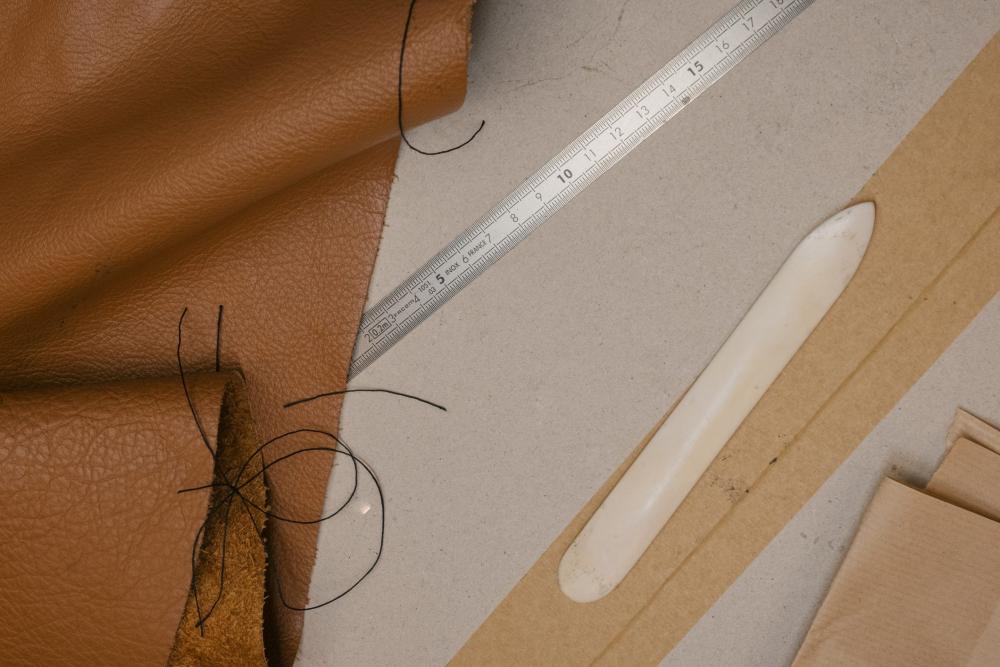
Every Hermes bag begins as a pattern. The pattern dictates how pieces meet, how tension flows through the bag, and where the bag can bend or stay firm.
Precise Edges For Structured Bags
For structured silhouettes, Hermes designs patterns with sharp, straight lines. These pieces are cut to fit tightly against each other. Once stitched, the seams lock the edges into form, almost like architecture.
A Sellier Kelly uses patterns with folded, turned edges that require perfect alignment. This creates crisp borders that reinforce the bag’s personality.
Curved Panels For Supple Bags
Supple bags often have curved patterns that soften tension and allow the leather to move. The Lindy uses oval and rounded panels that drape naturally. The absence of sharp corners encourages the leather to fall into soft folds.
Thickness Placement
Hermes often varies the thickness of leather panels. Thick areas hold. Thin areas flex. This sculpting allows one bag to behave differently at the base, sides, or top. Strategic thinning by hand gives artisans immense control.
Lining Choices That Add Or Remove Firmness
The lining of a bag acts like the spine. It can either stiffen the structure or relax it.
Stiff Linings For Shape
Structured bags often use goatskin lining. Goatskin is durable, thin, and slightly firm. When glued to the outer leather, the two layers work together to hold shape.
Soft Linings For Flow
Supple bags may use softer or thinner linings, or sometimes none at all. The Picotin uses raw interior leather, which keeps the bag flexible. Without an inner layer to brace the outer shell, the bag moves freely.
Full Bonding Versus Partial Bonding
How the lining attaches matters. Full bonding creates firmness. Partial bonding leaves movement. Hermes tailors bonding technique based on how rigid the artisan wants the final silhouette.
Internal Architecture: The Hidden Structure
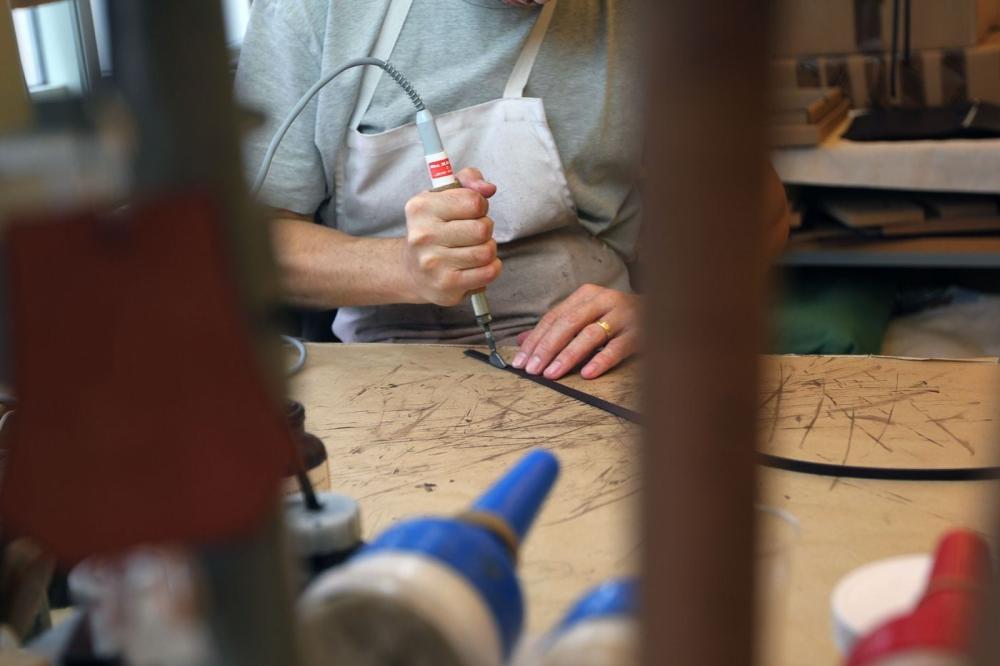
What you do not see inside the bag often defines the final look. Hermes uses several forms of internal reinforcement to control silhouette.
Leather Stays
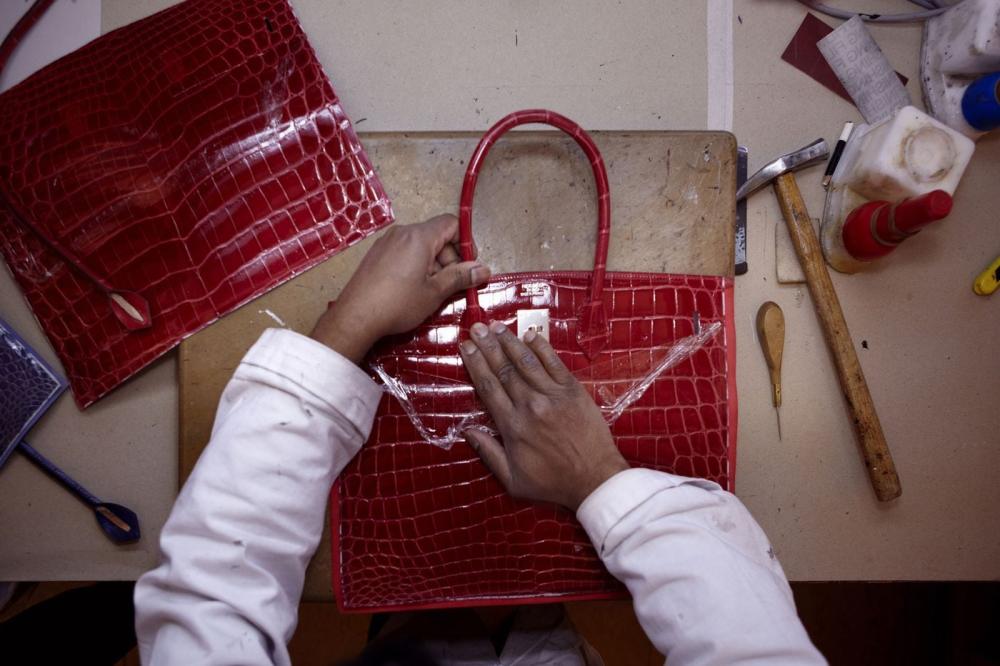
Thin strips of stiffened leather serve as internal support beams. These can be placed along edges, seams, or the base. They keep the bag upright while allowing natural movement away from reinforced points.
If you want to know more about Hermès fashion, you can visit our Hermès blog.
Base Plates
The base of a structured bag usually contains a hidden plate. This plate is often leather, sometimes layered for added strength. It prevents sagging and ensures the bag stands straight.
Edge Construction
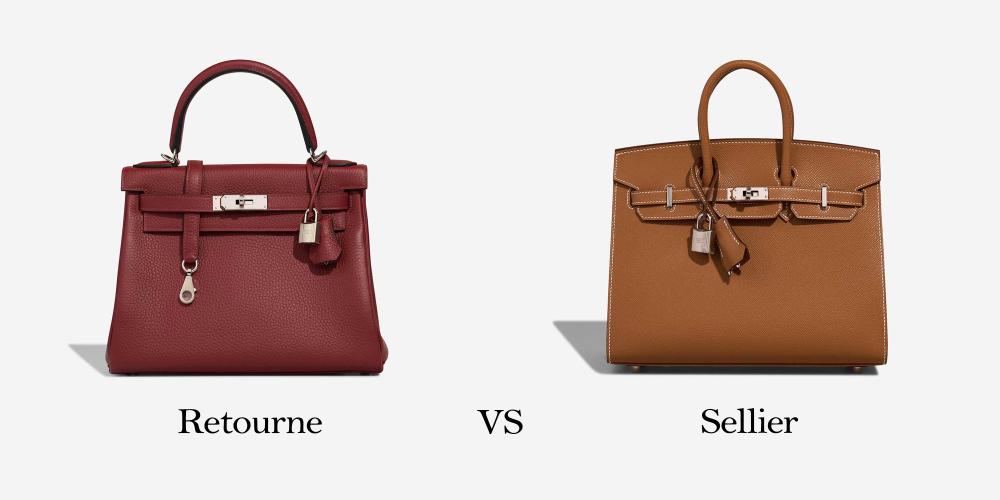
Edges can be folded, painted, or stitched in a way that increases rigidity. A Sellier Kelly’s turned edges produce sharp, polished lines. A Retourne Kelly has edges folded inward. This softens the outline and encourages slight slouch.
Handle Construction
Handles contribute to the bag’s behavior. A structured handle carries tension that reinforces the body. A softer, rolled handle absorbs tension and reduces stiffness. Hermes crafts handles as separate engineered components, then attaches them to guide how the bag lifts and falls.
Wet Molding And Shaping: The Step That Locks In Form
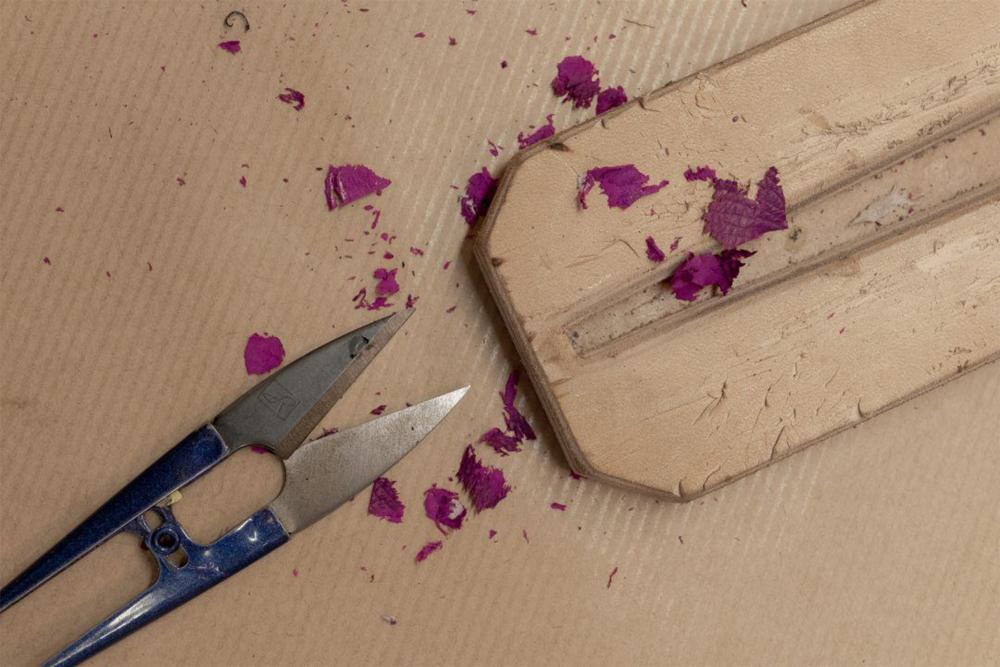
Hermes artisans use wooden forms, clamps, and water to guide leather into shape. This step is essential in turning flat pieces into a three dimensional bag.
Molding For Structure
For structured models, artisans shape the leather tightly over hard forms. Once dry, the leather holds that geometry. This creates the signature crisp corners of a Kelly Sellier or Constance.
Molding For Supple Movement
For more relaxed bags, artisans use gentler shaping that keeps the natural drape of the leather. The leather is encouraged to retain roundness or fluid curves rather than sharp lines.
Drying Technique
Drying determines how firmly the shape sets. Slow drying under tension locks the leather into rigid form. Faster or looser drying preserves movement.
Stitching Techniques That Affect Rigidity
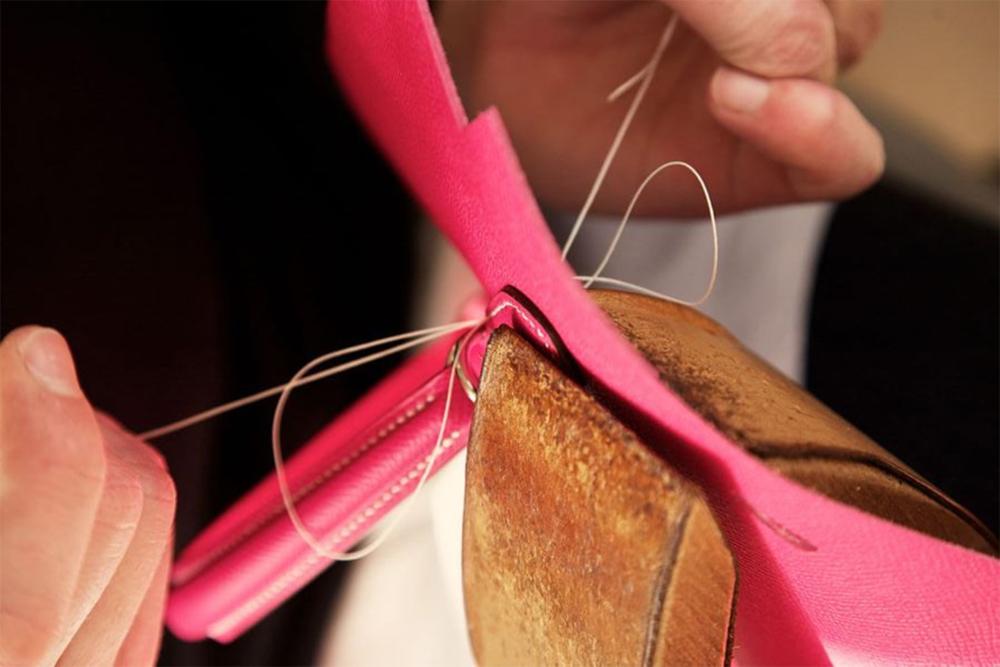
Hermes hand stitches each bag using saddle stitch. Even small changes in stitching technique influence final behavior.
Tight Stitching For Structure
Shorter stitch lengths and increased tension produce firm seams. The seam becomes almost structural.
Longer Or Looser Stitching For Softness
Longer stitches allow movement along the seam. This creates softer transitions between panels.
Seam Placement
Where seams are placed also matters. A seam at the edge stiffens. A seam moved inward softens. Artisans adjust placement to fine tune the bag’s behavior.
Comparing Two Models: Lindy Versus Kelly
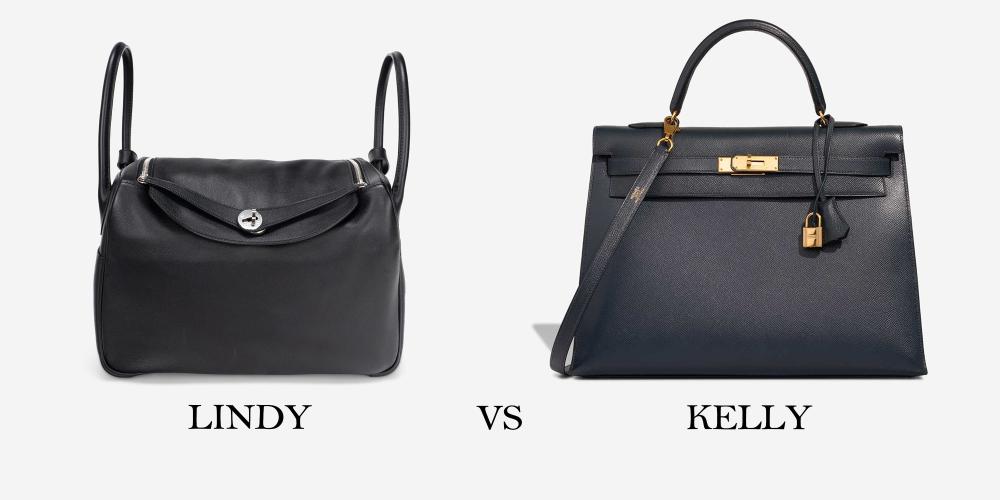
Seeing two opposite bags side by side makes the difference clear.
Lindy: Designed For Ease
The Lindy is intentionally soft. Its rounded panels, minimal reinforcement, and flexible handles create natural slouch. The leather is allowed to fall into itself. Even in Togo or Clemence, the silhouette remains relaxed.
Kelly: Created To Hold Shape
The Kelly, especially Sellier, uses firm leather, goatskin lining, stiff edges, and internal stays to maintain its ladylike form. Every choice pushes the bag toward precision. Even in softer leathers, the structure dominates.
When Supple Leathers Become Structured Bags
Hermes can take even a soft leather like Swift and transform it into a structured bag through pattern and reinforcement. A Sellier Kelly in Swift still holds shape because the internal build overpowers the softness of the hide.
This is one reason collectors often note that Hermes structure comes from technique, not leather alone.
When Structured Leathers Become Supple Bags
A softer construction can make a firmer leather feel more relaxed. Epsom in a Retourne build will still be structured, but the edges and seams soften the look. A Picotin in Epsom would still slouch more than a Kelly in Epsom because the internal architecture, not the leather, sets the behavior.
Hermes uses construction to fine tune how much the leather speaks and how much the structure speaks.
If you want to know more about Hermès, visit our Hermès blog.
Final Finishing That Controls the Feel
After the bag is assembled, artisans refine the edges, polish the seams, and add the final touches that complete the silhouette.
Edge Painting
Layers of edge paint add subtle stiffness and clarity to structured bags. Softer bags may have lighter edge finishing to keep movement.
Heat Shaping
Certain edges are heated to lock shape. Heat sets the leather fibers, similar to setting hair. More heat equals crisper lines.
Hardware Weight
Hardware affects balance. Heavy hardware pulls the bag down, which increases slouch. Lighter hardware preserves structure. Hermes adjusts hardware depending on the model and leather.
Why Hermes Bags Age So Differently
Over time, structure can soften and soft bags can sink deeper into slouch. This progression is not a flaw. Hermes designs for it.
Structured Bags Aging Gracefully
A structured bag gains softness but keeps form. Corners round slightly. The bag becomes more approachable while staying recognizable.
Supple Bags Deepening In Character
Supple bags become more dramatic. Curves become more defined. The bag molds to the wearer. This is part of the charm of models like the Lindy and Evelyne.
Hermes crafts every bag with this future in mind.
How Hermes Trains Artisans To Control Structure
The level of control Hermes demands requires years of apprenticeship. Artisans learn how moisture, tension, leather grain, and pressure interact. They practice cutting, thinning, and stitching on sample pieces until they can predict exactly how a seam or a fold will change the final silhouette.
It takes one artisan, start to finish, to build each bag. The artisan understands the model, the leather, and the intended feel. That unity of vision is how Hermes maintains consistency even in a product made entirely by hand.
What This Means For Collectors
Understanding how Hermes guides structure helps collectors choose the right bag for their lifestyle.
If you want a bag that holds shape:
Choose firm leathers like Epsom or Box Calf combined with structured models like the Kelly Sellier or Constance.
If you want a relaxed everyday bag:
Choose Clemence, Swift, or softer builds like the Lindy, Picotin, or Retourne Kelly.
If you want balance:
Togo is a good choice, especially in a Birkin or Kelly Retourne.
Knowledge of structure lets you read listings better, judge condition accurately, and predict how your bag will age.
Conclusion
Hermes does not rely on leather alone to shape a bag. Structure or softness comes from layered decisions. Pattern lines, internal support, lining, stitching, molding, and final finishing all play their part. Hermes artisans use these tools to guide the natural traits of the hide into a defined personality that matches the model’s identity.
This is why Hermes bags feel alive. They are shaped with intention. Supple bags move with you. Structured bags stand with you. In both cases, the craftsmanship makes the difference.