Worldwide tracked delivery · Carefully selected quality · Personal order support

Exotic Hermes Bag Leathers Ethics And Care: A Complete Guide to Sourcing, Craft, and Long Term Maintenance
Nov 30, 2025
By
Sophia Whitmore
0 comment(s)

Hermes built its reputation on materials that feel alive in the hand. Among them, exotic skins sit at the top of the hierarchy. They offer depth, shine, and scale patterns that regular calf and goat leathers cannot match. They also raise questions about sourcing and responsibility, which makes understanding how these skins are obtained and cared for essential. This guide explains what makes exotic Hermes leathers unique, how Hermes approaches ethics, and how to maintain each type so it lasts.
Why Exotic Hermes Leathers Stand Apart
Hermes exotic leathers come from species with natural scale patterns that create dramatic texture. These leathers have presence. The bags hold color differently, respond to handling in special ways, and create visual variation that is impossible to fake. That difference is why collectors treat exotic pieces as investments and works of craft.
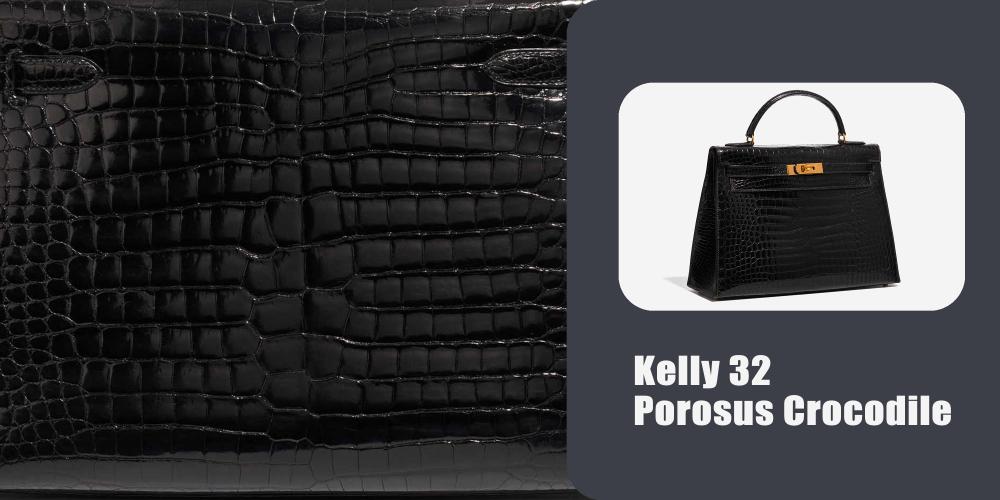
Three qualities set Hermes exotics apart:
1. Scale structure
Exotic skins have rigid or semi rigid scales. This affects how light hits the surface, how the bag wears, and how it should be cleaned.
2. Finishing techniques
Hermes finishes exotic skins with either a glossy sheen or a matte surface. Both finishes change coloration, maintenance, and aging.
3. Scarcity and craftsmanship
Exotic bags require specialized cutting and sewing due to scale direction. Small misalignments can ruin symmetry, which is why artisans are specially trained for these skins.
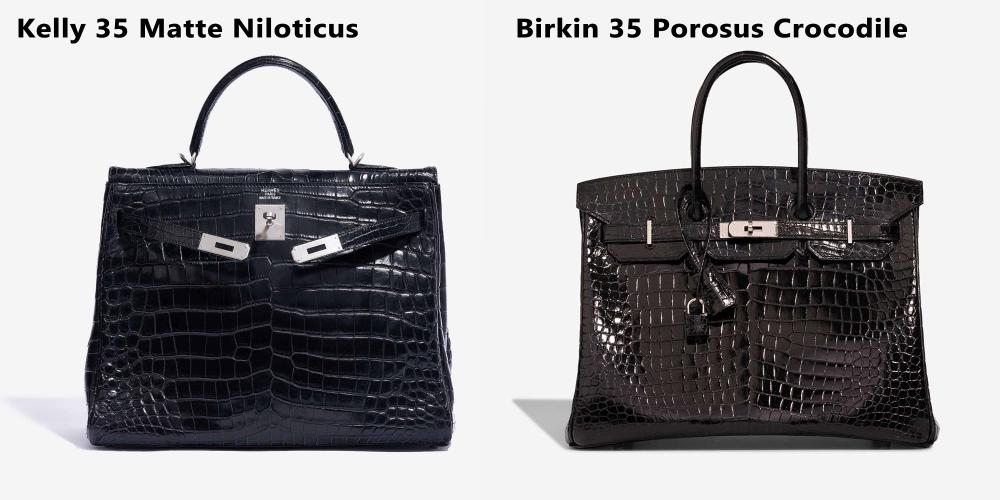
The Main Exotic Leathers You Will See From Hermes
Hermes works with several exotic skins, though crocodilian leathers remain the most iconic. Here is how each material behaves and what makes it distinct.
1. Crocodile Niloticus
Crocodile Niloticus comes from the Nile region. It has large, smooth scales that look dramatic and command attention. Niloticus absorbs dye beautifully, which is why bright colors like Rose Shocking or Bleu Electrique appear so rich. Bags made in this skin often have a bold presence and photograph well because the scales reflect light.
Niloticus is available in two finishes.
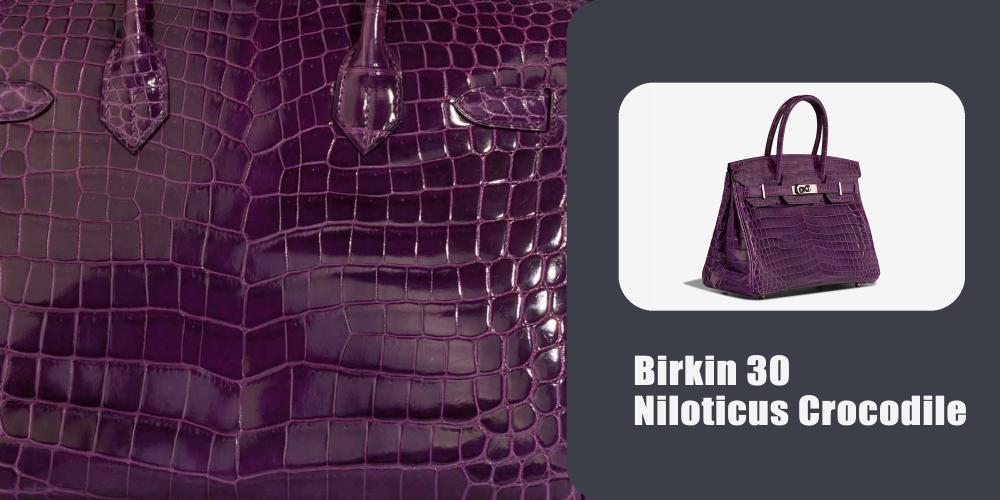
Glossy Niloticus
Hermes uses a polishing stone to create a mirror like shine. This finish brightens the scales and adds depth. Over time, glossy Niloticus becomes less reflective if it is not stored well, though with proper care the shine can remain intense for years.
Matte Niloticus
Matte Niloticus has a natural look. It absorbs oils from the hands, which produces gradual patina. The patina is considered desirable because it softens the contrast between scales and creates an elegant lived in tone.
2. Crocodile Porosus
Crocodile Porosus comes from Southeast Asia and Australia. It is the most exclusive of all Hermes exotic skins. Porosus has a tighter, more refined scale pattern. When polished, the shine is extremely reflective, which is why collectors prize Porosus for high shine finishes and rare color executions.
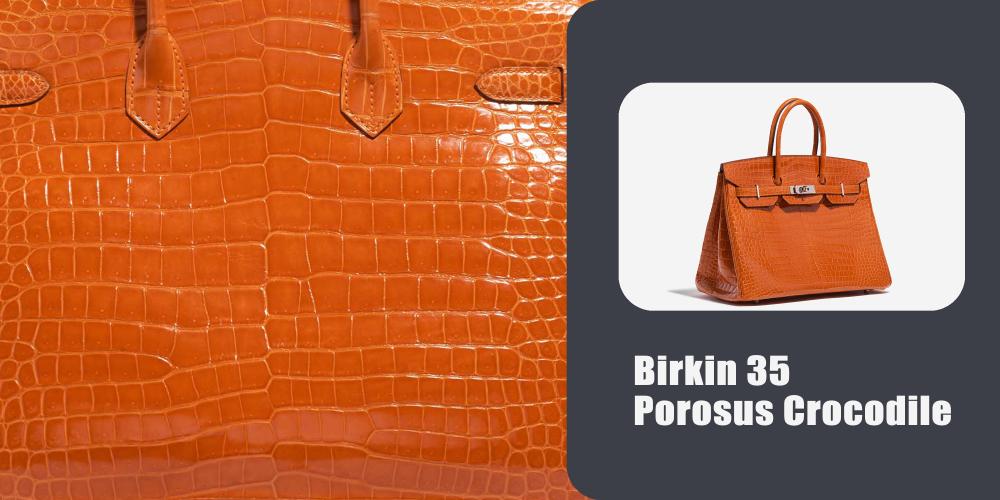
Glossy Porosus
Collectors view glossy Porosus as the standard bearer for exotic luxury. The scales appear almost glass like when polished. The finish also resists dulling better than other glossy skins, provided the bag is kept away from humidity.
Matte Porosus
Matte Porosus feels velvety. It is smoother than matte Niloticus and grows more supple with wear. This finish suits natural and pastel colors because the matte surface softens them.
3. Alligator Mississippiensis
Alligator skin has a different grain layout. The scales in the center are rectangular, while the edges show rounder pebble like shapes. Hermes uses Alligator for structured bags because it combines visual impact with durability.
Alligator tends to be slightly less dramatic in shine than Porosus but still elegant. It handles saturated colors extremely well.
4. Lizard (Varanus Niloticus)
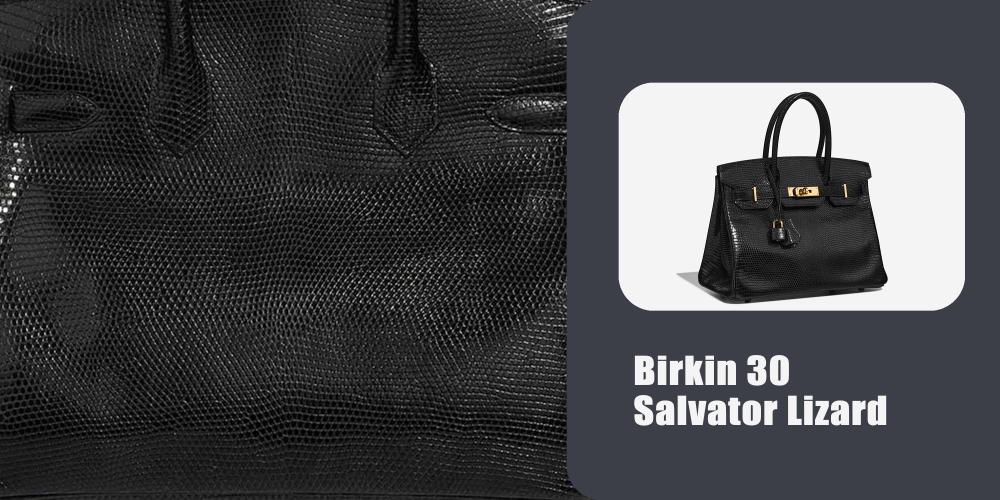
Hermes lizard leather is instantly recognizable by its tiny, bead like scales. It has a jewel like sheen even in matte versions. Most Hermes lizard bags have a glossy finish because the small scales catch light easily.
Lizard is delicate. The scales are thin and sensitive to dryness, so lizard bags require thoughtful storage and strict protection from heat.
5. Ostrich
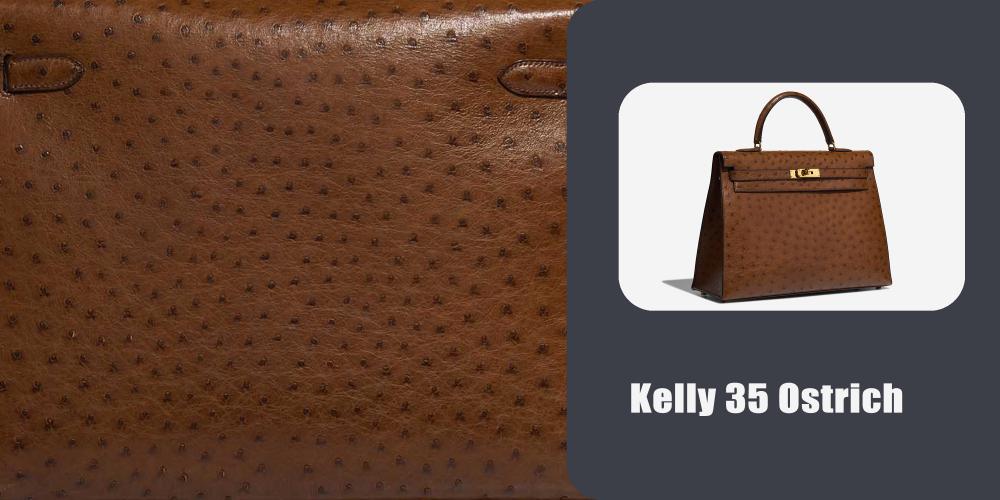
While not technically reptile, ostrich is considered exotic because of its quill pattern. It is soft, durable, and more forgiving than crocodile or lizard. Ostrich holds color extremely well and gains a soft shine as it ages. It is one of the easiest exotic leathers to maintain.
The Ethics Behind Hermes Exotic Leathers
Exotic leather often raises questions about animal welfare, trade rules, and sustainability. Hermes addresses these concerns through controlled supply chains and compliance with international standards.

Here are the key ethical points you should understand.
Regulated Species and CITES Requirements
All Hermes exotic leathers fall under CITES. This global agreement regulates the trade of endangered species and requires strict paperwork. Every exotic Hermes bag comes with a CITES certificate when purchased within or transported across international borders.
CITES oversight ensures that skins come from monitored populations, not unregulated environments.
Farm Sourcing and Welfare
Hermes sources its crocodilian skins from farms that follow guidelines for humane treatment. These farms maintain controlled environments that include consistent water quality, room for movement, and regulated feeding practices.
Hermes has also invested in some of these farms directly. That investment gives the company more control over standards and ensures traceability from farm to atelier.
Transparency and Supply Chain Control
One of Hermes strengths is its vertical integration. For exotic skins, this means tighter control over:
- Where animals are raised
- How they are handled
- The tanning and finishing processes
- Chain of custody documentation
This control helps reduce the risk of illegal sourcing and ensures higher welfare expectations.
Environmental Responsibilities
Floodplain restoration and habitat protection programs in key regions help maintain healthy crocodile populations. Many farms participating in global trade contribute funds and research that support conservation.
Hermes participates in these programs through partnerships and mandatory compliance.
How Exotic Leather Differs From Standard Hermes Leathers
Togo and Clemence are popular everyday leathers due to their softness and grain. Exotic skins behave differently. Here are the core differences that affect care and wear.
Structure
Crocodilian leathers are naturally rigid. A Birkin or Kelly in Porosus will keep a crisp shape longer than one in Togo. Lizard is firm but thinner. Ostrich softens gently over time.
Sensitivity
Matte exotics absorb oils more easily. Glossy exotics can react to humidity. Lizard is sensitive to dryness and UV exposure. These sensitivities are normal but require attention.
Scratch Resistance
Matte Niloticus and matte Porosus resist scratches more than glossy versions. Glossy exotics are not fragile but can show marks if scuffed against abrasive surfaces. Lizard is more vulnerable to corner wear.
Color Shifts
Matte skins darken slightly with natural oils. Glossy skins stay consistent if stored well. Ostrich darkens in high contact areas, which creates a warm and appealing patina.
How to Care for Hermes Crocodile Bags
Crocodile needs consistent but gentle care. Here is how to keep both matte and glossy versions in excellent condition.

Storage
Store crocodile bags upright in their dust bag with the handles supported. Keep the bag in a cool, dry space. Avoid humidity because glossy finishes can cloud if exposed for long periods.
Never wrap the bag tightly in plastic. This traps moisture and can cause the scales to lift.
Conditioning
Crocodile should not be conditioned often. Over conditioning can soften scales or cause uneven absorption. A light wipe with a lint free cloth once per month is enough.
For matte skins, natural body oils from handling can help create a smooth patina, so resist the urge to over clean.
Cleaning
Use a dry, soft cloth. Avoid water. If a spill occurs, dab gently and contact a professional. Do not rub. Rubbing can push moisture under the scales.
Handling
Hold matte crocodile with clean hands. Oils are fine but dirt is not. For glossy crocodile, avoid contact with alcohol based products because they can dull the finish.
How to Care for Hermes Lizard Leather Bags
Lizard leather is beautiful but delicate. Follow these steps for long term preservation.
Keep It Away From Heat and Sunlight
Heat can cause scales to shrink. Sunlight can lighten or fade color. Store lizard bags in a breathable cloth dust bag in a shaded area.
Maintain Humidity Balance
Lizard leather dries out faster than crocodile. A low humidity environment can make the scales brittle. A stable room temperature with moderate humidity works best.
Do not use moisturizers or oils. These products can stain lizard leather.
Clean Only When Needed
Dust with a microfiber cloth. If you see residue between scales, use a barely damp cotton swab, then dry immediately. Never soak the leather.
Be Gentle During Use
Avoid placing a lizard bag on rough surfaces. Corners can wear quickly. Use the bag on clean, smooth tabletops or hold it in hand.
How to Care for Hermes Ostrich Leather Bags
Ostrich is more forgiving than reptile skins.
Let the Patina Happen
Ostrich darkens where it is touched. This is part of its charm. Do not try to prevent natural darkening because it is inevitable and makes the leather more beautiful.
Clean Sparingly
A dry microfiber cloth is enough. Every few months, a highly diluted leather cleaner (approved for exotic skins) may be used. Test first on a hidden spot.
Protect From Water
Ostrich handles moisture better than other exotics, but water can still leave marks. If drops land on the surface, blot quickly.
If you want to know more about Hermès, visit our Hermès blog.
How to Keep Exotic Hermes Bags Safe In Real Life
You can enjoy exotic leather daily if you take small steps to protect it.
Rotate your bags
Using the same exotic daily accelerates wear. Rotate between materials.
Watch out for jewelry and hardware
Rings, bracelets, and even zippers from other bags can scratch glossy exotics.
Use bag organizers sparingly
Organizers add structure, but some have rough edges. Choose soft felt or cotton versions.
Avoid overstuffing
Too much internal pressure can stretch scale edges over time.
When to Seek Professional Care
There are times when home maintenance is not enough. Contact a professional Hermes spa or a specialist when:
- Scales begin to lift
- You notice clouding on glossy crocodile
- Lizard begins to look dry or cracked
- You see color loss on corners
- Water stains appear
Hermes artisans can polish, reshape, and restore exotic skins safely. This type of work requires experience and specific tools.
How Ethical Sourcing Affects Care Choices
When you treat exotic leather with respect, you honor the resources and craftsmanship behind it. The effort put into maintaining the bag mirrors the effort taken to source and finish the materials responsibly.
Caring for exotic leather also:
- Extends the lifespan of the bag
- Reduces waste
- Helps preserve its value in resale markets
- Supports sustainable luxury practices
Owning an exotic Hermes bag is a commitment. With mindful storage, cleaning, and handling, you honor both the artistry and the animal from which the leather came.
If you want to know more about Hermès fashion, you can visit our Hermès blog.
Final Thoughts
Hermes exotic leathers combine rarity, beauty, and craft. Understanding the ethics behind sourcing and the proper methods of care helps you enjoy them with confidence. Each skin has its own personality, and giving each the right attention ensures it remains strong and striking for years.
Whether you are drawn to the shine of glossy Porosus, the softness of matte Niloticus, the precision of lizard scales, or the warm patina of ostrich, the same rule applies. Respect the material, store it well, handle it with intention, and know when to call in a professional. With the right care, exotic Hermes bags become heirlooms.