Worldwide tracked delivery · Carefully selected quality · Personal order support

How Hermes Bag Leather Patina Develops Over Time: What Aging, Wear, and Use Reveal About Each Leather
Dec 22, 2025
By
Sophia Whitmore
0 comment(s)
Introduction
Hermes bags are often described as investments, but that word misses something important. These bags are meant to be used. Over time, Hermes leather patina develops in ways that tell a personal story. Handles darken where hands rest. Corners soften. The surface gains depth rather than damage. For many collectors, this gradual change is the real appeal.
This article explains how aging Hermes bags change with use, why different leathers develop patina differently, and what kind of wear you can expect over the years. If you are deciding which leather suits your lifestyle, understanding Hermes bag leather wear is essential.
What Is Leather Patina and Why It Matters
Patina is the natural change that happens to leather as it is exposed to light, air, oils from skin, and daily movement. It is not the same as stains or neglect. A good patina looks intentional, even elegant. On Hermes bags, patina often shows up as deeper color, a softer feel, and subtle sheen.
Hermes leather patina matters because Hermes uses high quality, minimally coated leathers. These leathers are designed to age, not stay frozen in time. Instead of cracking or peeling, they evolve. That evolution is what separates a well-loved Hermes bag from one that simply looks worn out.
Why Hermes Leathers Age Differently
Not all Hermes leathers age the same way. The tannage, grain, finish, and thickness all play a role. Some leathers darken quickly. Others resist visible change for years. Some soften dramatically. Others hold their structure.
Lifestyle also matters. A bag carried daily in all seasons will age faster than one used only for special occasions. Climate, hand lotions, and how the bag is stored all affect how Hermes bag leather wear shows up over time.
Vachetta Leather: The Most Visible Patina
Vachetta is one of the most reactive leathers Hermes uses. It starts very light, almost pale beige. Over time, it darkens significantly, especially on handles and straps.
In the first year, vachetta begins to take on a honey tone. With regular use, it deepens into caramel or even light brown. Sun exposure speeds this up. Oils from hands create darker areas where the bag is touched most.
Vachetta also softens noticeably. It starts firm and smooth, then becomes more supple. Small marks and water spots are common early on, but many collectors embrace these as part of the aging process.
For people who love visible Hermes leather patina and do not mind change, vachetta tells the strongest aging story.
Barenia: Rich, Oily, and Character Driven
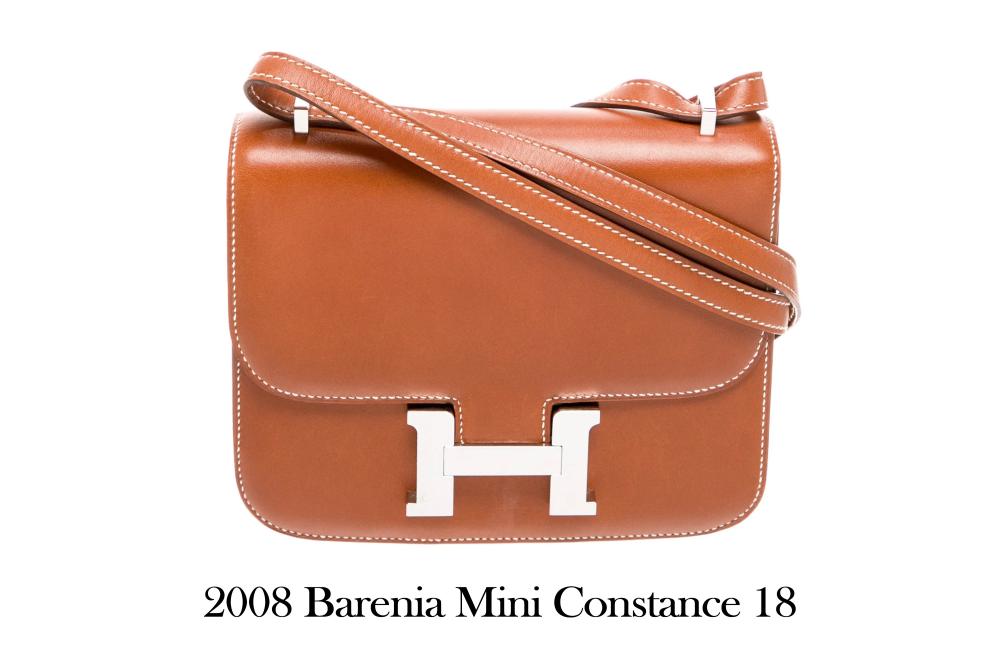
Barenia is famous for its ability to age beautifully. It is an untreated calfskin with natural oils, originally developed for saddlery. When new, it has a matte finish and a warm, slightly waxy feel.
Over time, Barenia darkens evenly and develops a deep glow. Scratches often blend back into the surface as the oils redistribute. With years of use, Barenia can take on a glossy sheen, especially on handles and flaps.
Hermes bag leather wear on Barenia looks intentional rather than accidental. It is forgiving and expressive. Bags made from Barenia often look better after a decade than they did when new.
This leather suits people who want a bag that reflects use without looking fragile.
Box Calf: Structured Patina with Polish
Box calf is smooth, firm, and refined. It has been used by Hermes for decades and is known for its elegant appearance. When new, it looks sleek and almost formal.
As it ages, Box calf develops a subtle patina rather than dramatic color change. The leather becomes softer and gains a gentle shine. Fine lines appear near folds and handles, especially on structured bags like the Kelly.
Scratches are more visible on Box calf, but they can often be polished out. Over time, the bag looks less rigid and more relaxed, without losing its shape.
For those who appreciate understated aging Hermes bags, Box calf offers quiet character rather than bold transformation.
If you want to know more about Hermès, visit our Hermès blog.

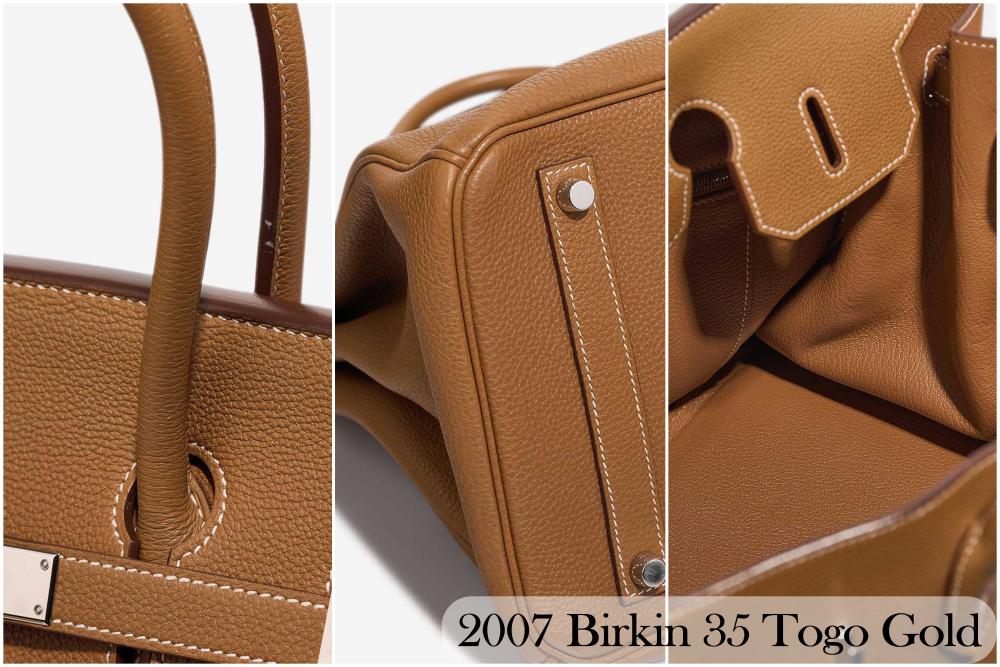
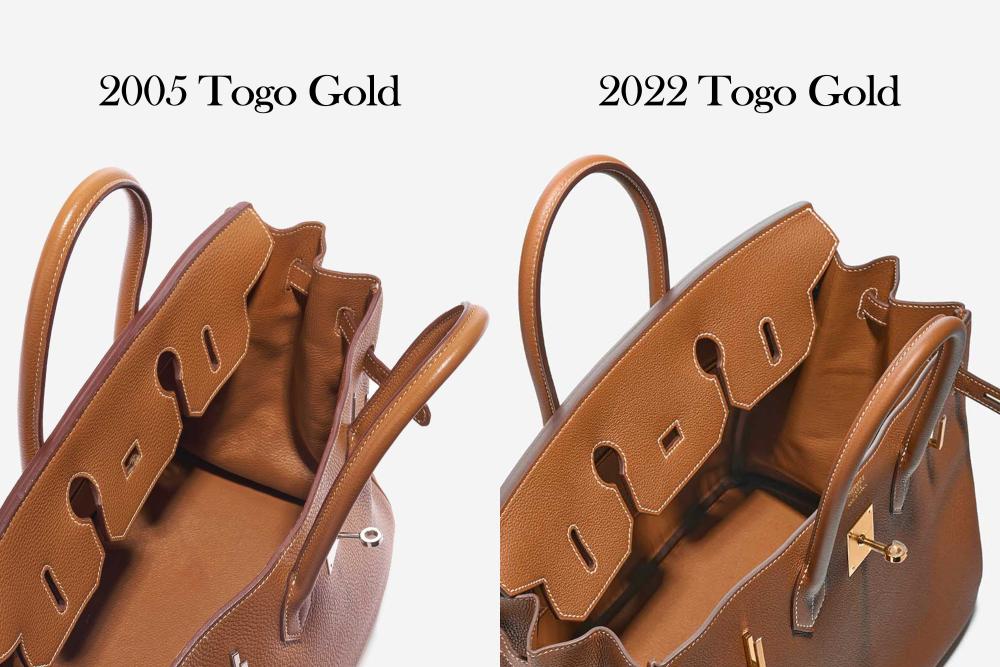
Togo: Durable with Minimal Patina
Togo is one of the most popular Hermes leathers today, especially for Birkin and Kelly bags. It is a grained calfskin with a soft but resilient feel.
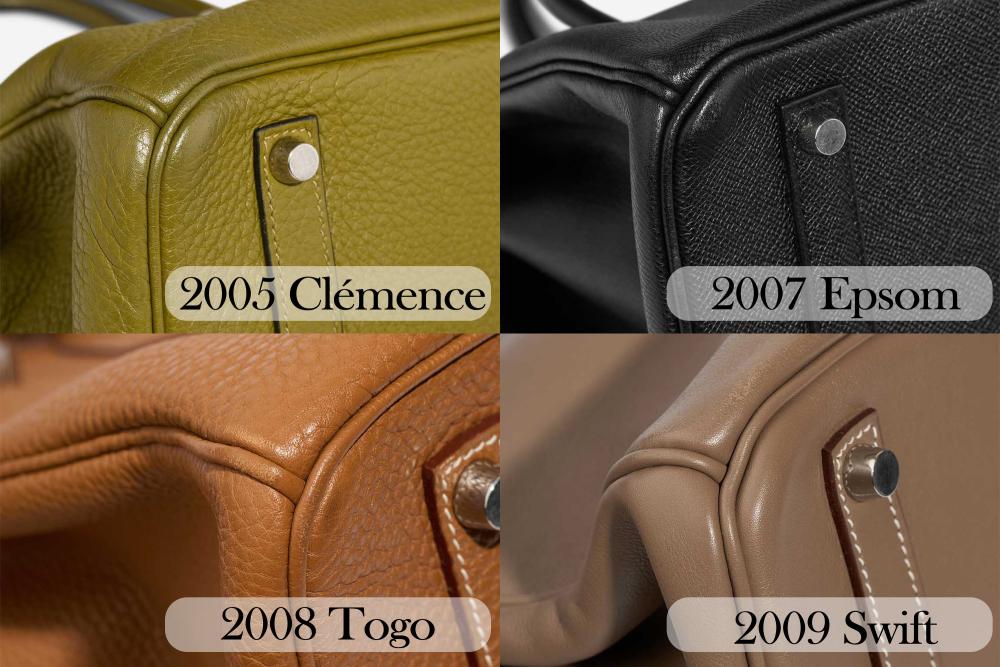
Compared to smoother leathers, Togo shows less obvious patina. The grain hides scratches and wear well. Over time, it becomes slightly softer and more slouchy, particularly at the base.
Color change is minimal. Handles may darken slightly, but the overall look stays consistent. This makes Togo a good choice for people who want durability without dramatic aging.
Hermes leather patina on Togo is subtle and practical, reflecting use without calling attention to it.
Clemence: Softening Over Time
Clemence is heavier and slouchier than Togo. When new, it can feel thick and slightly stiff. With use, it relaxes quickly.
The most noticeable change in Clemence is shape rather than color. The bag becomes more fluid and comfortable to carry. Corners soften, and the leather feels broken in.
Patina appears slowly. Handles may darken a bit, and the surface can develop a gentle sheen. Clemence does not show sharp creases or high contrast wear.
For those who like a casual look and value comfort, aging Hermes bags in Clemence feel lived-in rather than aged.
Epsom: Designed to Resist Aging
Epsom is an embossed leather with a stamped grain. It is lightweight and holds structure well. Because of its finish, it resists patina more than most Hermes leathers.
Over time, Epsom shows very little change. It does not soften much, and color stays consistent. Corners can show wear if the embossing rubs off, but overall aging is minimal.
This leather is ideal for people who want their bag to look new for as long as possible. However, collectors who love Hermes leather patina often find Epsom less satisfying because it tells less of a story.
Swift: Smooth and Sensitive
Swift is a smooth calfskin with a soft, almost velvety feel. It absorbs oils easily and shows marks quickly.
As Swift ages, it darkens slightly and develops a gentle sheen. Handles show patina first. Scratches are common but can often be massaged out with use.
The leather becomes more supple over time, making the bag feel luxurious but delicate. Swift rewards careful handling and regular use rather than rough treatment.
This leather suits people who enjoy tactile beauty and are comfortable with visible Hermes bag leather wear.
Chevre: Light and Refined Aging
Chevre is a goatskin leather known for its fine grain and light weight. It is durable and resistant to scratches compared to its smooth appearance.
Patina on Chevre is subtle. It does not darken dramatically, but it does gain softness and a slight glow. Handles may show gentle wear over time.
Because of its strength, Chevre bags often look remarkably good even after years of use. Aging Hermes bags in Chevre tend to appear refined rather than worn.
Where Patina Shows Firs
No matter the leather, certain areas show change before others. Handles are the most obvious. Constant contact with hands transfers oils and warmth, accelerating darkening and softening.
Corners are another key area. They experience friction from setting the bag down and brushing against clothing. On grained leathers, this may appear as smoothing. On smooth leathers, it may show as light scuffing.
Flaps and strap attachment points also develop patina as they bend and flex. These changes are signs of use, not flaws.
How Time and Care Influence Aging
Time alone does not create beautiful patina. Careful use matters. Storing the bag properly, avoiding excessive moisture, and letting the leather breathe all help.
Over-conditioning can harm patina by clogging the leather. Hermes leathers generally need less product than people think. Often, regular use and occasional gentle cleaning are enough.
Rotating bags also affects aging. A daily bag will develop character faster than one used a few times a year. Neither approach is right or wrong. It depends on what story you want your bag to tell.
Choosing the Aging Story You Love
Understanding Hermes leather patina helps you choose a bag that fits your expectations. If you love visible change and personal character, leathers like Vachetta and Barenia are ideal. If you prefer subtle evolution, Box calf, Chevre, or Togo may suit you better. If you want minimal aging, Epsom offers stability.
Aging Hermes bags are not about perfection. They are about relationship. The marks, softening, and color shifts reflect how the bag fits into your life.
Climate and Environment Effects on Patina
Where you live has a real impact on how Hermes leather patina develops. In warm, sunny climates, leather darkens faster due to UV exposure. Handles and top panels are especially affected. In humid environments, leather tends to soften more quickly, which can accelerate slouching in softer leathers like Clemence.
Cold, dry climates slow down visible aging but can make leather feel stiffer if not used regularly. Seasonal changes also matter. A bag carried through summers and winters will show a more complex aging pattern than one used only indoors.
Understanding your environment helps set realistic expectations for aging Hermes bags over time.
How Color Choice Influences Visible Aging
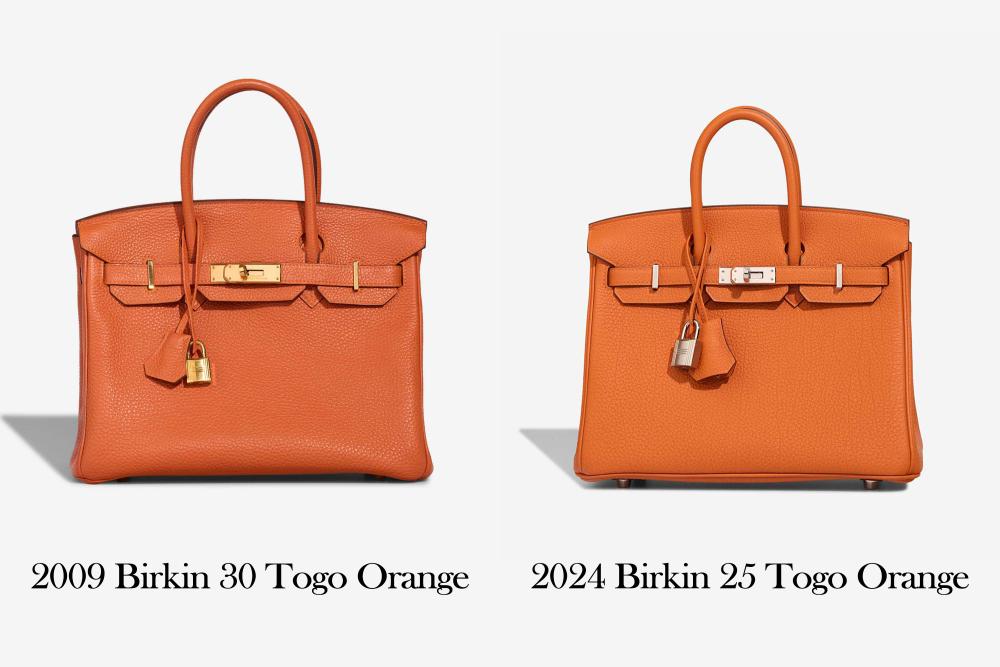
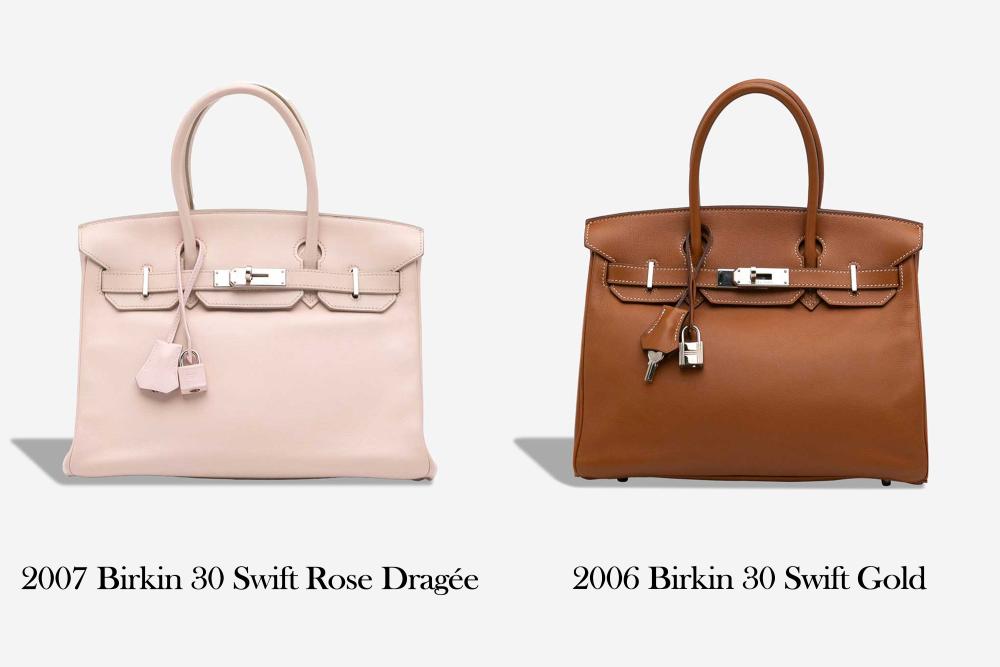
Leather color plays a major role in how patina appears. Lighter colors show change more clearly. Gold, Etoupe, and natural tones reveal darkening and wear faster than black or deep blues.
Dark colors still develop patina, but it is more about texture and sheen than color shift. Black Box calf, for example, may look almost unchanged for years, yet feel noticeably softer and more polished with use.
If you enjoy watching transformation happen, lighter shades highlight Hermes bag leather wear in a way darker colors do not.
If you want to know more about Hermès fashion, you can visit our Hermès blog.
Patina and Resale Perception
Patina affects resale value differently depending on the buyer. Some collectors actively seek well-aged Hermes bags, especially in Barenia or Box calf. They value the depth and character that only time can create.
Others prefer pristine condition. For these buyers, visible wear may lower appeal. This is why certain leathers like Epsom dominate the resale market.
Understanding this balance is important. If resale is a priority, subtle patina leathers may be safer. If personal enjoyment comes first, choosing a leather you love to use matters more than future opinions.
Common Myths About Hermes Leather Aging
One common myth is that all wear is damage. In reality, much of what people call wear is simply patina. Softening, darkening, and light scuffing are expected outcomes of use.
Another myth is that patina means poor care. Over-cleaning and over-conditioning often do more harm than gentle use. Hermes leathers are designed to age with minimal intervention.
Finally, some believe bags should look new forever. Hermes craftsmanship assumes the opposite. These bags are meant to live, not sit untouched.
Visualizing Patina Over Time
Before-and-after images of the same Hermes bag over years tell a powerful story. Early photos show crisp edges and uniform color. Later images reveal softened lines, richer tones, and natural shine.
Close-ups of handles often show the most striking change. What starts pale and matte becomes darker and smooth. Corners may round slightly, losing sharpness but gaining comfort.
These visuals help normalize aging Hermes bags and show how beauty develops gradually, not overnight.
Patina as Personal History
Ultimately, Hermes leather patina is about personal history. Two identical bags bought on the same day will age differently based on how they are carried, where they travel, and who holds them.
That individuality is part of the appeal. The bag becomes less of an object and more of a companion. Its changes reflect habits, routines, and moments.
When you understand this, Hermes bag leather wear stops being something to manage and becomes something to appreciate.
Conclusion
Hermes bag leather wear is not something to fear. It is something to understand. Each leather has its own rhythm and response to time. By choosing the right leather and embracing its evolution, you allow your bag to become uniquely yours.
Hermes leather patina is not a flaw. It is the record of use, care, and years well spent.