Worldwide tracked delivery · Carefully selected quality · Personal order support

From Hide To Handbag: The Hermes Tanning Story And The Craft Behind Iconic Leather Bags
Dec 7, 2025
By
Sophia Whitmore
0 comment(s)
Introduction
Hermes is known for turning simple materials into objects that feel alive in your hands. Its handbags start long before a craftsperson picks up a needle. The story begins with a raw hide, fresh from the farm, long before any shape or color is decided. What happens between that moment and the first cut on the workbench is a mix of tradition, chemistry, and human skill that has been refined over generations. The tannery is where the hide gains strength, depth, and character, layer by layer. Every decision made in this early stage—how the hide is cleaned, how it absorbs dye, how the grain is preserved—will influence how the final handbag moves, ages, and feels. This long and deliberate journey is the reason Hermes leather looks alive and carries a sense of quiet authority even before the first stitch is sewn.
If you want to know more about Hermès, visit our Hermès blog.
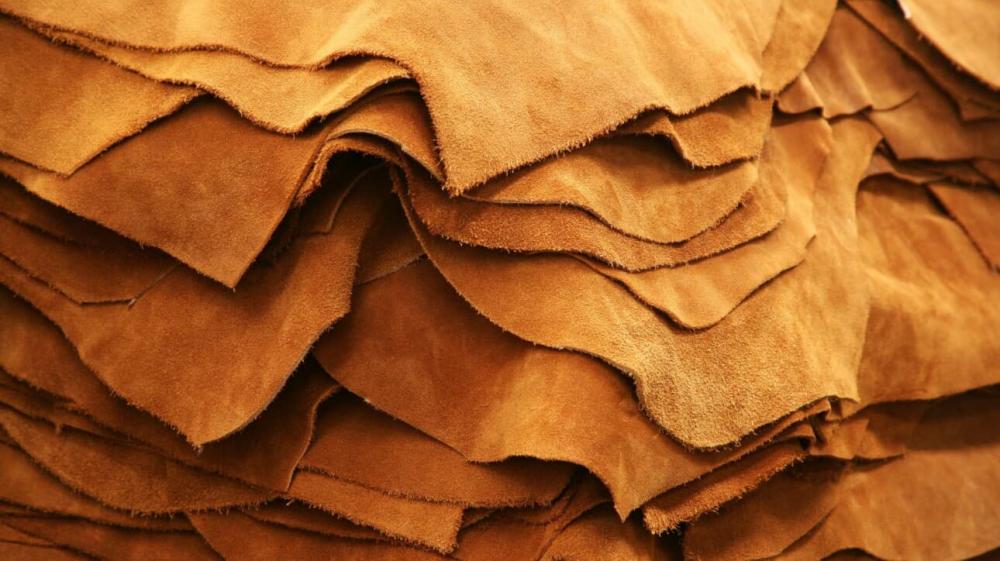
The Start: Choosing the Right Hide
Hermes cannot create a great leather without a hide that already has character. The brand has strict criteria for grain quality, fiber structure, thickness, and consistency. Each hide is checked by trained graders who look for even tone, minimal marks, and balanced strength.
Hermes works closely with select farms and suppliers. The relationship is long term, and every farm follows animal welfare standards that influence the health of the skin. Poor handling leaves scars or weak fiber. Good care produces smooth grain and even density. At this stage, nothing is cut or trimmed. The focus is on selecting hides that can become premium materials after tanning.
Once the hides arrive at a Hermes partner tannery, they are sorted by size, weight, thickness, and final product category. Calf for box leather and swift, young bull for togo, goat for chèvre, and so on. Each category will follow its own tanning recipe.
Step One: Preparation
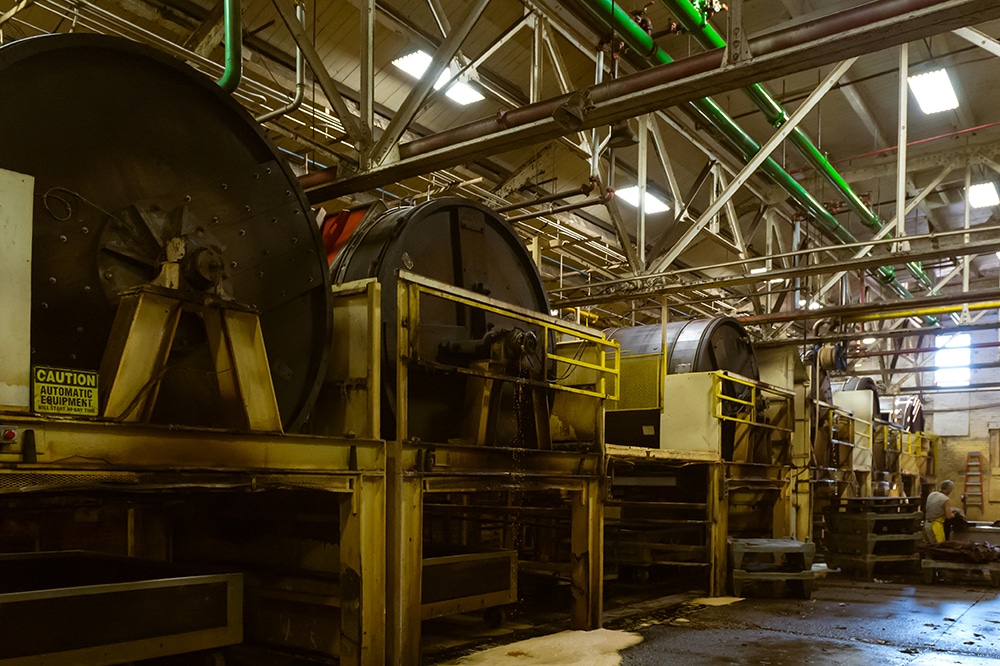
Before anything can be tanned, the hides must go through a long preparation cycle.
Soaking
Salted hides are soaked to wash away dirt and restore natural moisture. Tanners use rotating drums filled with clean water to swell the fibers and make the hide workable.
Liming
Liming removes hair and loosens the collagen structure so chemicals in later steps can enter evenly. The balance is delicate. Too much liming weakens the fibers. Too little leaves the surface tight and difficult to penetrate. Hermes partners adjust the formula depending on hide type and desired final feel.
Fleshing
The inner fat and tissue are shaved away. This improves uniformity and prepares the hide for tanning. It also influences how clean the grain will look later.
Splitting
If the hide is too thick, it is split into layers. The top layer is the grain layer, used for Hermes leathers. The lower layers become suede or other split leathers. For most Hermes bags, the full grain remains intact to preserve character and strength.
At the end of this phase, the hide is ready for tanning.
Step Two: Tanning, The Heart of the Transformation
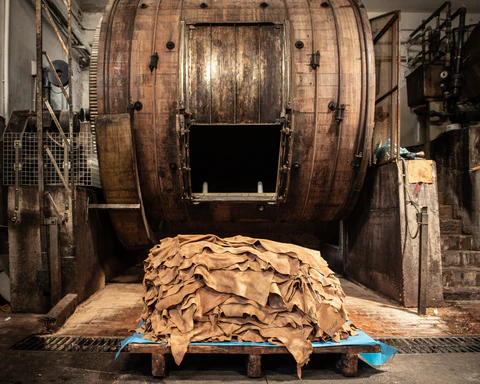
Tanning locks the protein fibers so the hide can no longer rot. This is the moment where raw skin turns into stable leather.
Hermes uses both vegetable tanning and mineral tanning, depending on the leather. Each method gives a different result.
Vegetable Tanning
This method uses tannins from tree bark, roots, and leaves. It takes weeks. The leather becomes firm, structured, and warm in tone. This method suits box calf and other classic Hermes materials that must hold a crisp shape.
The hides move through pits or large drums filled with tannin solutions of increasing strength. The process is slow, patient, and meticulous. The fibers take in tannins gradually, which keeps the final leather supple while preserving structure.
Chrome Tanning
Chrome salts create a softer, more flexible feel. This process is faster but still highly controlled. Chrome tannage gives a cooler tone and better resistance to water and scratches. Swift and togo rely on this method.
During chrome tanning, hides are loaded into drums with chromium salts at controlled pH levels. The mixture moves through stages until the chrome molecules bond permanently with the collagen. At the end, the hides take on a pale blue color known as wet blue.
Combination Tanning
Some Hermes leathers use both vegetable and chrome tannage. Chrome gives softness. Vegetable tannins add body. This blend creates materials that drape nicely but still hold shape under the craftsperson’s hands.
Step Three: Re Tannage And Dyeing
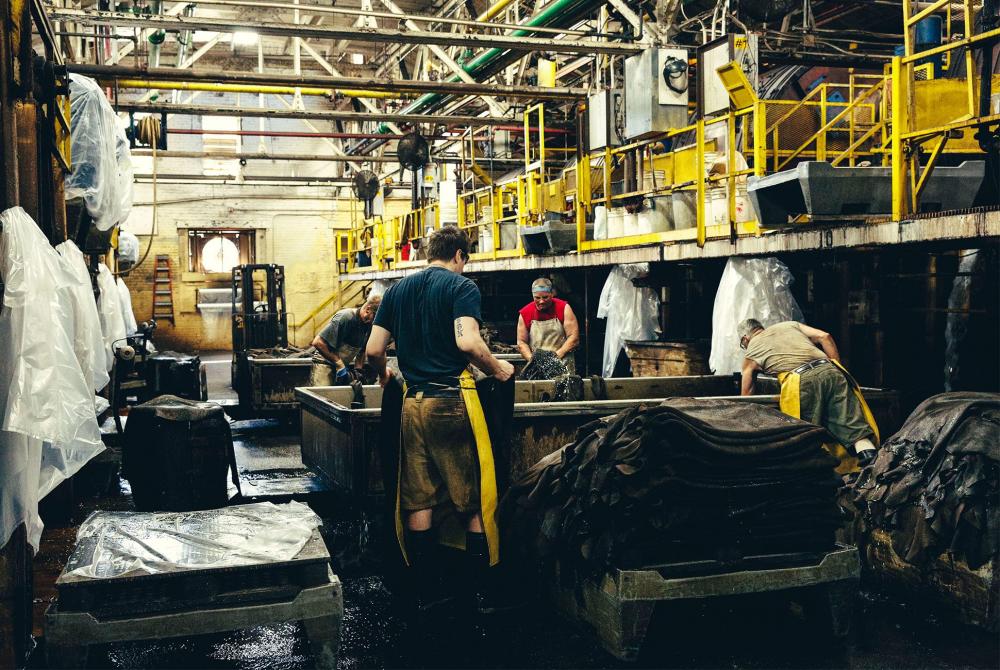
Once tanned, the leather needs depth, color, and the right handling characteristics. This is where retannage and dyeing shape the final identity.
Retannage
Tanners add oils, resins, and extra tanning agents to create a precise feel. Some Hermes leathers must drape like fabric. Others need tight grain and strong body to support structured bags. Every recipe is adjusted by hide type and intended use.
Dyeing
Hermes is known for bold color. That color does not appear at the end. It begins here. The drum dyeing stage penetrates the fibers so the color runs through the leather, not just on the surface. This gives Hermes bags their deep, even tone and helps them age gracefully.
Each dye batch is controlled for temperature, time, and chemical balance. Hermes seeks uniformity without losing natural grain. If a hide shows uneven absorption, it will be diverted to another product. Only the best continue on.
Step Four: Drying And Conditioning
After dyeing, the leather must dry slowly. If it dries too fast, the fibers stiffen. If too slow, moisture remains trapped.
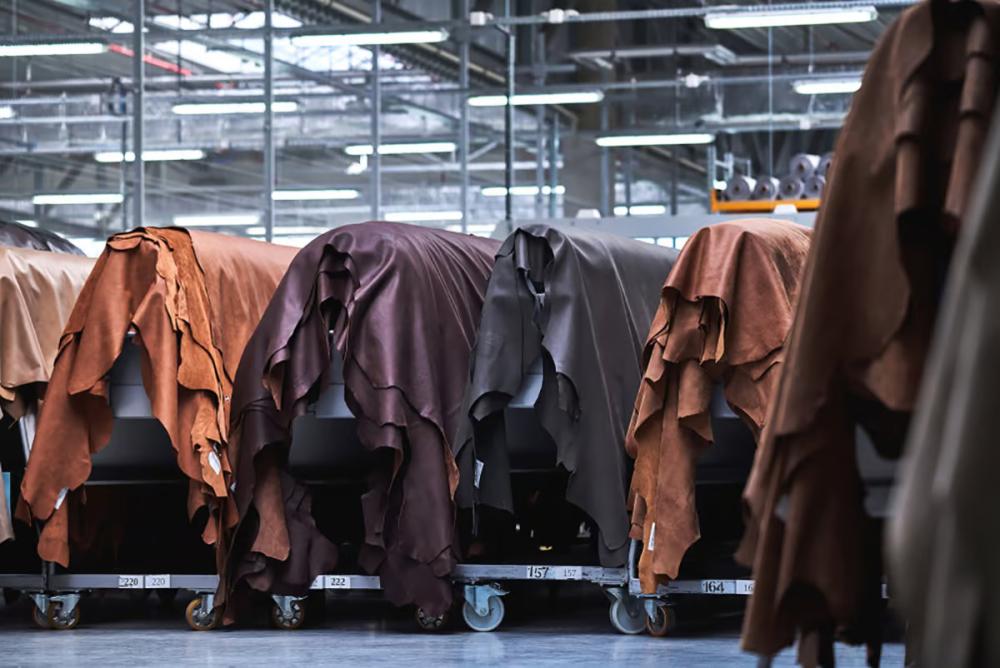
Setting Out
The hides are stretched and smoothed to remove excess water.
Vacuum Drying
Some Hermes leathers use vacuum drying to pull moisture out evenly.
Air Drying
Others hang for several days in controlled rooms. The goal is consistent moisture content across the entire hide.
Conditioning
Tanners add oils and waxes to keep the fibers flexible. This stage is key for feel. Hermes leathers are known for smooth handfeel that is neither too oily nor too dry. Conditioning creates that balance.
If you want to know more about Hermès fashion, you can visit our Hermès blog.
Step Five: Finishing, The Signature Stage
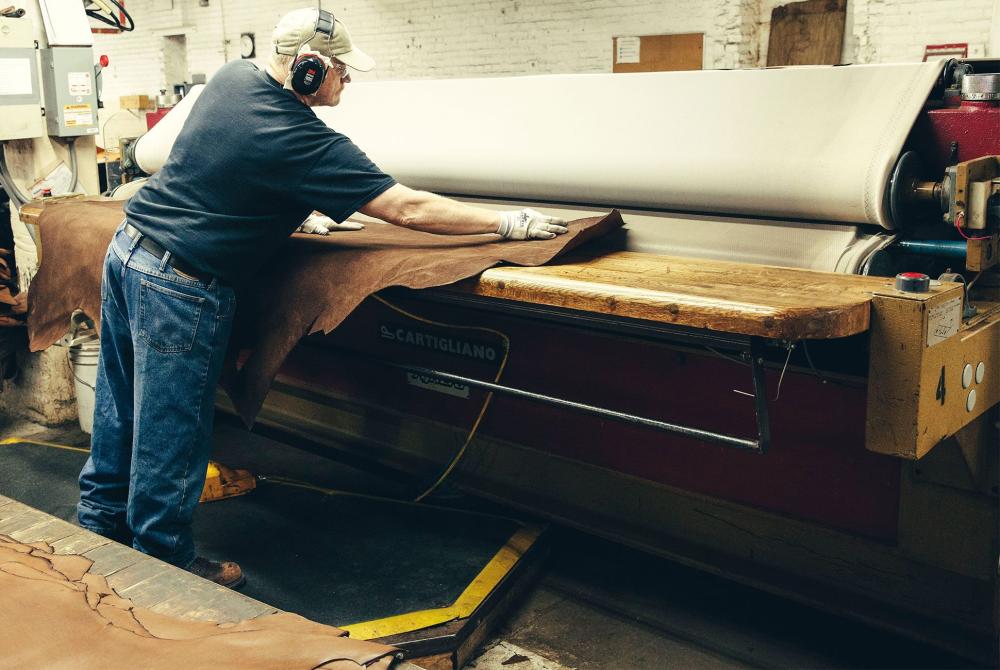
Finishing is the art of shaping the surface. It determines grain, shine, texture, and the personality of the leather.
Staking
The hide is softened by controlled mechanical stretching. This opens fibers and gives the leather a relaxed hand. Togo and clemence get more staking for their casual feel. Box calf gets less to keep its smooth tension.
Buffing
Some leathers are lightly buffed to refine grain or remove small flaws. Hermes keeps buffing minimal because it prefers natural grain.
Pigment And Top Coat
Hermes finishes rely on thin, high quality coatings. The goal is to let the grain show while protecting the surface. Too much coating would hide character. Too little reduces durability. This balance is one reason Hermes leathers hold detail during stitching and shaping.
Embossing
For materials like Epsom, embossing creates a pressed grain. This gives strength, lightness, and scratch resistance. Hermes embossing is crisp and consistent, thanks to high precision plates and pressure controls.
Final Inspection
Every hide goes through inspection under direct light. Even small variations can affect how it will look on a finished Birkin or Kelly. Any hide that does not meet Hermes standards is rejected or redirected to smaller accessories.
Step Six: Cutting And Selection For Handbag Production
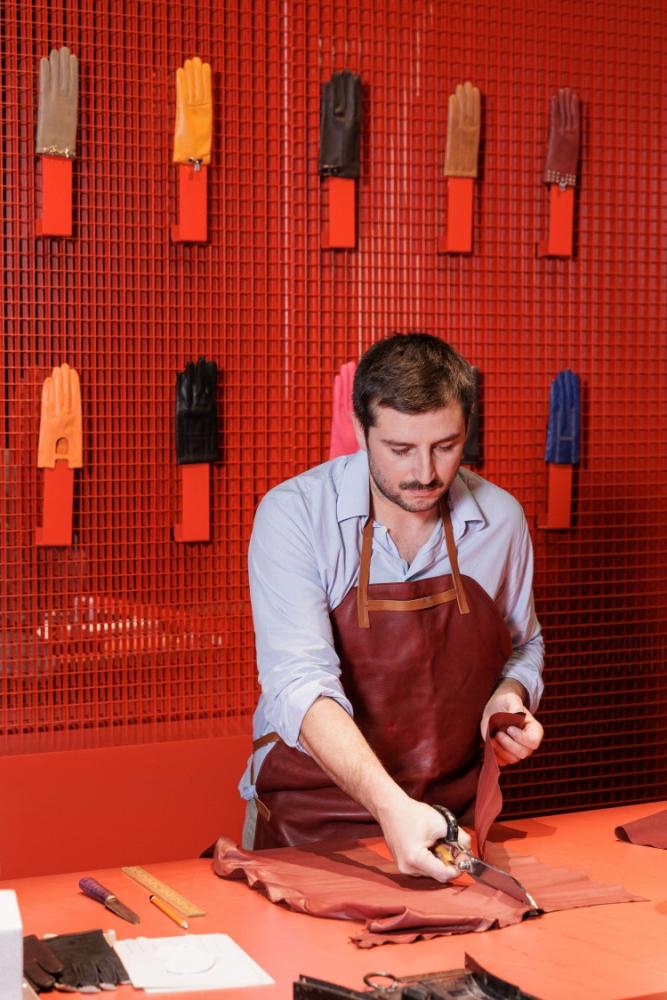
Once finished, the leather reaches the Maroquinerie workshops where artisans select the best sections. The craftsperson responsible for the bag chooses the hides that will match in color and grain.
Hermes bags are cut by hand or with guided tools. Matching panels is a careful process. The front, back, flap, and gussets must align in tone and feel. Even slight grain shifts can break the harmony. Each bag uses parts of the hide that best suit the panel’s purpose. Firmer areas become structural pieces. Softer areas become pockets or gussets.
Step Seven: Assembly And Stitching
This article focuses on tanning, yet it helps to see the broader picture. Once the leather is prepared, Hermes artisans stitch the bag with the brand’s signature saddle stitch. The stitch is done by hand using two needles that pass through the same hole from opposite sides. The tension holds the seam for decades.
Edges are dyed, waxed, and polished. Hardware is added. Every part must complement the leather, not overshadow it.
Why The Tanning Process Matters
The Hermes tanning process is slow and intentional. It gives the bags their structure, resilience, and depth of color. Grain stays natural. Fibers stay strong. The leather responds to tools without cracking. The finishing blends color with a protective coat that stays thin enough for the surface to breathe.
This is why Hermes bags age well. The leather does not dry out quickly. The dye does not fade into flat tones. The grain retains its detail. Every bag carries the story of its hide and the skill of those who transformed it.
Final Thoughts
A Hermes handbag begins with nature and ends with craftsmanship, but the work in between is what gives the finished piece its identity. The tannery is where the transformation takes shape, turning raw hide into stable leather that can endure decades of wear without losing clarity or depth. As color sinks into the fibers and the grain settles into its final form, the material gains personality that cannot be replicated through shortcuts or heavy coatings. Once finished, the leather enters the workshops, where artisans build the bag around its strengths rather than forcing it into a mold. Every cut, fold, and stitch respects the choices made earlier in the tanning process. That is why a Hermes bag feels consistent from panel to panel and ages with grace rather than fatigue. The entire journey shows how much intention, restraint, and discipline go into creating a material worthy of being shaped into an object people hope to pass down.