Worldwide tracked delivery · Carefully selected quality · Personal order support

Reading Leather Notes In Hermes Bag Resale Listings: How to Understand Leather Abbreviations, Wear, and Condition
Jan 29, 2026
By
Sophia Whitmore
0 comment(s)
Introduction: Why Resale Listings Feel Harder Than They Should
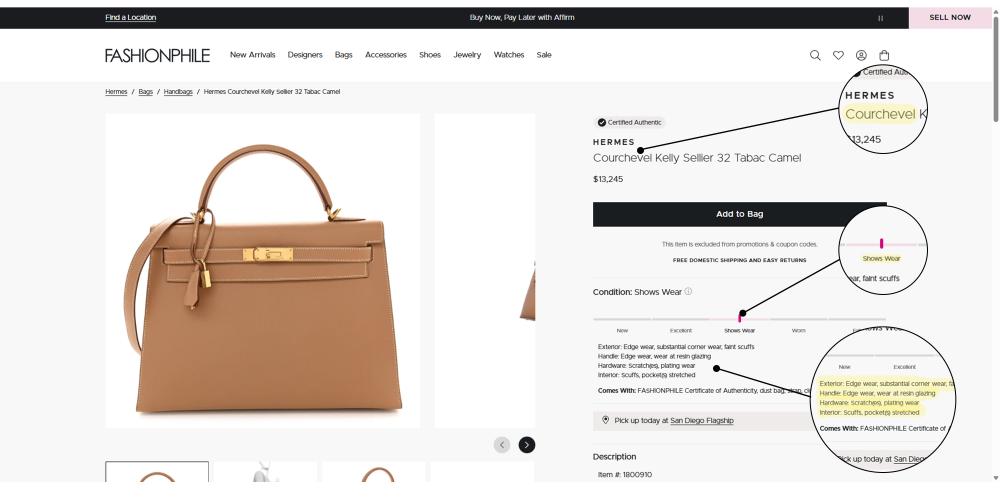
Buying a pre loved Hermès bag often starts with excitement and quickly turns into confusion. You find a bag you love, the photos look promising, the price seems reasonable compared to boutique, and then you reach the description. Suddenly you are reading a dense paragraph filled with abbreviations, condition grades, and short phrases that feel more like code than helpful information.
“Togo PHW, very good condition, light corner wear, softened handles, minor scratches consistent with use.”
For seasoned collectors, this language is familiar. For shoppers newer to Hermès resale, it can feel intimidating. You may wonder whether “softened handles” is normal or a warning sign, or whether “minor scratches” will be noticeable in real life. When you are considering a purchase that may cost as much as a small car, uncertainty is stressful.
This article is designed to slow the process down. We will walk through the leather abbreviations and condition notes commonly used in Hermès resale listings and translate them into plain, practical language. You will learn how different Hermès leathers age, what types of wear are expected versus concerning, and how to read between the lines of a listing description.
The goal is not to turn you into a leather expert overnight. It is to help you read resale listings with confidence, ask better questions, and decide whether a specific bag truly fits your expectations, lifestyle, and budget.
Why Leather Notes Matter So Much In Hermès Resale
In most luxury resale shopping, condition is important. In Hermès resale, leather is just as important as condition, and the two are deeply connected.
Hermès produces bags in a wide range of leathers, each with its own personality. Some are stiff and structured, others are soft and relaxed. Some hide scratches well but may slouch over time. Others hold their shape for years but show wear more clearly when it happens.
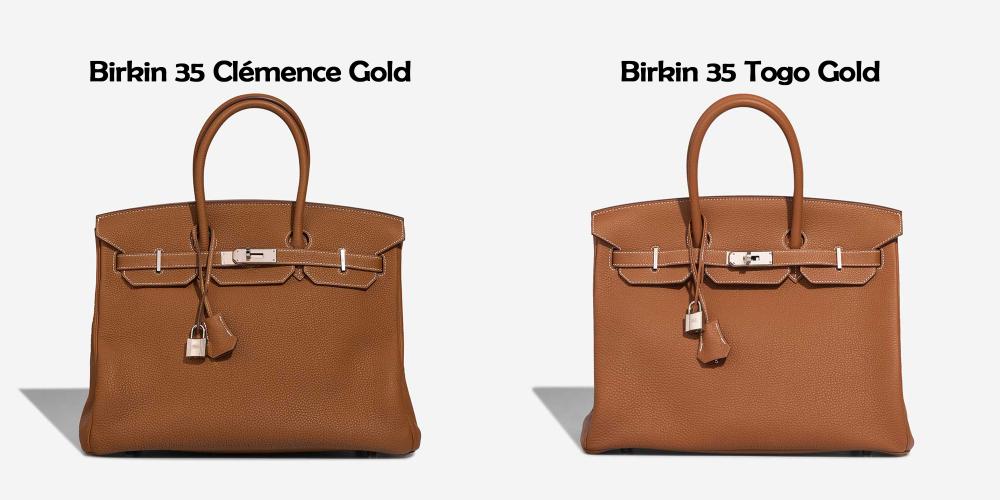
Because of this, two bags of the same model, size, and color can age very differently depending on the leather. A Birkin 30 in Togo may still look structured after years of use, while the same Birkin 30 in Clemence may appear noticeably softer and more slouched. Neither is wrong. They are simply different.
Resale sellers rely on leather notes to communicate these differences. Photos alone cannot show weight, stiffness, or how a bag feels in hand. Lighting can hide scratches. Angles can minimize corner wear. The written description is where sellers explain what the bag is really like.
For buyers, understanding leather notes helps answer questions such as:
- Will this bag stay structured or relax over time?
- Are the scratches mentioned typical for this leather?
- Is the wear cosmetic, or does it affect function?
- Does the price reflect the leather type and condition accurately?
Once you understand how to interpret these notes, listings start to feel less overwhelming and more informative.
How Hermès Leather Names Are Shortened In Resale Listings
Most resale platforms and boutiques use abbreviations for Hermès leather names. This is partly for convenience and partly because experienced buyers already understand the shorthand. For newer shoppers, these abbreviations can be one of the first hurdles.
Learning them pays off quickly. Once you recognize the leather name, you can immediately form expectations about structure, durability, and how the bag is likely to wear.
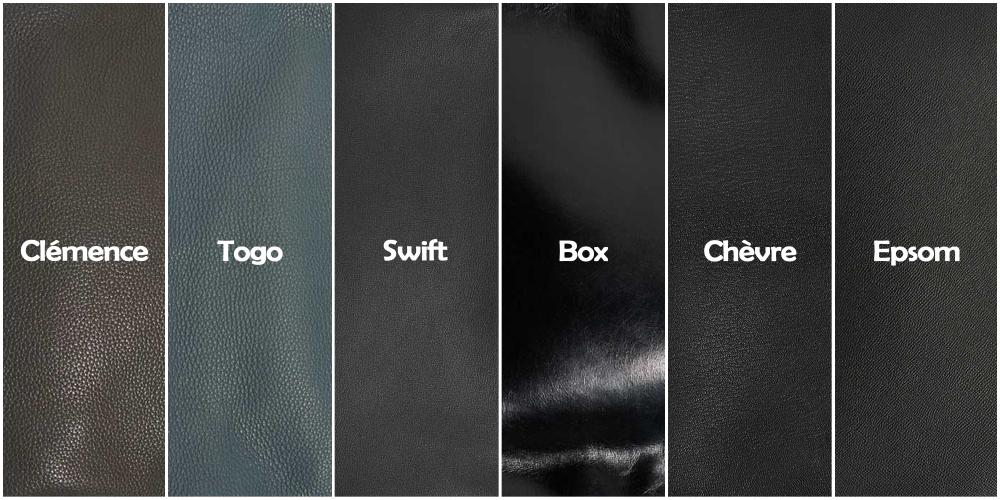
Below are the most common Hermès leathers you will encounter on the resale market, along with guidance on how to interpret condition notes for each one.
Togo
What it is
Togo is a grained calfskin with a matte finish and visible pebbling. It is one of the most popular Hermès leathers and appears frequently in both boutique and resale listings.
How it wears
Togo is known for its balance. It is durable without feeling stiff, structured without being rigid. Over time, it softens slightly, especially at stress points like the handles and base, but it generally maintains its shape well.
Common resale notes and what they usually mean
- Softened handles: Normal with use and rarely a concern.
- Light corner wear: Expected on a used bag, especially larger sizes.
- Minor surface scratches: Usually shallow and not immediately noticeable.
How to judge condition in context
A Togo bag described as “very good condition” with light wear is often a safe and predictable purchase. Many buyers specifically seek out Togo for everyday use because it ages gracefully and forgives minor wear.
Clemence
What it is
Clemence is another grained calfskin, but it is heavier and softer than Togo. It has larger, rounder grain and a more relaxed feel.
How it wears
Clemence slouches as it ages. This is not damage or poor care. It is simply how the leather behaves. The bag becomes more relaxed through the body and may lose some of its original structure, especially when carried frequently.
Common resale notes
- Slouching to body: Expected and normal.
- Handles leaning: Common with use.
- Softened leather throughout: Typical for Clemence bags.
How to judge condition in context
When evaluating Clemence, focus less on structure and more on corners, glazing, and cleanliness. A slouchy Clemence bag can still be in excellent condition if wear is even and well maintained.
Epsom
What it is
Epsom is a stamped calfskin with a rigid structure and fine, uniform grain. It is lighter than Togo and Clemence and known for holding its shape.
How it wears
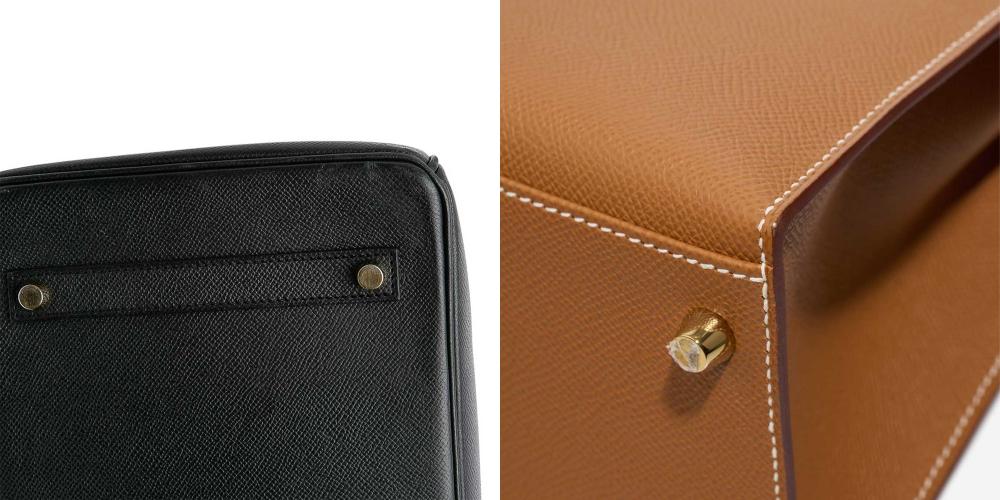
Epsom does not relax the way natural grained leathers do. Instead, it maintains structure but can develop creasing. When wear occurs, it often affects the surface coating rather than the leather underneath.
Common resale notes
- No loss of structure: A positive sign.
- Corner wear to coating: Indicates chipping or rubbing of the stamped finish.
- Creasing to body: Common and not structural damage.
How to judge condition in context
Pay close attention to corner photos. Even small chips in the coating can be more noticeable on Epsom than on other leathers. Many buyers choose Epsom for its lightweight feel and crisp look, accepting that wear may show differently.
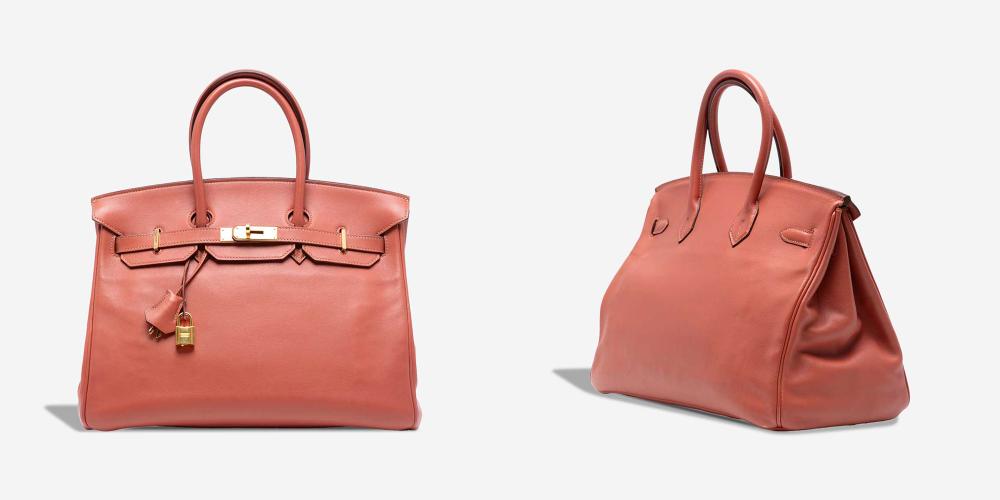
Swift
What it is
Swift is a smooth calfskin with a soft hand and slight sheen. It often appears richer in color than grained leathers.
How it wears
Swift shows scratches easily, even with careful handling. Over time, these scratches can blend into a soft patina that many collectors find beautiful.
Common resale notes
- Visible scratches: Normal and expected.
- Rubbing throughout: Affects appearance more than function.
- Developed patina: Often desirable rather than negative.
How to judge condition in context
When buying Swift, it helps to be comfortable with visible wear. A Swift bag rarely looks pristine for long, but that does not mean it is poorly maintained.
Box Calf
What it is
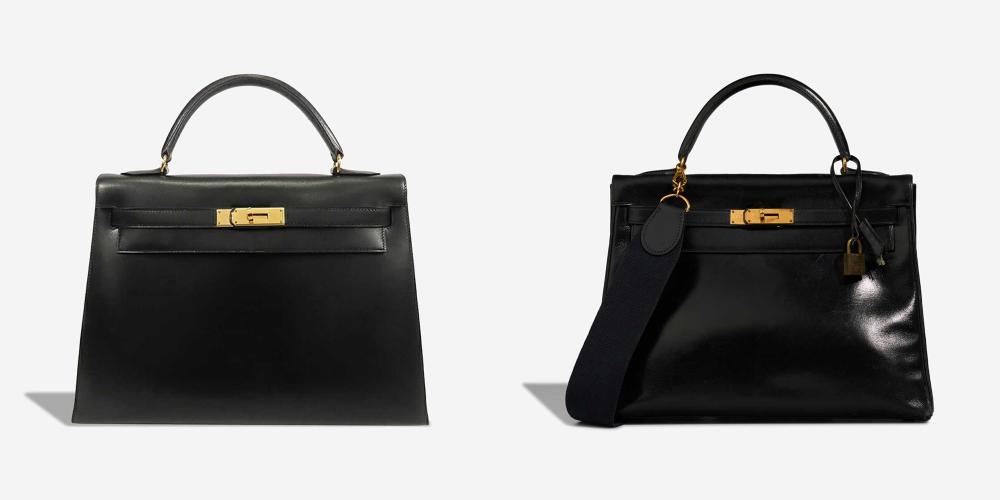
Box calf is smooth, glossy leather with a classic, almost formal appearance. Many vintage Hermès bags are made in Box.
How it wears
Box scratches very easily, but scratches can often be polished out by a professional. Over time, it develops a high-shine patina.
Common resale notes
- Scratches throughout: Expected.
- High shine: Suggests polishing or careful maintenance.
- Vintage patina: Often appealing to collectors.
How to judge condition in context
A scratch-free Box bag is rare. Focus on whether the leather has been cared for and whether the structure remains sound.
Chevre
What it is
Chevre is goatskin, known for being lightweight, durable, and finely grained.
How it wears
Chevre resists scratches well and holds structure nicely, especially in smaller bags.
Common resale notes
- Minimal wear: Common.
- Crisp structure: A good sign.
- Excellent condition: Often accurate for Chevre.
How to judge condition in context
Chevre tends to age well, making condition notes more straightforward.
Exotic Leathers
What they includ
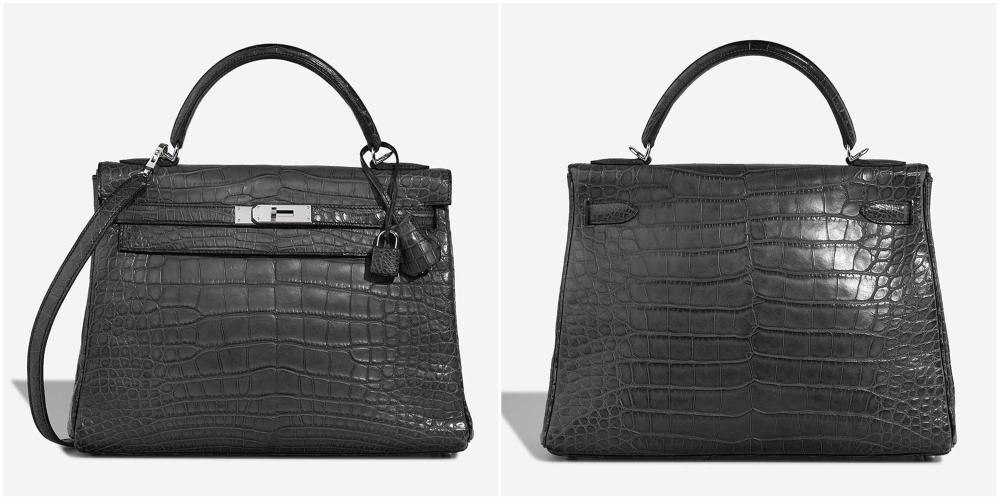
Crocodile, alligator, lizard, ostrich, and other exotic skins.
How they wear
Each exotic leather has unique characteristics and vulnerabilities. Condition notes are especially important.
Common resale notes
- No scale lift: Critical for croc and gator.
- Minor rubbing to scales: Needs careful evaluation.
- Hornback intact: Important for crocodile bags.
How to judge condition in context
Always request additional photos and documentation. Small issues can significantly affect value and long-term wear.
Understanding Hermès Condition Terminology
Condition ratings are not standardized across sellers, but similar patterns appear consistently.
Pristine or Like New
Unworn or worn once. May still have protective plastic. Storage marks are possible.
Excellent Condition
Very light signs of wear, often difficult to see without close inspection.
Very Good Condition
Visible wear consistent with careful use, such as light corner wear or softened handles.
Good Condition
Noticeable wear throughout, but fully functional.
Fair or As Is
Heavy wear, damage, or repairs needed. Typically priced lower.
Always read the detailed description rather than relying solely on the condition grade.
Translating Common Wear Notes Into Real Life
Short phrases in listings often carry more meaning than they appear to at first glance.
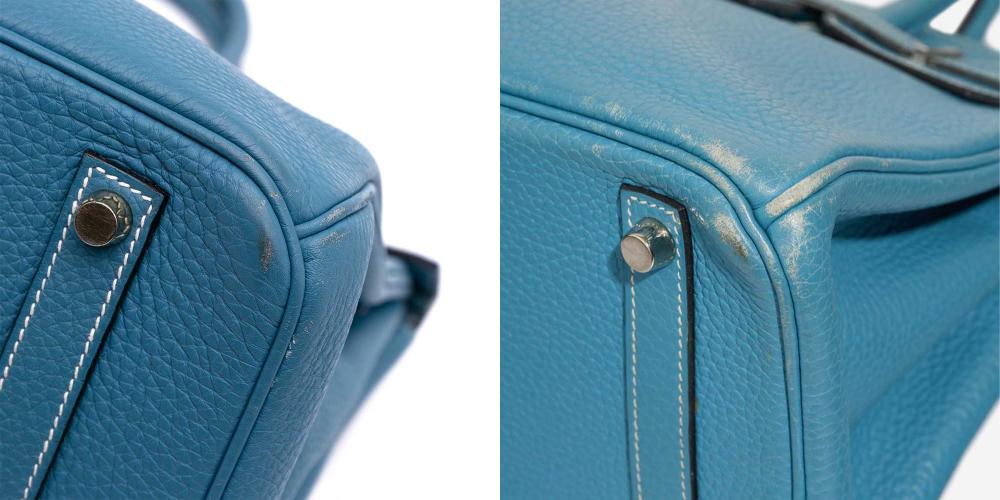
- Corner wear: Normal on used bags. Look for discoloration versus structural damage.
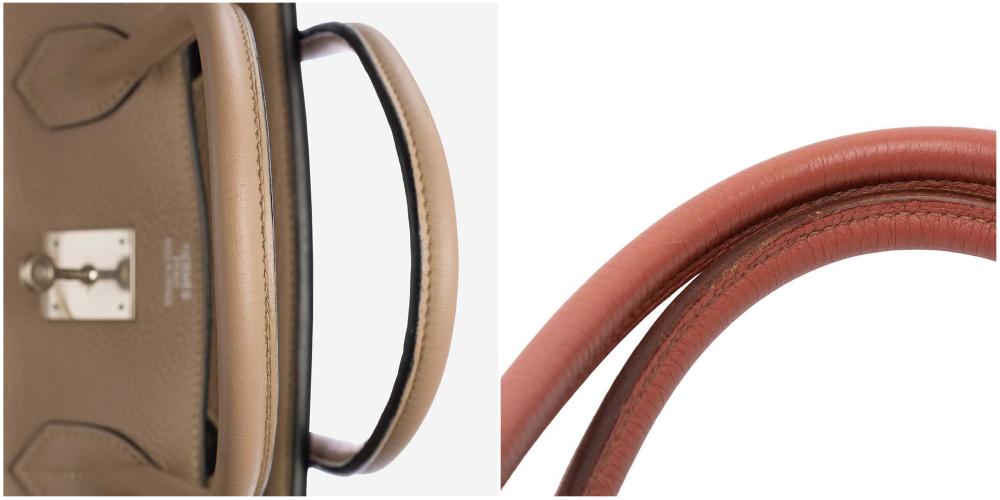
- Handle wear: Softening is expected. Darkening or cracking indicates heavier use.
- Glazing wear: Common and usually repairable.
- Interior marks: Ink and makeup stains are more serious than general wear.
- Scratches: Usually cosmetic unless described as deep.
How Leather Type Changes Wear Interpretation
The same wear note can mean different things depending on the leather.
A scratch on Epsom may indicate coating damage, while a scratch on Swift may soften over time. Slouching in Clemence is expected, while slouching in Epsom may suggest structural issues. Always interpret wear within the context of the leather.
Red Flags To Watch For In Resale Listings
- Vague descriptions with limited photos
- No mention of corners or handles
- Condition ratings that conflict with written notes
- Overly positive language without specifics
Smart Questions To Ask Before Buying
Reputable sellers expect questions, especially for high-value items.
Consider asking:
- Can you provide close ups of corners and handles?
- Has the bag been to the Hermès spa?
- Are there any repairs not mentioned?
- Are there areas of wear not visible in photos?
Using Leather Notes To Compare Prices
Leather and condition heavily influence resale pricing. A bag in Epsom may be priced higher than the same bag in Clemence due to structure and demand, even if both are used. Leather notes help explain these differences and allow you to judge value more accurately.
Final Thoughts: Reading Listings With Confidence
Hermès resale listings are written in shorthand for experienced buyers. Once you understand the language, leather notes become one of your most valuable tools. Instead of guessing, you can evaluate wear realistically, compare listings intelligently, and choose bags that fit your lifestyle and expectations.
Reading leather notes does not mean finding a perfect bag. It means knowing what you are comfortable with, recognizing what is normal for a specific leather, and avoiding surprises after purchase. With practice, these listings stop feeling intimidating and start feeling informative.