Worldwide tracked delivery · Carefully selected quality · Personal order support

Hermes Bag Leather and Long Term Value: What Really Matters
Mar 12, 2026
By
Sophia Whitmore
0 comment(s)
See how Hermès bag leather type, condition, and color can shape long term value while keeping joy and use at the center.
Buying a Hermès bag is rarely a casual decision. Whether it is a Birkin, a Kelly, or a Constance, you are choosing a piece with heritage, craftsmanship, and a serious price tag. At the consideration stage, most buyers start asking practical questions. How does leather choice affect long term value? Does color matter? How much does condition really impact resale?
The phrase “Hermès investment bag leather” gets searched often, but it can create the wrong mindset. These bags are not stocks. They are objects meant to be carried, opened, and lived with. That said, some leathers, colors, and conditions do tend to hold value better over time.
This guide breaks down the real Hermes resale factors, with a clear look at Hermes leather value over time. The goal is simple: help you make an informed decision without stripping the joy out of ownership.
Why Leather Matters So Much in Hermès Value
When people compare two otherwise identical Birkins, the leather is often what creates the price gap. Size, hardware, and color all matter, but leather sits at the center of long term value discussions.
Hermès works with a wide range of leathers, each with a different structure, finish, durability level, and aging pattern. Some are firm and scratch resistant. Others are soft, delicate, and prone to visible wear. Over time, these traits shape how a bag looks and how the resale market perceives it.
From a value perspective, leather influences:
- Durability and resistance to scratches
- How well the bag holds its shape
- Ease of maintenance
- Perceived luxury and rarity
- Market demand in resale
Two bags stored and used in similar ways can show very different wear simply because of leather choice. That difference can translate into thousands in resale value.
The Core Hermès Leathers and How They Age
Let’s look at some of the most common leathers and how they typically perform over time.
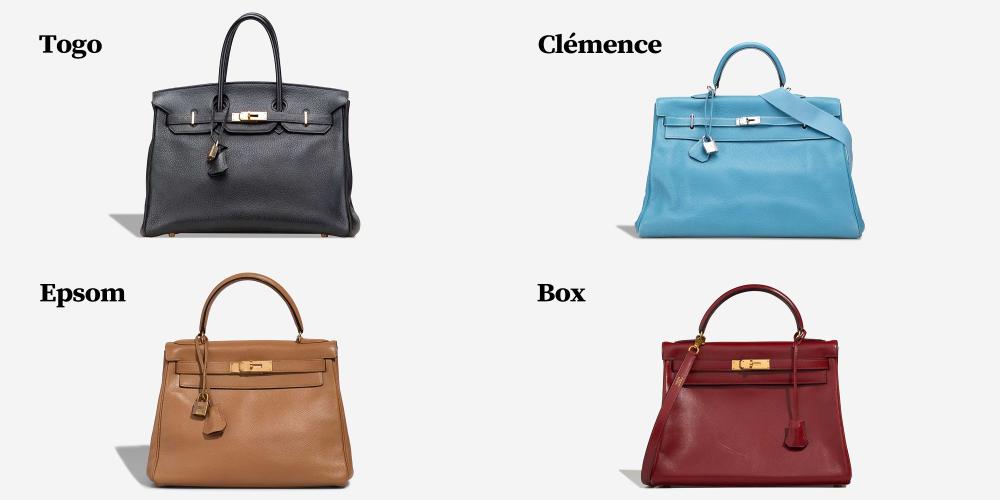
Togo: The Practical Favorite
Togo is one of the most popular Hermès leathers. It is made from baby calfskin with a visible, pebbled grain.
Why it holds value well:
- Naturally scratch resistant
- Structured enough to hold shape
- Widely recognized and in demand
- Suitable for everyday use
Togo tends to age gracefully. Minor marks blend into the grain. The structure softens slightly over time without collapsing. For buyers thinking about Hermes leather value over time, Togo often strikes the best balance between usability and resale appeal.
Clemence: Relaxed and Soft
Clemence is also a calfskin leather, known for its softer and slightly slouchier feel compared to Togo.
Pros:
- Comfortable and supple
- Matte finish hides minor scratches
- Feels luxurious and understated
Cons:
- Can lose structure over time
- Corners may show wear more quickly
- Heavier than some other leathers
From a Hermes resale factors perspective, Clemence can still perform well, especially in neutral colors. However, buyers who prefer a sharply structured look may discount heavily slouched pieces.
Epsom: Structured and Lightweight
Epsom is embossed leather with a uniform, fine grain.
Strengths:
- Very lightweight
- Excellent shape retention
- Scratch resistant surface
- Easy to clean
Because it holds its structure so well, Epsom bags often look newer for longer. This can positively influence resale. However, some collectors prefer the natural grain of Togo or Clemence, which can slightly affect demand depending on trends.
For smaller bags like the Kelly Sellier or Constance, Epsom is often favored for its crisp lines.
If you want to know more about Hermès, visit our Hermès blog.
Box Calf: Classic but Delicate
Box calf is smooth, glossy, and deeply classic. Vintage pieces in Box leather can be breathtaking.
But here is the reality:
- It scratches easily
- Marks are visible
- It requires careful handling
From a strict Hermes investment bag leather lens, Box can be risky for heavy use. However, pristine or well-maintained vintage pieces can command strong prices, especially in classic colors.
Box is less forgiving. If you plan to use your bag daily, this leather demands more attention.
Exotic Leathers: Crocodile, Alligator, Ostrich
Exotics sit in a different category. They include crocodile, alligator, and ostrich.
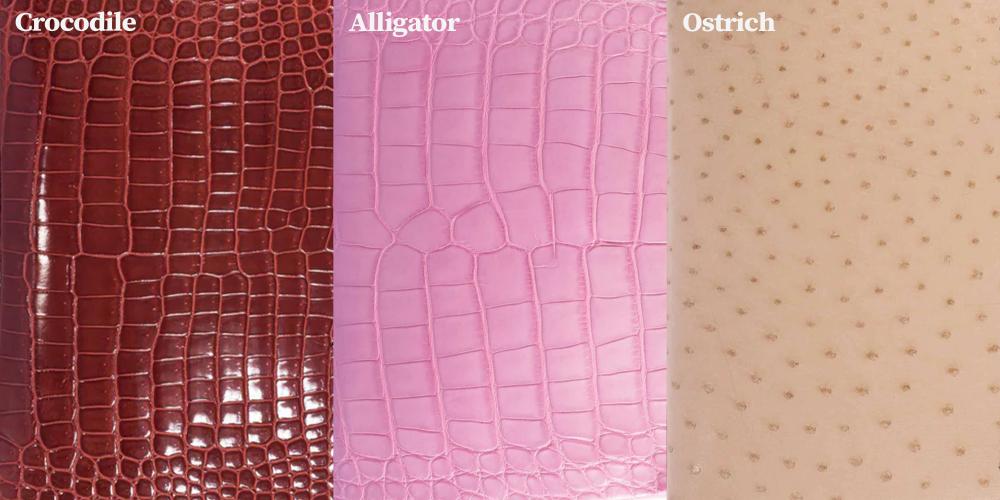
These leathers often have higher retail prices and can perform strongly in resale markets, particularly in rare colors and limited runs. However, they also:
- Require careful storage
- Have narrower buyer pools
- Are sensitive to condition issues
For example, cracking in crocodile can significantly reduce value. With ostrich, darkening around handles can affect price.
Exotics can hold or exceed retail in certain cases, but condition becomes even more critical.
Condition: The Single Most Powerful Resale Factor
No matter the leather, condition plays an outsized role in long term value.
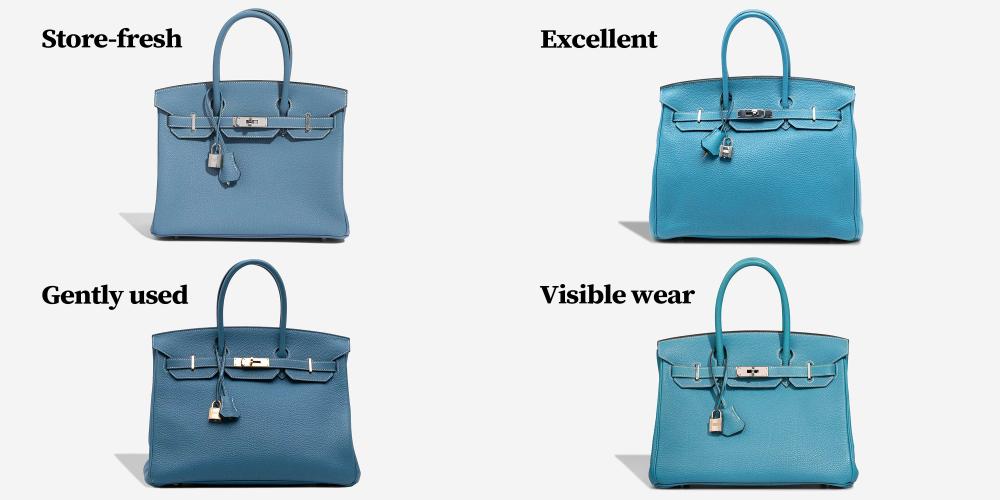
Think of condition as a spectrum:
- Store-fresh with plastic on hardware
- Excellent with minimal signs of wear
- Gently used with light corner wear
- Visible wear, scratches, interior marks
- Heavy wear, structure loss, repairs
Each step down that scale can shift resale value dramatically.
Exterior Condition
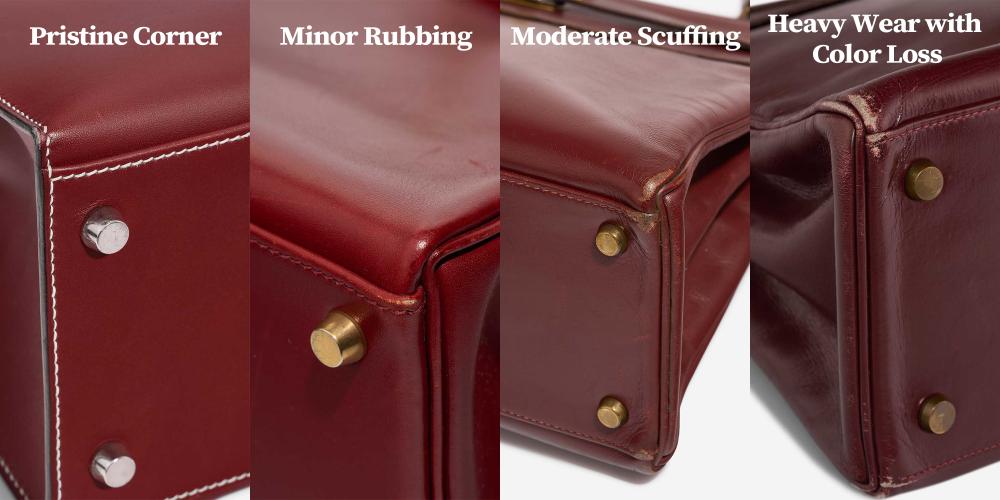
Key areas buyers examine:
- Corners for scuffing
- Edges for glazing wear
- Surface scratches
- Shape and structure
- Hardware scratches
On a Togo Birkin, light corner wear may be acceptable. On a Box calf Kelly, a single deep scratch can meaningfully impact price.
Interior Condition
Interior stains, pen marks, or odors reduce value more than many first-time sellers expect. Even if the exterior looks good, a compromised interior can push the bag into a lower resale tier.
Repairs and Spa Treatments
Hermès offers spa services. Professional cleaning or light refurbishment can improve appearance, but heavy repairs can create mixed reactions in resale.
Collectors often prefer original condition over heavily altered pieces. Replaced hardware or significant structural repairs may lower desirability.
Color: Subtle but Significant
Color affects both initial demand and long term stability.
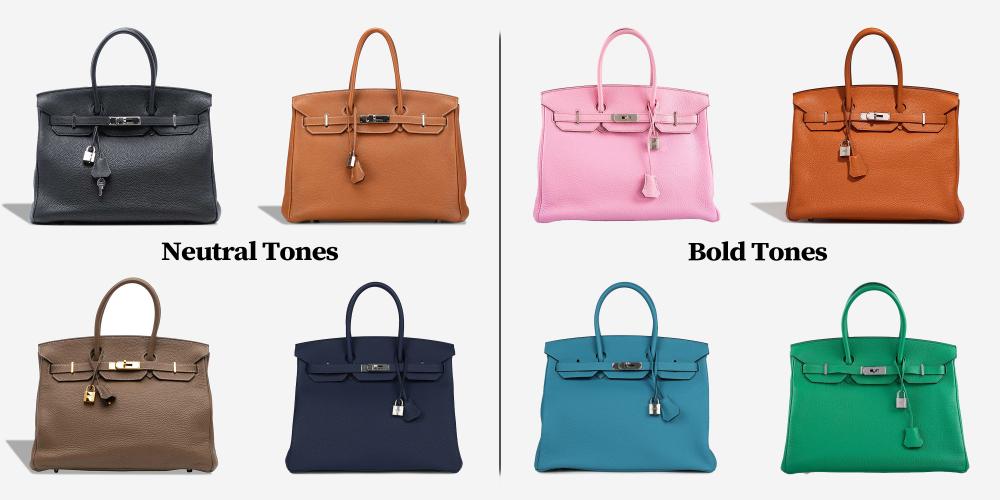
Neutrals: The Safe Zone
Colors like black, gold, etoupe, and navy consistently perform well. They:
- Pair easily with wardrobes
- Appeal to wider audiences
- Remain relevant across seasons
Neutral Togo or Epsom Birkins often show steady resale performance because demand rarely disappears.
Seasonal and Trend Colors
Bright pinks, bold oranges, or limited seasonal shades can surge in popularity and then cool.
Sometimes a rare shade becomes highly collectible. Other times, it narrows the resale audience.
When thinking about Hermes leather value over time, neutrals are generally more stable. That does not mean bold colors are poor choices. It just means their value curve can be less predictable.
If you want to know more about Hermès fashion, you can visit our Hermès blog.
Light Colors and Wear
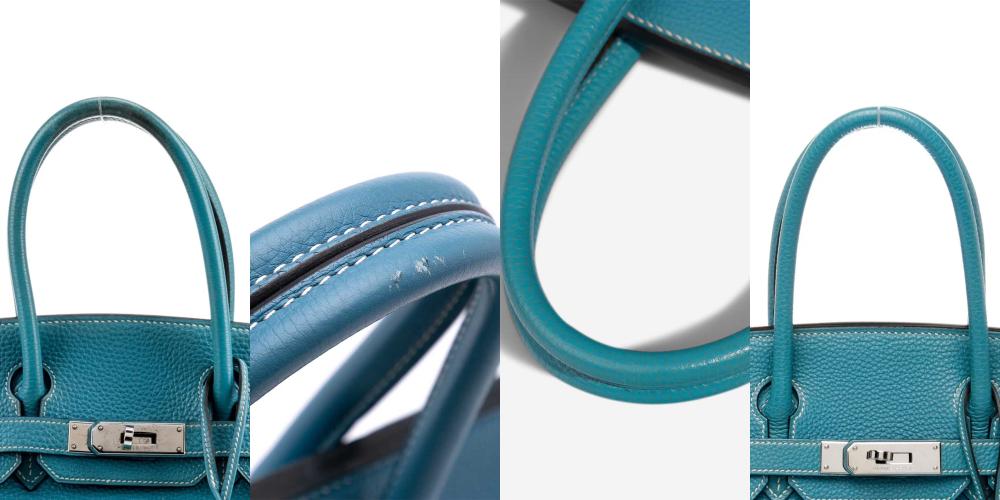
Lighter shades may show dirt, darkened handles, or corner wear more easily. This ties color directly to condition over time.
A light gray Clemence bag with visible handle darkening may lose value faster than a darker equivalent used in the same way.
Size and Structure: Quiet Influencers
Although leather, condition, and color are central, size and structure also shape long term value.
Smaller sizes often have stronger demand, especially in urban markets. A Birkin 25 in Togo may attract more consistent interest than a Birkin 40 in the same leather and color.
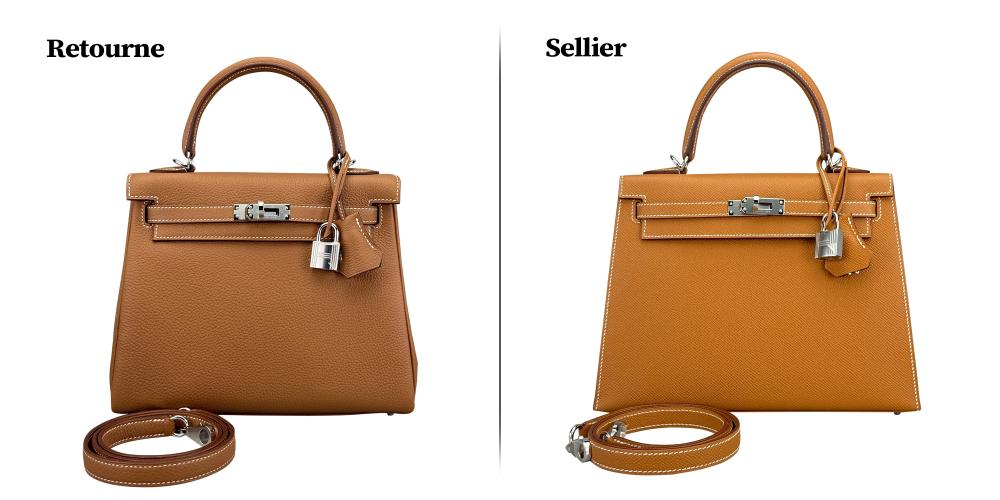
Structured bags like a Kelly Sellier in Epsom may hold their shape better over time than softer Retourne styles in Clemence.
Structure affects perceived age. A bag that looks crisp and upright reads as newer, even if it has been carried for years.
Market Cycles and Cultural Influence
Hermès resale factors do not exist in a vacuum. Cultural shifts, celebrity exposure, and regional demand all influence pricing.
When high-profile figures are repeatedly seen carrying a specific size or color, interest can spike. Likewise, broader economic conditions can affect how much buyers are willing to pay above retail.
Certain models, especially the Birkin and Kelly, benefit from decades of consistent demand. That stability helps buffer fluctuations compared to less iconic styles.
However, even icons are not immune to cycles. A leather that is popular today may soften in demand later, and vice versa.
Balancing Use and Preservation
At the consideration stage, many buyers face the same tension. Should you use the bag freely or protect it like an asset?
The healthiest approach sits in the middle.
If you never carry your bag, you miss the experience that justifies the purchase. If you use it carelessly, you may significantly reduce resale value.
Practical steps to balance joy and value:
- Store the bag stuffed to maintain shape
- Avoid overloading to prevent stretching
- Rotate usage rather than daily heavy wear
- Keep away from heavy rain for delicate leathers
- Wipe down surfaces gently after use
These habits protect condition without turning ownership into anxiety.
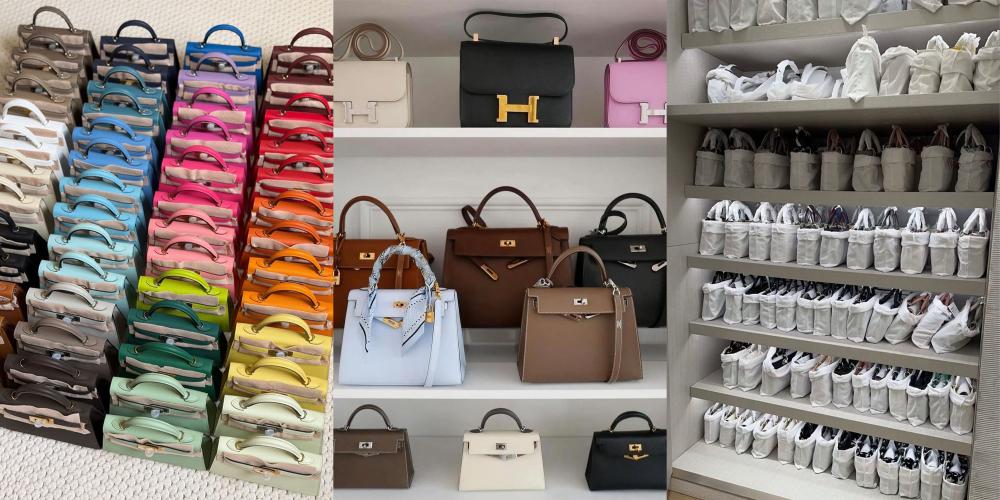
Comparing Two Identical Bags: A Practical Example
Imagine two Birkin 30 bags in black Togo.
Bag A:
- Carried weekly for five years
- Minor corner scuffing
- Light hardware scratches
- Clean interior
Bag B:
- Carried daily for five years
- Noticeable corner wear
- Handle darkening
- Interior ink mark
Even though both are authentic, same size, same color, same leather, Bag A could command a meaningfully higher resale price.
Now compare a third bag:
Bag C:
- Same size and color
- Box calf leather
- Several visible surface scratches
Even if Bag C was carried less often, the visible scratches may lower resale more than the mild wear on Bag A.
This illustrates how Hermes leather value over time is never just about the name of the leather. It is about how that leather behaves in real life.
When Leather Rarity Drives Premiums
Occasionally, discontinued leathers or rare finishes develop cult followings.
Collectors may pay premiums for:
- Certain vintage Box finishes
- Limited production grains
- Unique color and leather pairings
In these cases, leather rarity can offset minor wear. However, rarity does not erase condition issues entirely. Severe damage still impacts value.
For newer buyers, chasing rarity purely for resale potential can be risky. Tastes shift, and what feels rare today may not command the same attention tomorrow.
The Psychology Behind Resale Value
Resale value is not purely mathematical. It is emotional.
Buyers respond to:
- How “fresh” a bag looks
- Whether the structure feels intact
- The story implied by wear
- Current desirability of a model
A bag that appears lightly used often signals careful ownership. That perception alone can justify higher offers.
Conversely, visible neglect creates hesitation, even if the leather itself is high quality.
Understanding this psychology helps you see why condition can outweigh leather type in some scenarios.
Is There Truly a “Best” Hermès Investment Bag Leather?
If we define “best” purely by broad resale stability, Togo and Epsom in neutral colors are often considered safe choices.
They combine:
- Durability
- Strong market demand
- Ease of maintenance
- Familiarity among buyers
However, that does not mean Clemence, Box, or exotics are poor decisions. They simply require more intentional care or more patience in resale.
The better question is not which leather is the best investment. It is which leather fits your lifestyle while protecting reasonable long term value.
If you love the soft feel of Clemence and plan to use your bag regularly, that joy may outweigh a small resale difference later.
Viewing Long Term Value as a Spectrum
Rather than thinking in terms of guaranteed appreciation, it helps to see value as a spectrum influenced by:
- Leather durability
- Color demand
- Condition maintenance
- Market timing
- Model popularity
Some combinations consistently land near the stronger end of that spectrum. Others are more volatile.
But almost all Hermès icons, especially Birkin and Kelly, benefit from enduring brand strength and craftsmanship reputation.
Keeping Joy at the Center
It is easy to let the phrase “Hermes investment bag leather” dominate the conversation. But a bag locked away for fear of corner wear may not deliver the experience you imagined.
Hermès pieces are designed to be carried. The feel of the leather softening slightly in your hand, the way the bag settles into your daily routine, the subtle signs of personal history. These elements give the piece meaning beyond resale.
Long term value matters. Leather choice matters. Condition and color matter.
But the most sustainable approach is this:
Choose a leather that suits how you actually live.
Select a color you will reach for often.
Care for the bag consistently.
Accept that gentle wear is part of ownership.
When you combine thoughtful selection with mindful use, you protect both financial value and personal satisfaction.
That balance, more than any specific leather name, is what truly shapes Hermes leather value over time.