Worldwide tracked delivery · Carefully selected quality · Personal order support

Building A Hermes Bag Leather Collection Over Time: A Strategic Guide to Balancing Sizes, Colors, Textures, and Wear
Apr 30, 2026
By
Sophia Whitmore
0 comment(s)
Collecting Hermes bags can feel overwhelming at first. There are sizes to compare, leathers to learn, colors to chase, and the quiet pressure to choose “the right one.” It’s easy to end up with variations of the same bag without meaning to.
A smarter approach is to treat your Hermes leather collection like a long-term project. Instead of buying reactively, you build a balanced lineup over time. Different sizes for different days. Different leathers for different climates. Different colors for different moods.
This guide walks you through a practical Hermes leather strategy so your collection grows with intention rather than impulse.
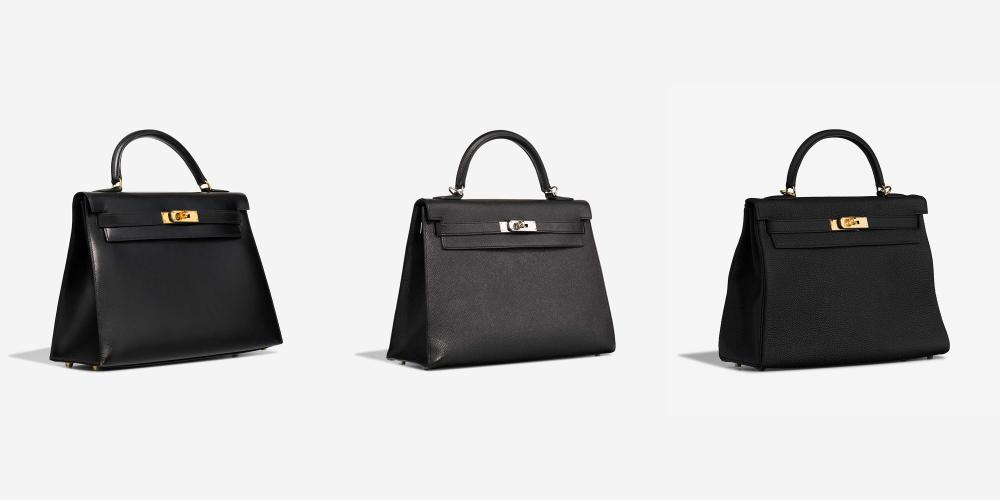
Start With Your Lifestyle, Not the Bag
Before you think about leather types or rare colors, step back. How do you actually live?
- Do you commute daily?
- Travel often?
- Attend formal events?
- Dress mostly casual?
- Live in a humid, rainy, or dry climate?
Collecting Hermes bags works best when the bags serve real life. A structured top-handle might be beautiful, but if you need hands-free options most days, you’ll reach for something else.
For example, if you work in a formal office, a medium structured bag in a classic leather might anchor your collection. If you’re frequently on the go, you may want something lighter and more relaxed as your foundation.
Your lifestyle should shape your Hermes leather strategy from the beginning. Otherwise, you risk building a collection that looks impressive on a shelf but rarely leaves the house.
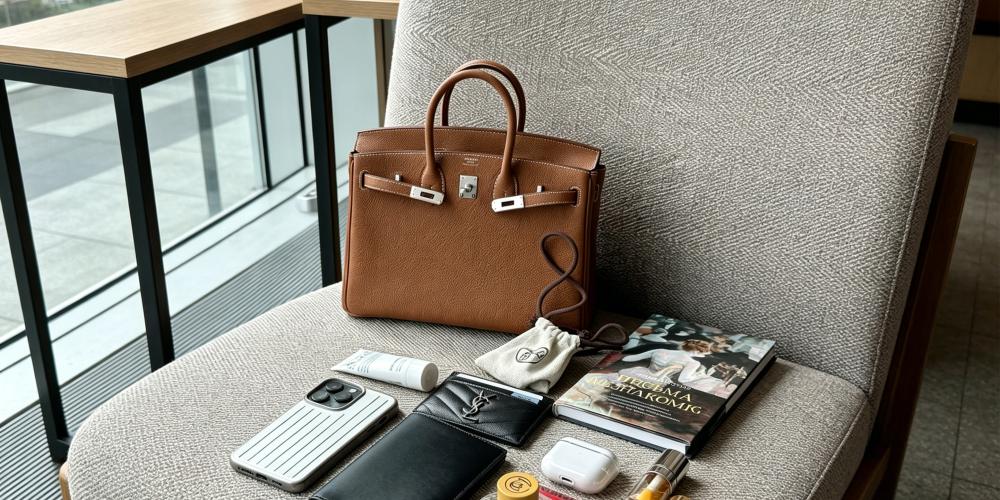
Understand the Core Hermes Leather Categories
You don’t need to memorize every Hermes leather ever produced. But you should understand the main categories and how they behave over time.
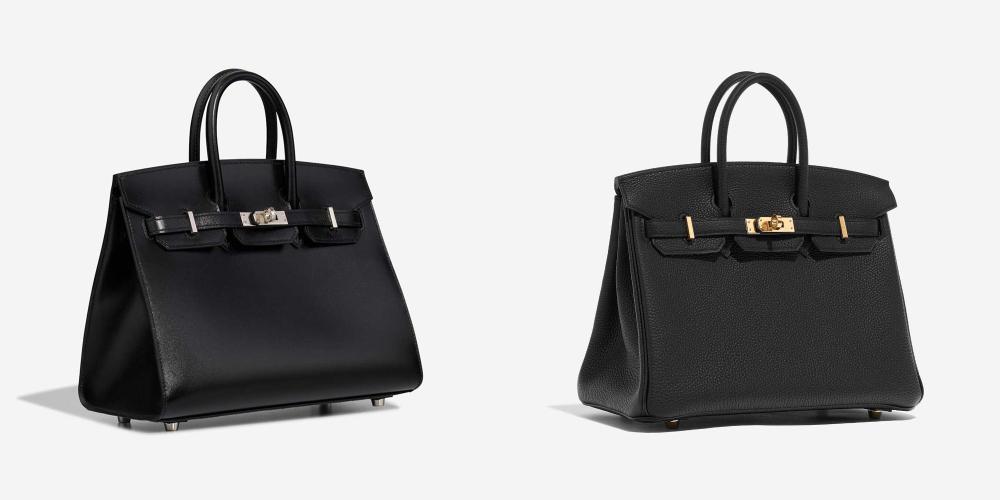
Smooth and Structured Leathers
These are often firm, hold their shape well, and show scratches more easily. They tend to look polished and formal.
They’re ideal for:
- Work settings
- Special events
- Structured silhouettes
They require:
- Careful handling
- Mindfulness about surface scratches
If you love crisp lines and a refined look, at least one smooth leather piece can ground your Hermes leather collection.
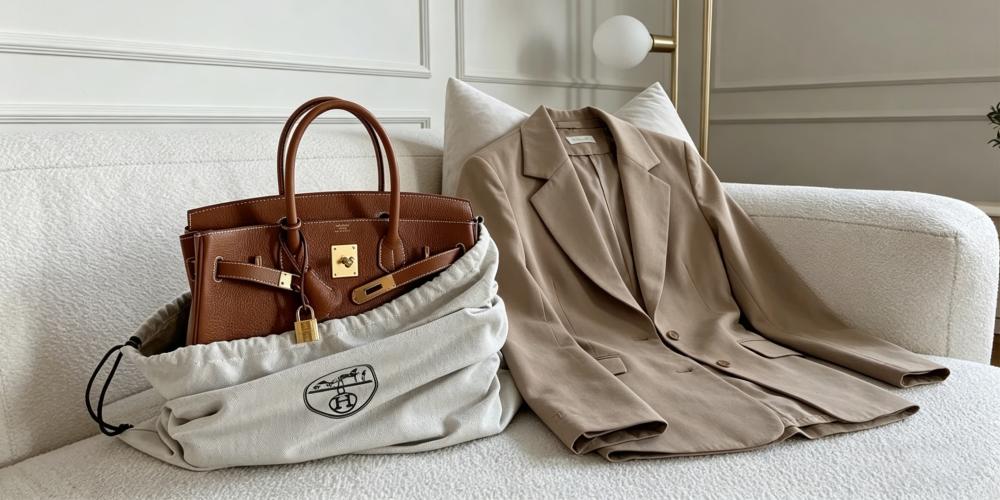
Grained and Durable Leathers
These leathers have visible texture and are generally more resistant to scratches. They feel practical and wearable.
They’re ideal for:
- Everyday use
- Travel
- Frequent rotation
For many collectors, a grained leather bag becomes the workhorse of the collection. It’s the one you grab without overthinking.
Soft and Slouchy Leathers
These leathers are supple and relaxed. They may lose structure over time, but that’s part of their charm.
They’re ideal for:
- Casual outfits
- Weekend use
- Lighter packing needs
If your collection is starting to feel too rigid or formal, adding a softer leather introduces balance.
Exotic and Specialty Leathers
These are statement pieces. They require careful storage and thoughtful wear. They’re not usually daily bags.
They’re ideal for:
- Formal occasions
- Special milestones
- Long-term collector value
Not every Hermes leather collection needs an exotic piece. But if you plan to add one, it should complement what you already own, not duplicate it in size and tone.
If you want to know more about Hermès, visit our Hermès blog.
Balance Sizes Across Your Collection
One of the most common mistakes in collecting Hermes bags is repeating the same size in different colors. It feels safe, but it limits versatility.
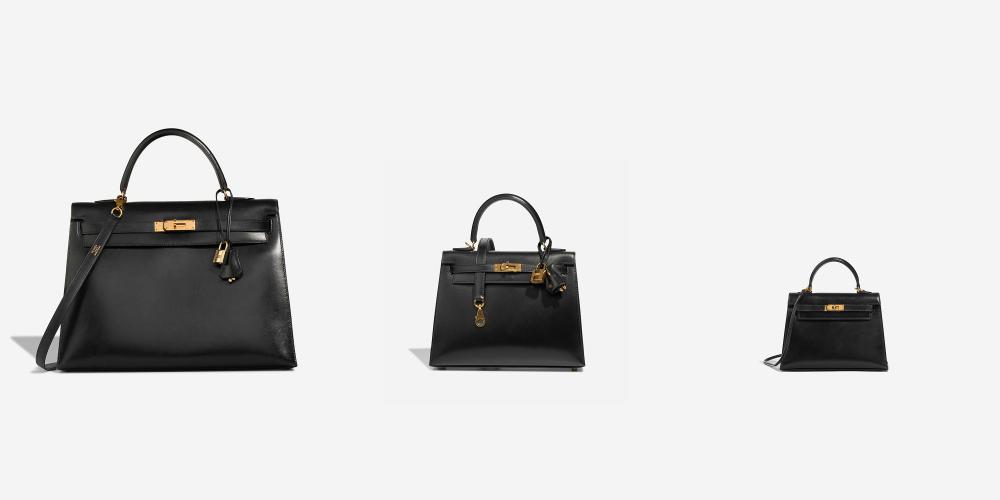
Think in terms of function:
Small Bags
Best for:
- Evenings
- Light carry days
- Travel dinners
A small bag in a neutral or classic color is often a strong early addition.
Medium Bags
Best for:
- Work
- Daily errands
- Balanced carry
For many people, the medium size becomes the backbone of the Hermes leather collection.
Larger Bags
Best for:
- Travel
- Work with documents or tech
- Winter layering
If your collection has three medium structured bags but no larger option, your lineup may feel incomplete.
A balanced collection might look like:
- One small evening bag
- One durable medium daily bag
- One larger structured work or travel bag
- One soft casual option
That’s already variety without excess.
Build a Thoughtful Color Strateg
Color is where collecting can get emotional. It’s also where planning matters most.
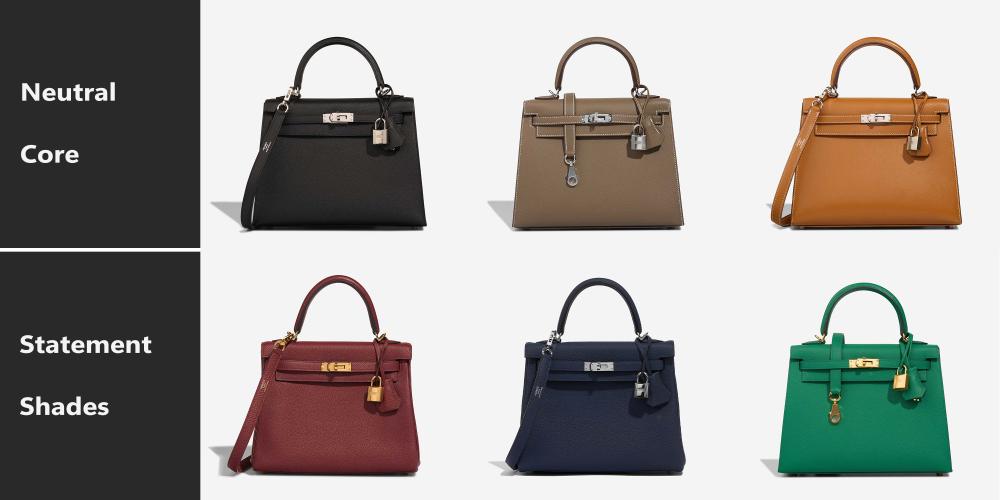
Start With Anchors
Begin with two to three neutral tones:
- Black
- Gold or tan
- Etoupe or gray
- Navy
These shades rotate easily across seasons and outfits. They form the base of your Hermes leather strategy.
Add Depth With Mid-Tones
Once your neutrals are covered, introduce depth:
- Deep burgundy
- Forest green
- Muted blue
- Warm caramel
These colors feel distinctive but still wearable.
Choose One or Two Statement Colors
Bright or seasonal shades are fun, but they shouldn’t dominate the collection unless that’s your personal style.
Before buying a bold color, ask:
- Do I already have this size in a neutral?
- Does this fill a gap or repeat a function?
- Will I realistically wear this at least ten times a year?
If the answer is no, pause.
Rotate Wear Levels Intentionally
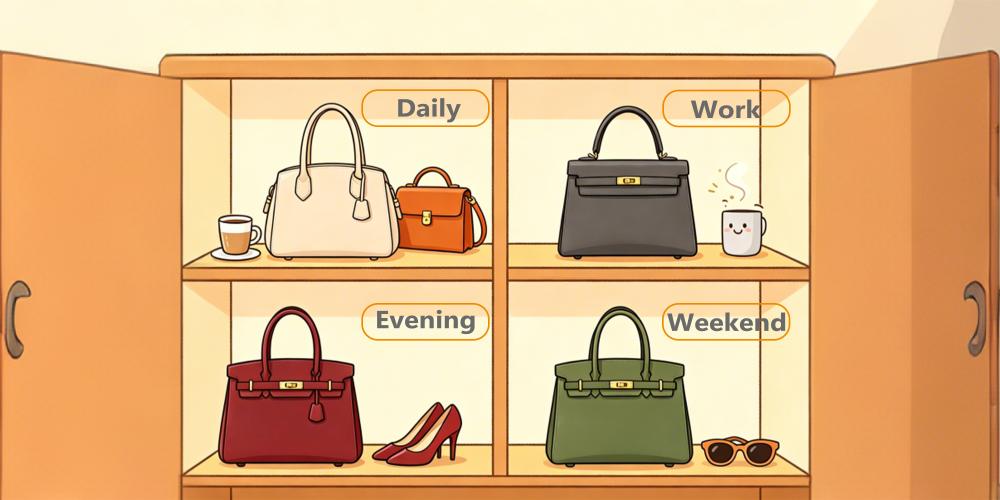
A balanced Hermes leather collection includes bags at different wear levels.
The Daily Workhorse
This bag is durable and not precious. Minor scratches won’t ruin your day.
The Polished Professional
Reserved for meetings, formal settings, or important events.
The Special Occasion Piece
Used sparingly. Stored carefully. Enjoyed intentionally.
The Relaxed Weekend Option
Soft leather, easy carry, low pressure.
When collecting Hermes bags, this rotation prevents overusing one bag while others sit untouched.
Plan Purchases in Phases
Instead of buying randomly, think in stages.
Phase 1: Foundation
- One durable neutral in a practical size
- One structured piece for formal settings
This phase is about coverage.
Phase 2: Expansion
- Introduce a new leather texture
- Add a different size
- Add a deeper, richer color
This stage builds dimension.
Phase 3: Refinement
- Add a statement color or rare leather
- Replace duplicates with more strategic pieces
- Fill any size or function gaps
At this stage, your Hermes leather strategy becomes more selective. You’re not just collecting. You’re curating.
If you want to know more about Hermès fashion, you can visit our Hermès blog.
Avoid Common Collection Pitfalls
Even experienced collectors fall into patterns.
Repeating the Same Bag in Different Colors
It feels safe. But it limits range. Unless it’s truly your everyday uniform, diversify shape or leather before repeating.
Ignoring Climate
If you live somewhere humid, delicate smooth leathers may require more maintenance. In rainy cities, highly delicate finishes may cause stress instead of joy.
Buying Only for Rarity
A rare bag that never gets used isn’t necessarily a good addition. Wearability matters more than exclusivity for most collectors.
Overlooking Weight
Some leathers and hardware combinations are heavier than expected. If comfort matters to you, test carry whenever possible.
Create a Visual Plan for Your Collection
A simple planning tool can clarify your direction.
You might sketch or list:
|
Category |
Size |
Leather Type |
Color |
Role |
|---|---|---|---|---|
|
Everyday |
Medium |
Grained |
Neutral |
Daily carry |
|
Work |
Medium/Large |
Smooth |
Dark neutral |
Professional |
|
Casual |
Medium |
Soft |
Mid-tone |
Weekend |
|
Evening |
Small |
Structured or exotic |
Classic |
Events |
Seeing gaps on paper prevents emotional overbuying.
Some collectors even photograph their current lineup and arrange the images side by side. Patterns become obvious quickly.
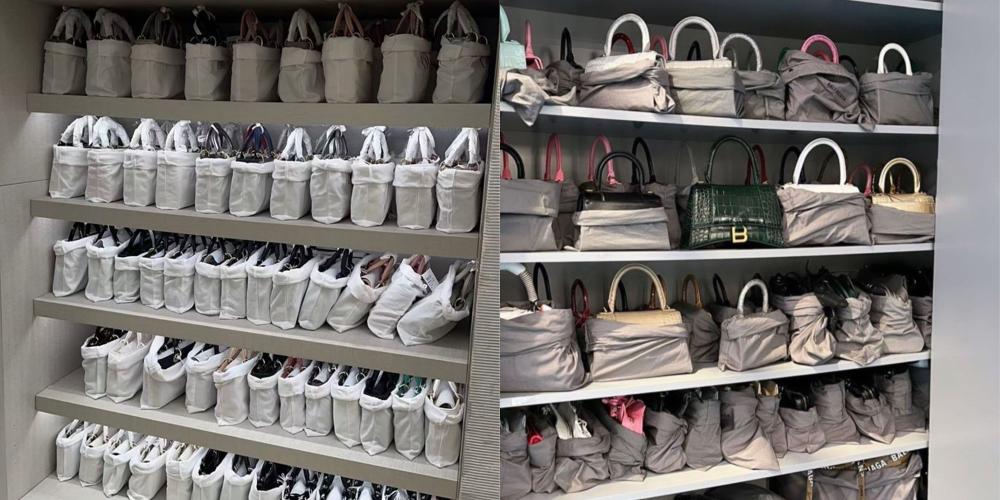
Think Long-Term Care and Storage
A thoughtful Hermes leather collection is not just about acquisition. It’s about preservation.
- Store structured bags stuffed to maintain shape.
- Keep them in breathable dust bags.
- Rotate usage to prevent uneven wear.
- Condition appropriate leathers when needed.
If you plan to collect over many years, care habits matter as much as purchase choices.
Know When to Edit Your Collection
Building over time also means letting go when necessary.
If you notice:
- Two bags serving the exact same role
- A color you never reach for
- A size that doesn’t fit your life anymore
It may be time to sell or trade strategically.
Collecting Hermes bags is not about volume. It’s about alignment.
A Sample Five-Bag Balanced Hermes Leather Collection
To make this concrete, here’s an example of a balanced lineup:
- Medium grained leather in gold or tan for daily wear
- Structured smooth leather in black for formal use
- Soft leather in a muted seasonal color for casual days
- Small structured evening bag in a dark neutral
- Larger structured piece for travel or heavy workdays
Each bag serves a different role. No duplication. No redundancy.
How Your Strategy Evolves Over Time
Your tastes will shift. Your lifestyle will change. That’s normal.
The key to a strong Hermes leather strategy is flexibility. Maybe you start with practical neutrals in your thirties. Later, you may feel more confident adding bold shades. Or you may streamline into fewer, more refined pieces.
Instead of chasing every new release, measure each potential purchase against your current lineup.
Ask:
- Does this expand my range?
- Does this improve balance?
- Does this replace something weaker in my collection?
If it does none of those, it may not be the right move.
Collect With Intention, Not Pressure
Hermes collecting culture can create urgency. Waitlists. Scarcity. Limited colors.
But a well-built Hermes leather collection is rarely rushed. It grows slowly. Thoughtfully. With clear direction.
You don’t need every leather. You don’t need every color. You don’t need every size.
What you need is balance:
- Texture variety
- Size diversity
- Color depth
- Functional rotation
When collecting Hermes bags with a plan, each addition feels like a deliberate step forward instead of another impulse.
In the end, the strongest collections are not the largest. They are the ones where every bag has a purpose, a place, and a reason to be there.