Worldwide tracked delivery · Carefully selected quality · Personal order support

First Hermes Bag Leather Guide For New Buyers: How to Choose the Right Leather for Your Lifestyle, Climate, and Personal Style
Mar 3, 2026
By
Sophia Whitmore
0 comment(s)
Choosing your first bag from Hermès is exciting. It can also feel overwhelming in a very specific way. The boutique experience feels ceremonial. The colors are rich and hard to forget. The hardware catches the light just right. The silhouette feels iconic before you even try it on.
But after the initial thrill, one practical question quietly takes over:
What leather should I choose?
If you are searching for the best first Hermes bag leather, you are likely in the consideration stage. You already know the models. You have seen photos. You may even have visited a store. Now you want clarity. You want something beautiful, yes, but also realistic for your life.
This guide offers a calm roadmap to help you choose Hermes bag leather based on three anchors that truly matter: your lifestyle, your climate, and your personal style. We will also walk through real scenarios, aging expectations, maintenance considerations, and common beginner doubts so you can make a decision that feels grounded and confident.
Why Leather Choice Matters More Than the Model
It is easy to assume the model is the most important decision. Structure, size, and handles feel tangible. But leather quietly determines how that model behaves over time.
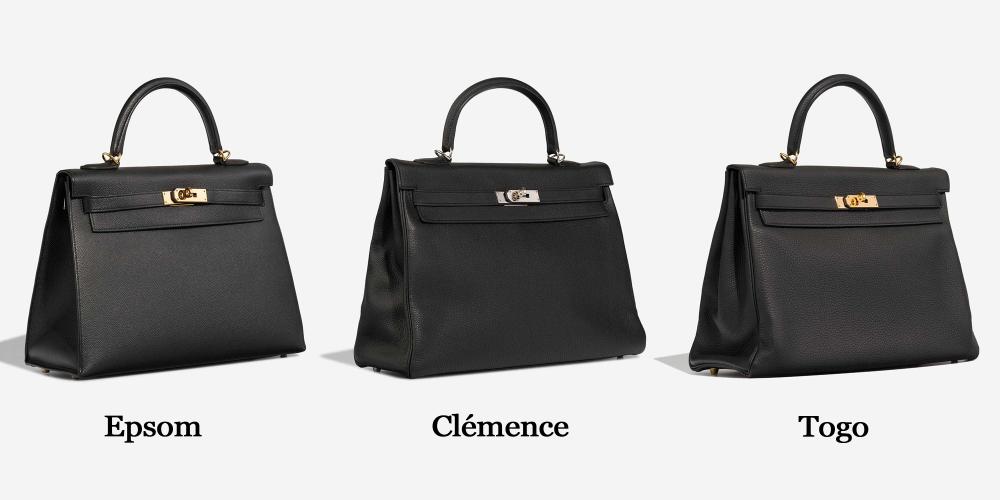
The same silhouette can feel dramatically different depending on leather.
For example:
- In a rigid leather, a structured bag looks sharp and architectural.
- In a softer leather, that same bag looks relaxed and approachable.
- In a delicate smooth leather, it may look refined but show wear quickly.
- In a pebbled leather, it may look slightly more casual but handle daily life better.
Leather affects:
- Scratch visibility
- Weight
- Slouch over time
- Resistance to humidity
- Ease of maintenance
- Long-term resale stability
- How formal or casual the bag appears
For Hermes leather for beginners, this is the part that matters most. A first bag should support your life, not complicate it.
Step One: Start With Your Real Lifestyle, Not Your Dream One
Before you compare leather types, pause and look at your week honestly.
Picture a Typical Week
On Monday morning, where does your bag go ?
On Saturday afternoon, what surfaces does it touch?
On vacation, how do you carry it?
These small details matter more than trends.
Daily Commuter
If you commute five days a week, your bag will experience:
- Public transport friction
- Office desk edges
- Car seats
- Weather changes
- Being set down quickly
You need durability and structure.
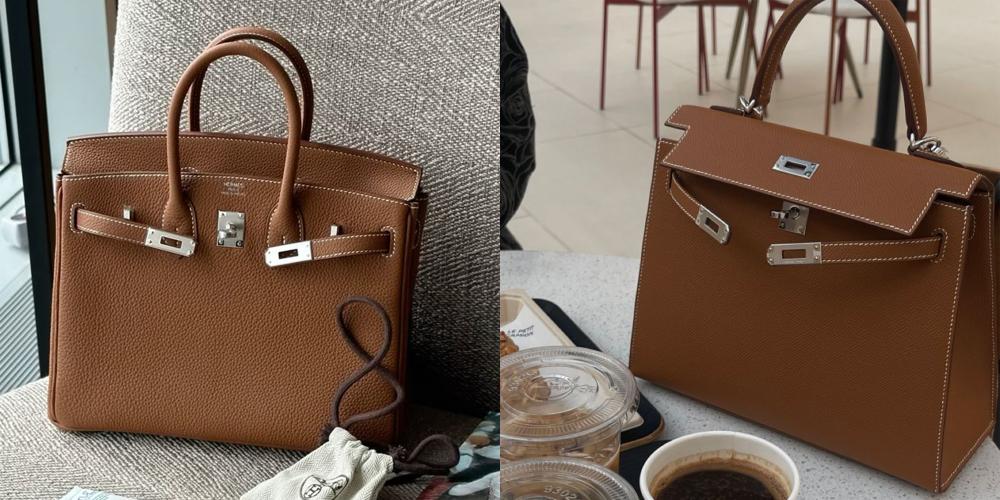
A textured leather such as Togo or Epsom will absorb daily wear more gracefully than a smooth finish. If your bag brushes against a door frame or rests on a café chair, you do not want to feel anxious every time.
Work-From-Home Professional
If you work from home and use your bag mainly for meetings, dinners, or light outings, you have more flexibility. You may not need maximum scratch resistance. You might prioritize feel and aesthetic instead.
In this case, Clemence or even certain smoother leathers can be reasonable choices because the bag’s exposure is limited.
Parent With Young Children
This is where realism matters most.
Children move quickly. Snacks spill. Bags get set down wherever space exists. You may find yourself juggling keys, a phone, wipes, and a water bottle at the same time.
For this lifestyle, low-maintenance leather reduces stress. Togo and Epsom are strong candidates because they resist scratches and keep their shape even when handled often.
Minimalist Who Rotates Bags
If you already own multiple bags and plan to rotate them, your first Hermes piece does not need to do everything. You might prioritize texture, softness, or aesthetic impact instead of maximum durability.
Be honest with yourself. The best first Hermes bag leather is the one that fits your current routine, not an imagined future version of yourself.
Step Two: Climate Is Not a Small Detail
Climate shapes how leather behaves over years.
Humid or Rainy Regions
If you live somewhere humid or frequently rainy, textured leathers are generally more forgiving. They tend to show fewer water spots and surface irregularities.
Imagine walking from your office to your car in unexpected drizzle. A highly textured leather is less likely to show subtle changes than a smooth one.
Epsom, with its embossed grain, performs particularly well in these situations.
Dry and Hot Climates
In very dry climates, leather can feel stiffer over time if not conditioned properly. Softer leathers like Clemence can still perform well, but occasional care becomes important.
If you travel frequently between climates, durability and consistency should guide your decision.
Four-Season Cities
If you experience heat, snow, humidity, and dry winter air, versatility becomes essential.
Choosing Hermes bag leather that can tolerate varied conditions gives you peace of mind. For most beginners in mixed climates, textured leather is simply easier.
If you want to know more about Hermès, visit our Hermès blog.
Step Three: Define Your Personal Style in Clear Terms
Now that practicality is covered, let us talk about aesthetic alignment.
Ask yourself:
- Do I like crisp tailoring or relaxed silhouettes?
- Do I gravitate toward structured blazers or oversized knits?
- Do I prefer minimal jewelry or statement pieces?
- Does my wardrobe lean formal, casual, or balanced?
Leather amplifies your style language.
Structured Style
If you love clean lines, tailored trousers, and sharp outerwear, you may appreciate Epsom’s firmness or Togo’s moderate structure.
A structured leather reinforces polish. It holds edges clearly and maintains form when set down.
Relaxed Style
If you prefer fluid fabrics, oversized coats, flats, and soft layers, Clemence may feel more natural. Its slouch adds warmth and approachability.
Quiet Luxury or Understated Dressing
If you dress in neutrals and subtle silhouettes, texture matters. Togo offers dimension without shine. Clemence feels soft and discreet. Epsom reads refined and crisp.
Your leather choice should not fight your wardrobe. It should feel like a seamless extension.
Detailed Breakdown of Beginner-Friendly Hermes Leathers
Let us look closely at the three most recommended options for Hermes leather for beginners.
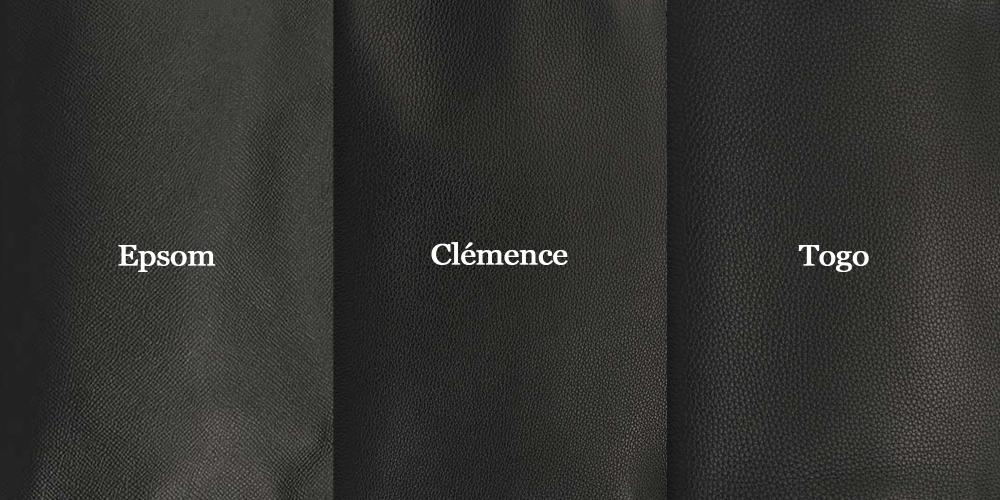
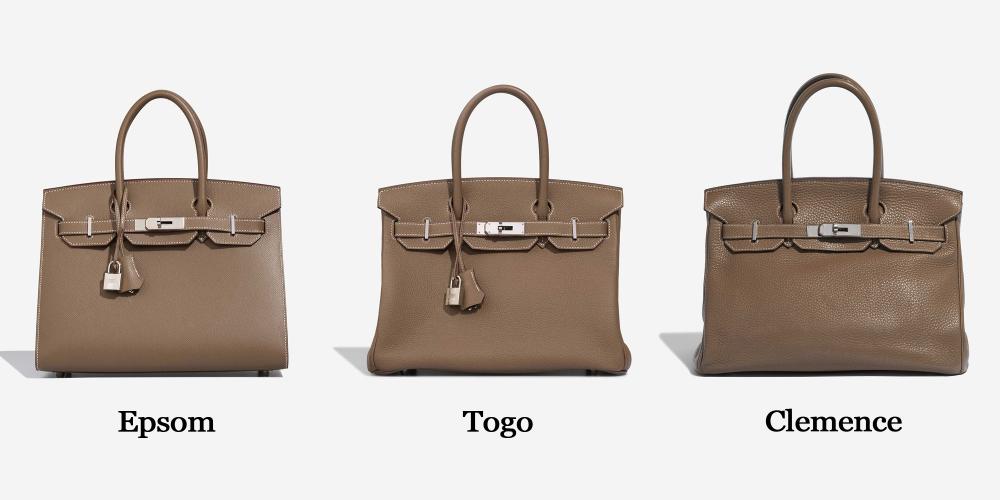
Togo Leather
Togo is often considered the safest and most versatile first choice.
Texture: Fine, raised grain
Structure: Moderately structured
Weight: Medium
Scratch Resistance: High
Togo feels balanced. It is not too rigid and not too soft. It resists scratches well, which makes it forgiving during daily use. Over time, it softens slightly but does not collapse dramatically.
In practical terms, this means:
- It can go from office to dinner easily.
- It does not feel overly delicate.
- It retains shape even after years of regular use.
If someone asks for the best first Hermes bag leather without additional context, Togo is often the answer because it performs well across many lifestyles.
Clemence Leather
Clemence feels noticeably softer.
Texture: Larger, flatter grain
Structure: Relaxed
Weight: Slightly heavier
Scratch Resistance: Good
When you touch Clemence, it feels supple and luxurious. Over time, it becomes slouchier, especially in larger sizes.
This gives the bag personality. Some people love the lived-in look. Others prefer structure and may find the softening surprising.
Clemence works beautifully for:
- Casual wardrobes
- Weekend use
- Those who prefer comfort over rigidity
It is still durable, but it reads less formal than Togo or Epsom.
Epsom Leather
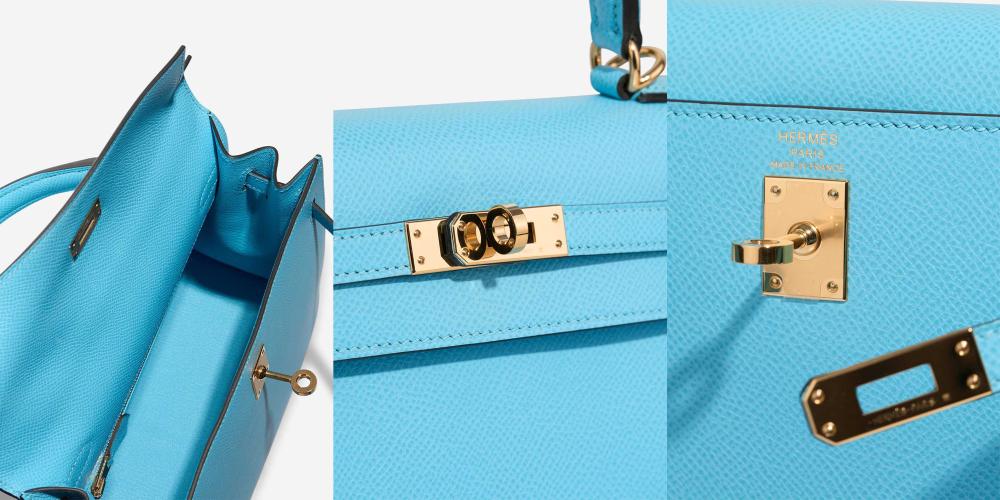
Epsom is embossed and structured.
Texture: Fine, stamped grain
Structure: Rigid
Weight: Lightweight
Scratch Resistance: Very high
Epsom maintains crisp lines. It feels lighter than Clemence, which can be noticeable in medium or large bags.
It is ideal if:
- You want your bag to look structured at all times
- You carry heavier items and want less added weight
- You prefer a polished, almost architectural look
Some people find Epsom slightly less soft to the touch. That is not a flaw. It is simply a matter of tactile preference.
Smooth Leathers: Elegant but More Demanding
Smooth leathers such as Box Calf or Swift offer refined beauty. They often have a subtle sheen and feel extremely smooth.
However, they:
- Show scratches more easily
- Develop visible patina
- Require more attentive care
For a beginner, these can be rewarding if you appreciate aging as part of the story. But if you want minimal stress, textured options are usually better.
Weight and Size: A Combination That Matters
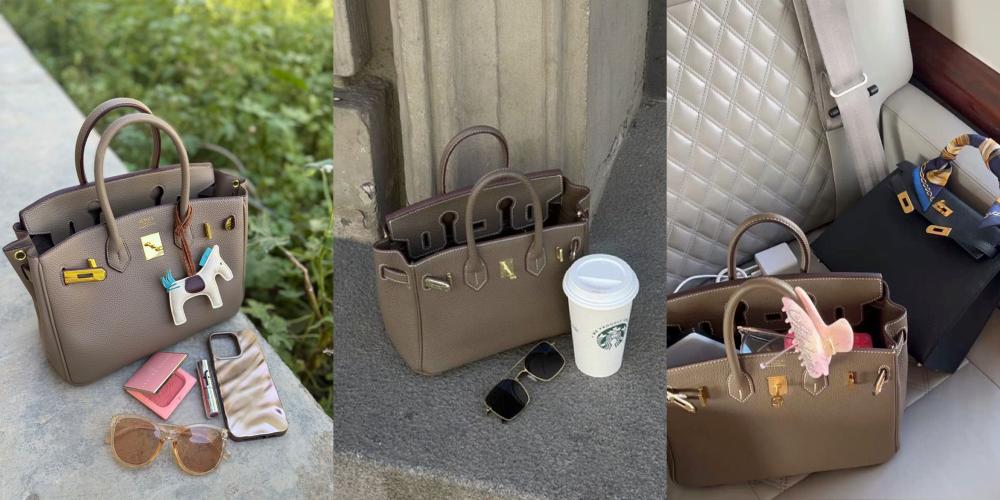
Leather weight becomes more noticeable in larger sizes.
For example:
- A medium bag in Clemence may feel heavier than the same size in Epsom.
- If you carry a laptop, planner, and water bottle, even small differences add up.
If you are sensitive to shoulder or arm strain, lightweight leather like Epsom deserves serious consideration.
When choosing Hermes bag leather, imagine it fully packed. Not empty in the boutique. Fully packed on a long day.
If you want to know more about Hermès fashion, you can visit our Hermès blog.
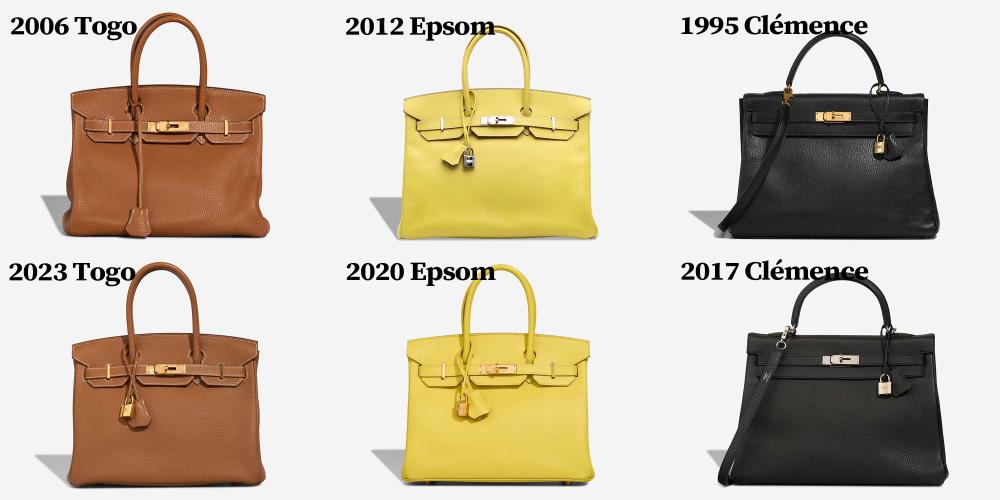
How Each Leather Ages Over Five Years
Thinking long term reduces regret.
Togo After Years of Use
Togo softens slightly but keeps its grain definition. It remains structured enough for work settings. Minor scratches tend to blend into the texture.
Clemence After Years of Use
Clemence becomes more relaxed. Corners may round gently. The bag may feel more casual. Many owners love this evolution.
Epsom After Years of Use
Epsom largely retains its shape. It resists sagging. The embossed grain stays consistent. It often looks newer for longer.
Ask yourself which aging story you prefer. Structured stability or gradual softness?
Common First-Time Buyer Doubts
What If I Choose Wrong?
There is no universally wrong choice among beginner-friendly leathers. Regret usually comes from misalignment with lifestyle, not from leather quality.
Should I Follow Popular Opinion?
Popularity reflects versatility, not personal fit. Togo is popular because it works for many people. That does not automatically mean it works best for you.
Is It Worth Prioritizing Resale Value?
If resale matters to you, structured and durable leathers often hold appeal. But your first purchase should focus on use, not resale alone.
A Clear and Practical Decision Framework
If you feel stuck, simplify:
1. Will this be my primary daily bag?
- Yes → Togo or Epsom
- No → Continue
2. Do I prefer a firm silhouette?
- Yes → Epsom
- Somewhat → Togo
- No → Clemence
3. Do I want minimal visible aging?
- Yes → Epsom
- Moderate → Togo
- I enjoy patina → Clemence or smooth leathers
Clarity often comes from narrowing variables.
The Emotional Weight of a First Purchase
Your first Hermes bag marks something. A milestone. A reward. A long-term goal realized.
That emotional layer can make decision-making feel heavier than it needs to be.
Try this:
Let emotion guide your color and hardware.
Let practicality guide your leather.
When those two align, satisfaction lasts far longer than initial excitement.
Final Thoughts: Choose for Use, Not Fear
The best first Hermes bag leather is the one you will actually carry.
If you want balance and reliability, Togo is a strong starting point.
If you want crisp structure and lighter weight, Epsom makes sense.
If you want softness and a relaxed feel, Clemence offers warmth and ease.
There is no perfect universal answer. There is only alignment.
When your leather fits your lifestyle, climate, and personal style, your bag becomes part of your routine instead of something you hesitate to touch.
And for a first purchase, that confidence matters more than anything.