Worldwide tracked delivery · Carefully selected quality · Personal order support

How Replica Culture Keeps Iconic Bag Designs in the Conversation
Aug 13, 2026
By
0 comment(s)
Iconic handbags enter replica culture because their influence is built from more than a visible logo. A distinctive silhouette, balanced proportions, recognizable structure, familiar carry method, and years of visibility can make a design understandable at a glance. Replica communities bring those visual ideas into a broader conversation, where shoppers encounter them through different budgets, priorities, and personal tastes. That wider circulation does not make every version equivalent. It shows that a strong design language can travel across social media, resale platforms, fashion discussions, and everyday wardrobes while continuing to invite questions about function, access, identity, and trust.
Recognition Creates a Shared Design Language
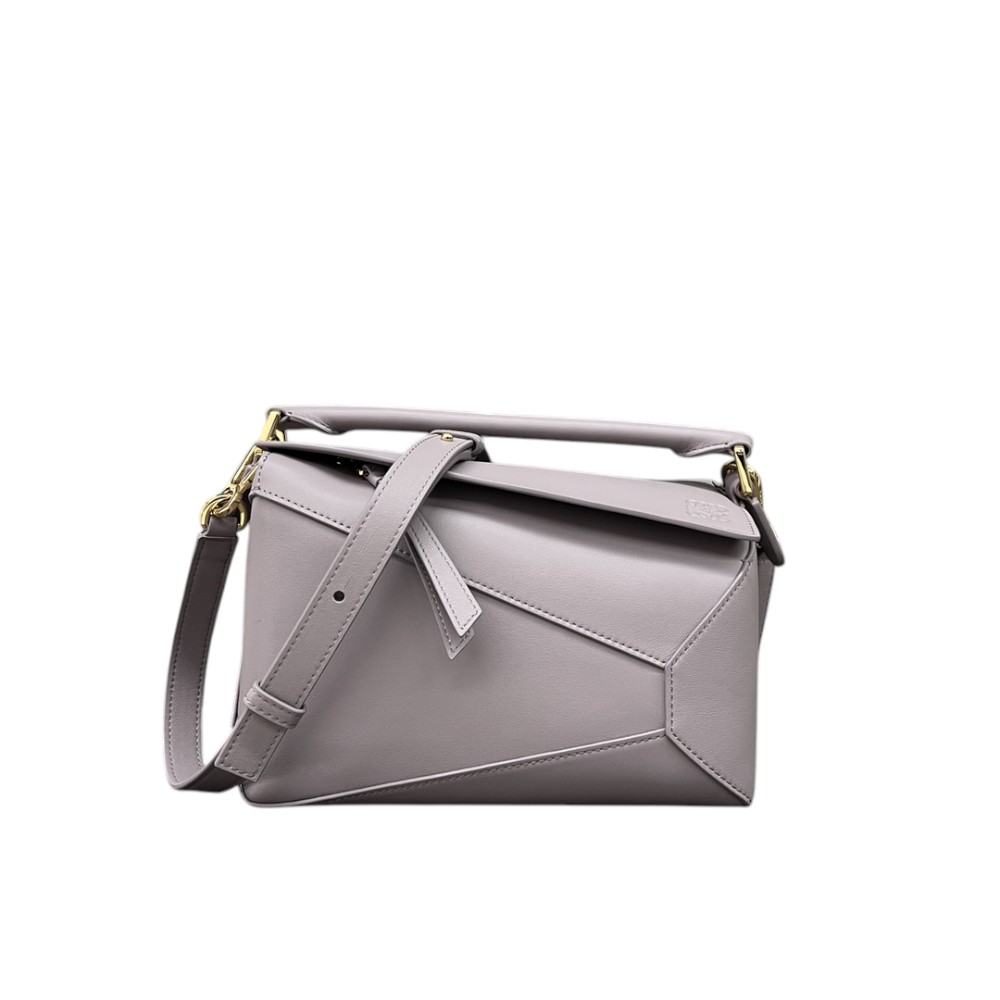
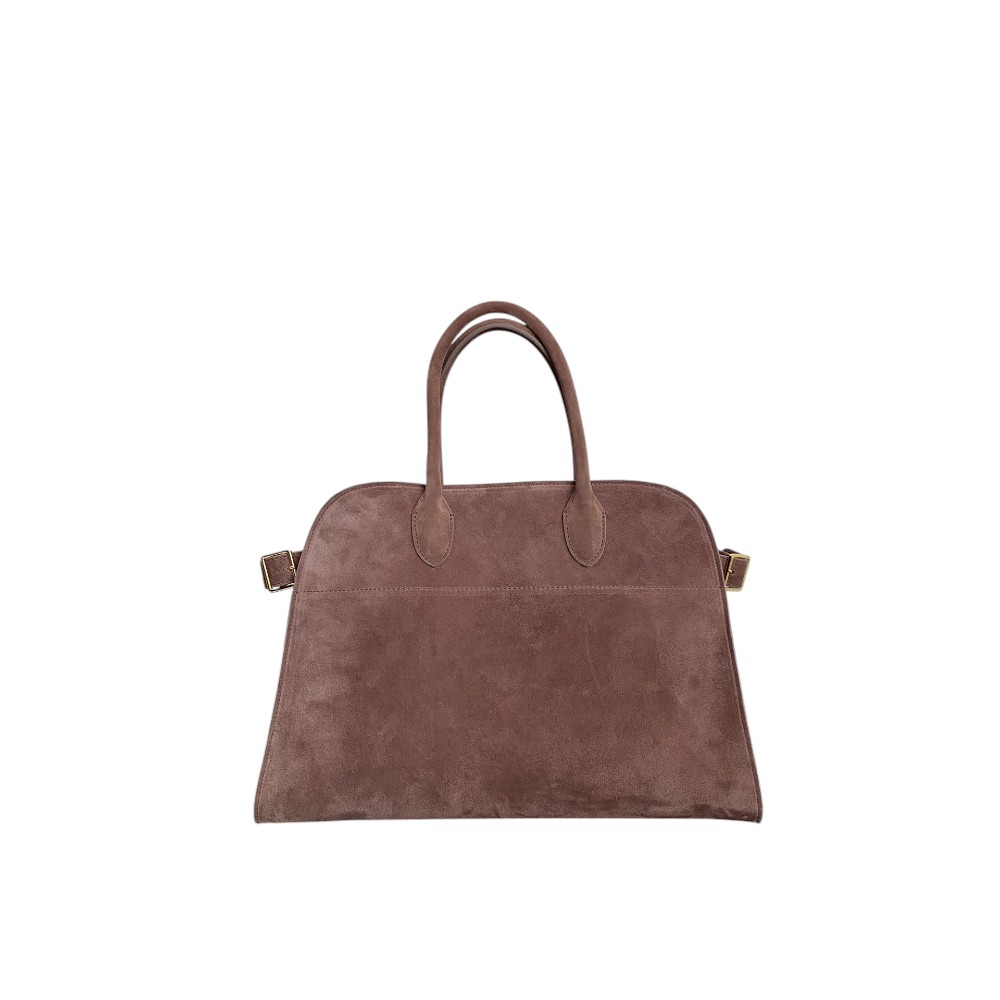
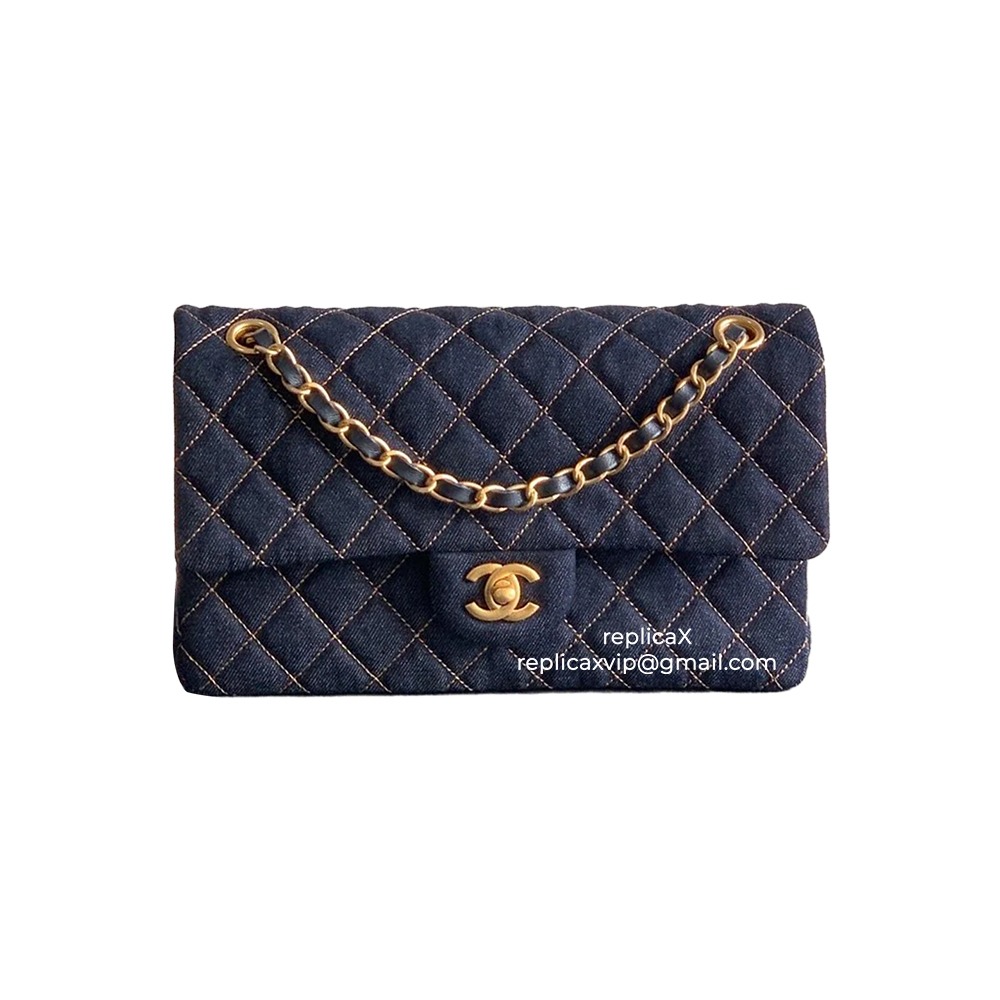
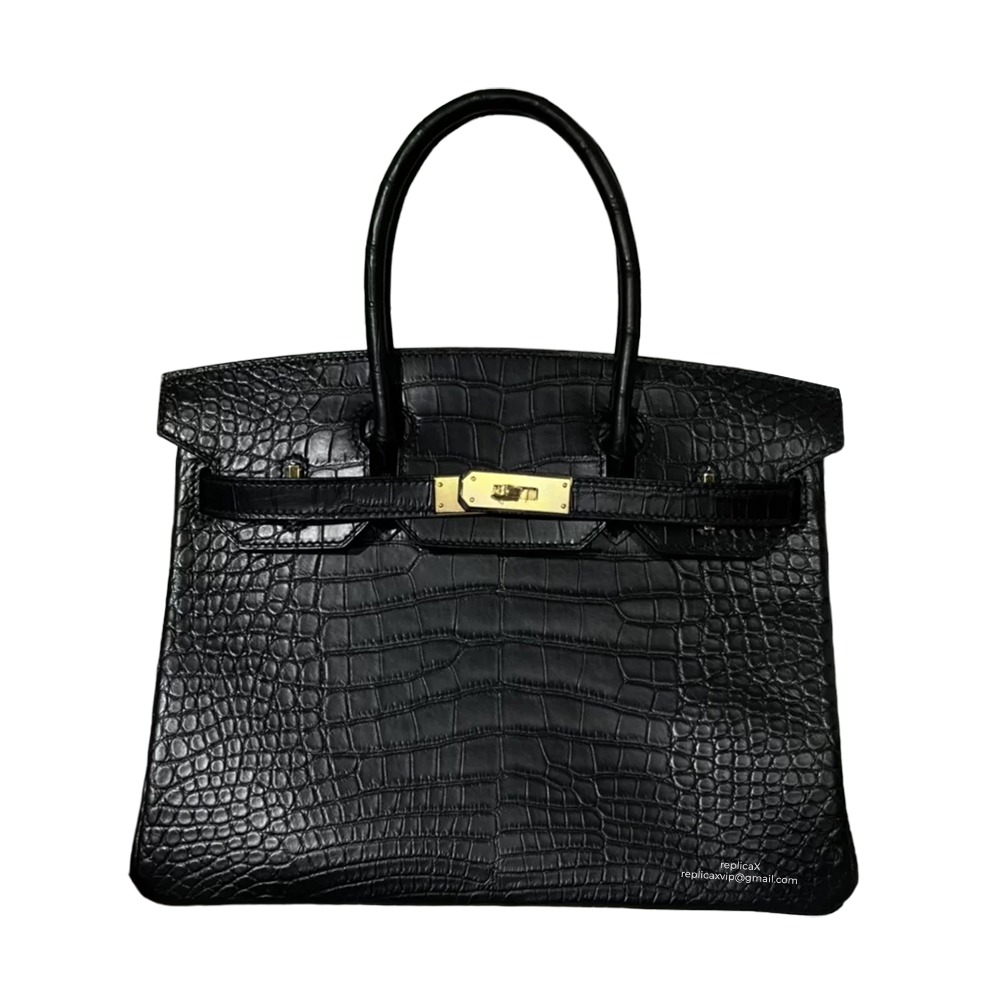
Some bags communicate their identity through proportion before branding enters the picture. The Birkin has upright proportions and a strong top-handle presence; the Loewe Puzzle is defined by geometric panel divisions; the Chanel Flap brings a structured rectangular form; the Margaux uses relaxed volume; and a Louis Vuitton bumbag follows the body in a hands-free format. These are general design observations, not claims that the models serve the same purpose. Together, they explain how fashion develops a shared visual language. Once a silhouette becomes familiar, people can understand the reference without first searching for a logo. That recognition gives replica culture a clear vocabulary for comparing how shape, structure, and carrying style influence the character of a bag.
Access Changes How Iconic Shapes Circulate
Replica communities broaden exposure to designs that might otherwise remain distant reference points. Social media images, resale listings, fashion commentary, and bags seen in daily life all add to that visibility, allowing a recognizable shape to circulate across more wardrobes and conversations. People participate for different reasons: one shopper may prioritize budget, another may be exploring a silhouette before committing to a category, while someone else may simply enjoy the styling possibilities. Access is therefore one factor among several, not a universal explanation of motivation. When more people can discuss and interpret an iconic design, its cultural reach expands. Browsing a varied multi-brand handbag selection also makes those contrasts easier to see outside a narrow retail setting.
Shoppers Look Beyond the Logo
A familiar outline may attract attention, but practical details often determine whether a bag suits everyday life. Shoppers compare capacity, the ease of the opening, and whether the body feels structured or relaxed. They consider hand carry, shoulder carry, and crossbody options without assuming every strap works for every person. They also ask whether the shape complements the clothes they actually wear. In replica culture, accurate product images and clear information are especially important because buyers need to understand the specific item being offered, not only the design reference behind it. The verified Margaux 15 product page illustrates why precise model naming and consistent photos help build trust without promising authentication or an experience that cannot be verified.
Reinterpretation Keeps Design Relevant
Changes in size, color, structure, and carrying method can give a familiar idea a different role. A compact interpretation may suit an edited routine, while a larger or softer version can shift the emphasis toward capacity or ease. A shoulder-focused design creates a different experience from a top-handle form, even when both participate in the same broad aesthetic conversation. Reinterpretation does not mean that every version is interchangeable, and recognition alone does not decide what is useful. Different shoppers weigh personal style, wardrobe fit, access, and daily needs in their own ways. ReplicaX's guide to supple and structured bag construction offers useful context for why familiar shapes can feel different in use.
Replica culture reflects more than widespread recognition of a logo. It shows that certain silhouettes and design ideas have entered a larger fashion conversation, where access, identity, and practical choice all matter. The most useful decision therefore considers recognition alongside capacity, carrying comfort, personal style, and the quality of the information provided. Clear, trustworthy product details help shoppers choose the interpretation that makes sense for their own wardrobe and routine.